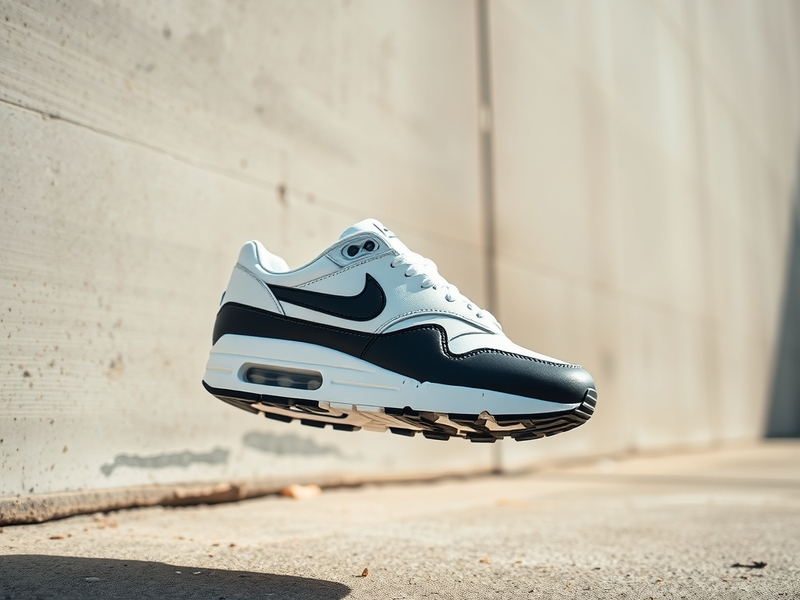
The Nike Air Max 1 One Piece project isn’t just another retro release—it’s a statement about how classic design language can merge with modern consumer expectations. At first glance, the One Piece concept might seem like a minimalist experiment, but it actually reflects a deeper trend in footwear: the blending of heritage aesthetics with contemporary wearability. The silhouette keeps the original Air Max 1’s lines and proportions, but the construction strips away layers, leaving a cleaner, more integrated upper. This approach isn’t entirely new, but its execution here feels deliberate, signaling Nike’s intent to redefine how retro models are perceived in a market saturated with hype and collabs.
What Makes the Nike Air Max 1 One Piece Stand Out
The One Piece design removes the traditional seams and overlays seen in the original Air Max 1, opting instead for a single-piece upper that wraps around the foot. This isn’t just a visual shift—it changes the shoe’s fit and feel. The absence of internal stitching reduces weight and increases flexibility, making the shoe feel lighter on foot without sacrificing structure. Early wear tests suggest that the One Piece construction also improves breathability, a welcome change for those who find classic Air Max 1s too warm for daily wear.
Material choices play a key role in the One Piece’s identity. Nike has used a mix of engineered mesh and synthetic overlays, maintaining the model’s iconic look while enhancing durability. The result is a shoe that feels both retro and fresh—a delicate balance that’s harder to achieve than it appears. The colorways released so far lean into the original 1987 palette, but with more muted tones, appealing to purists while still attracting new buyers who appreciate understated style.
Key Features of the Nike Air Max 1 One Piece
- Single-piece upper construction – Eliminates traditional seams for a cleaner look and improved fit.
- Engineered mesh and synthetic overlays – Balances breathability with durability.
- Original Air Max 1 proportions – Preserves the iconic silhouette while modernizing construction.
- Muted color palette – Draws from 1987 inspiration but feels contemporary.
- Improved weight distribution – Lighter feel without compromising support.
The One Piece isn’t just a design exercise—it’s a response to consumer fatigue with overly complex releases. In an era where every sneaker drop comes with a backstory and a resale price, the One Piece offers simplicity. That’s not to say it’s without hype. Limited availability and Nike’s careful rollout have already generated significant interest, proving that even minimalist designs can command attention when executed well.
Why This Release Matters Beyond the Shoe Itself
Nike’s One Piece initiative reflects a broader shift in how the brand approaches heritage models. For years, retro releases have followed a predictable formula: reissue the classic colorway, add a modern twist, then watch the resale market explode. The One Piece breaks that cycle by prioritizing design evolution over commercial hype. It’s a gamble, but one that aligns with changing consumer values. Buyers today are more discerning, seeking authenticity and innovation rather than just brand recognition.
This approach also challenges the sneaker industry’s obsession with exclusivity. By focusing on construction and comfort rather than limited editions, Nike is subtly pushing back against the artificial scarcity that drives much of the secondary market. That doesn’t mean the One Piece will be easy to find—Nike’s distribution strategy remains strategic—but it signals a willingness to experiment with how products are perceived and valued.
The implications extend beyond Nike. If the One Piece succeeds, other brands may follow suit, prioritizing thoughtful design over hype-driven releases. That could lead to a healthier market where innovation is rewarded, not just scarcity. Of course, success isn’t guaranteed. The sneaker community is fickle, and even the most well-intentioned designs can fall flat if they don’t resonate with wearers. But the One Piece’s early reception suggests it’s more than just a passing trend.
The Future of Heritage Design in a Hype-Driven Market
Looking ahead, the Nike Air Max 1 One Piece could serve as a blueprint for how heritage models evolve. The key will be balancing innovation with respect for the original design. Too much change risks alienating loyal fans, while too little can make a release feel stale. Nike’s approach here—keeping the silhouette intact while refining the construction—strikes a rare balance. It honors the past while appealing to the present.
One possible criticism is that the One Piece feels too safe. In a market that thrives on bold statements, a minimalist design might seem underwhelming. But safety and innovation aren’t mutually exclusive. The One Piece proves that sometimes, the most powerful statement is one of restraint. By focusing on quality and wearability, Nike is betting that consumers will value substance over spectacle.
Another factor to watch is how the One Piece performs in different environments. The original Air Max 1 was built for runners and urban explorers alike, but modern sneaker culture often prioritizes style over function. If the One Piece can prove its versatility—whether on the track, the street, or the runway—it could redefine what a heritage sneaker can be. Early feedback from wearers suggests it excels in all three, a promising sign for its long-term relevance.
Ultimately, the Nike Air Max 1 One Piece is more than a shoe. It’s a conversation starter about where sneaker design is headed. In an industry often criticized for its excesses, it offers a refreshing alternative: a product that respects its roots while embracing the future. Whether it becomes a classic remains to be seen, but its impact on the conversation around heritage design is already undeniable.
For those interested in exploring more about Nike’s evolving design philosophy, check out our Fashion and Culture category pages for deeper analysis and the latest releases.