When Racing Santander and Elche faced off last weekend, the Segunda División clash delivered more than just points—it showcased tactical discipline, individual brilliance, and the unpredictable nature of lower-league football. The 2-1 victory for Racing Santander marked their third consecutive win, a streak that has quietly pushed them into the playoff picture. Meanwhile, Elche’s defensive frailties and lack of cutting edge up front were exposed once again, raising questions about their long-term ambitions in the division.
The tactical battle: pressing vs possession
Racing Santander manager Javi Rozada set his team up in a compact 4-4-2, prioritizing quick transitions and high pressing. Elche, under the recently appointed Paco López, adopted a more patient 4-3-3, attempting to build from the back. The difference in approach became evident within the first 15 minutes. Elche’s centre-backs, particularly Pol Lirola, struggled to advance the ball under pressure, often forced into hopeful long balls that Racing’s midfield duo—Mario Ortiz and David Carmona—readily intercepted.
Racing’s pressing intensity was led by forward Borja Bastón, whose relentless movement forced Elche’s defenders into errors. When Elche did manage to play out from the back, Racing’s midfielders dropped into a mid-block, cutting passing lanes and forcing Elche wide. This tactical discipline paid dividends when Bastón capitalized on a loose ball in the box after Elche’s goalkeeper, Édgar Badía, spilled a straightforward catch.
Elche’s possession statistics (58%) masked their lack of penetration. Their wingers, primarily goalscoring target Tete Morente, found it difficult to influence play against Racing’s disciplined full-backs. López’s side managed just two shots on target all game, a stark contrast to Racing’s five. The visitors’ best chance came late through veteran striker Lucas Boyé, whose header rattled the crossbar, underlining their attacking limitations.
Key moments that decided the match
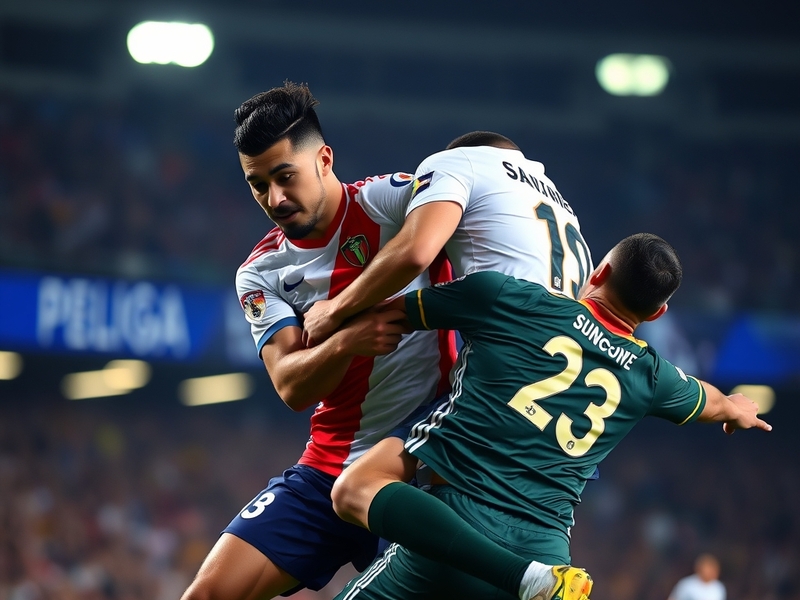
The game turned on two moments of individual quality. First, Racing’s opener arrived in the 34th minute when Borja Bastón pounced on a defensive miscommunication between Lirola and Badía. Seconds later, Elche’s frustration boiled over as midfielder Óscar Plano received a second yellow card for a reckless challenge on Carmona, reducing them to 10 men. The red card effectively ended the contest, though Elche’s poor finishing meant they never truly threatened.
A breakdown of the decisive phases:
- 1-0 Racing Santander (34’): Bastón capitalizes on defensive chaos after a goal kick. Elche’s high line is exposed.
- 2-0 Racing Santander (45+2’): Penalty awarded after Badía fouls substitute Kuki Zalazar. Bastón converts from the spot.
- 2-1 Elche (87’)
: Late consolation from substitute Lucas Boyé, but too little, too late.
The refereeing decisions also sparked post-match debate. Plano’s second booking was harsh by some accounts, while Racing’s penalty claim for a handball by Enric Gallego went unnoticed. VAR confirmed the penalty for the foul on Zalazar, but replays suggested contact was minimal. Elche’s protests fell on deaf ears, further highlighting the frustration within their camp.
Racing’s resurgence and Elche’s stagnation
For Racing Santander, this result is part of a broader resurgence. After a shaky start to the season, Rozada’s side has found form through a mix of youth development and astute signings. Central midfielder Mario Ortiz, a product of Racing’s academy, has been instrumental in both defense and attack. His partnership with David Carmona in the double pivot has allowed Racing to control games through possession while remaining compact defensively.
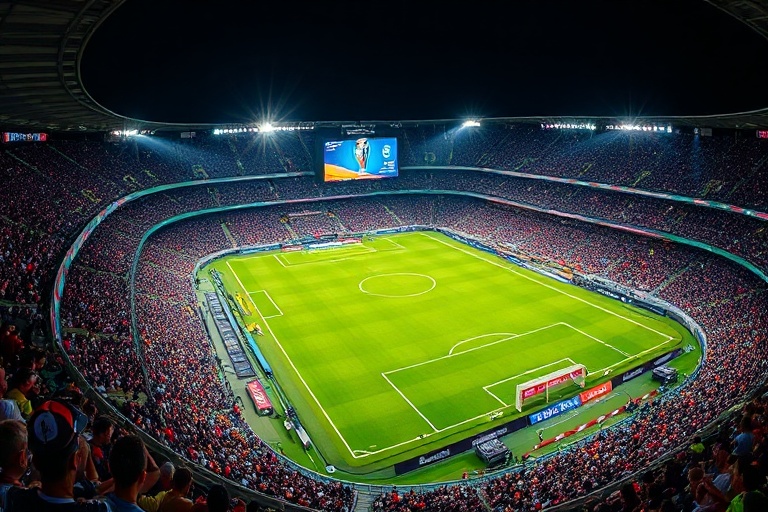
The club’s financial situation has improved under new ownership, enabling them to retain key players and attract experienced professionals like centre-back Iñigo Martínez. Their stadium, El Sardinero, has once again become a fortress, with the home crowd providing vocal support. If they maintain this form, a playoff spot is within reach.
Elche, on the other hand, continue to underachieve despite their financial muscle. Their squad, one of the most expensive in the division, has consistently underperformed. Issues in recruitment and a lack of clear tactical identity have plagued López’s tenure. Their recent dip in form has seen them drop out of the promotion zone, raising concerns among their fanbase.
The contrast between the two clubs is stark. While Racing Santander is punching above its weight with a sustainable model, Elche’s reliance on big-money signings without tactical cohesion has backfired. Their next few fixtures against direct rivals like Levante and Eibar will be critical in determining their playoff hopes.
What’s next for both teams?
Racing Santander face a tricky trip to Real Oviedo next weekend, a side known for their resilience. A draw would still keep them in the playoff hunt, but a loss could see them slip out of the top six. Their focus remains on consistency rather than chasing headlines.
Elche, meanwhile, must regroup quickly. Their next match against Racing Ferrol presents an opportunity to regain momentum, but their attack must improve. Loan signing Tete Morente has struggled to replicate his form from previous seasons, and the lack of a reliable striker has become a growing concern. López may need to reconsider his tactics if results don’t improve.
Both clubs will also be keeping an eye on the top flight, where their former players continue to make an impact. Racing’s Bastón, a product of Real Madrid’s youth system, has been linked with moves back to La Liga, while Elche’s former star, Fidel Chaves, recently scored for Almería in a crucial derby. The Segunda División often serves as a proving ground for talent destined for greater things.
As the season reaches its halfway point, the Racing Santander vs Elche clash was more than just a game—it was a microcosm of the division’s unpredictability. For Racing, it’s another step toward establishing themselves as serious contenders. For Elche, it’s another reminder that talent alone isn’t enough without structure and execution.