Understanding the Strait of Hormuz and Its Alternatives
The Strait of Hormuz is a vital waterway that connects the Persian Gulf with the Gulf of Oman. It plays a crucial role in global oil transportation, with a significant percentage of the world’s oil passing through this narrow passage. However, geopolitical tensions in the region have led to discussions about potential alternatives and strategies to ensure the stability of energy supplies. Amidst this backdrop, former President Donald Trump’s policies and rhetoric regarding the Strait have sparked considerable interest and analysis.
The Importance of the Strait of Hormuz
The Strait of Hormuz is often described as one of the most strategic chokepoints in the world. Approximately 20% of the global oil supply transits through this narrow channel. The implications of any disruption in this area can be profound, affecting oil prices and economic stability worldwide. The stakes are particularly high for countries reliant on oil imports, as well as for oil-producing nations that depend on the Strait for exports.
Factors contributing to the Strait’s significance include:
- Geopolitical tensions involving Iran, the United States, and neighboring countries.
- Military presence and naval operations from various nations, including the U.S. Navy.
- The vulnerability of oil tankers to piracy and regional conflicts.
Trump’s Approach to the Strait of Hormuz
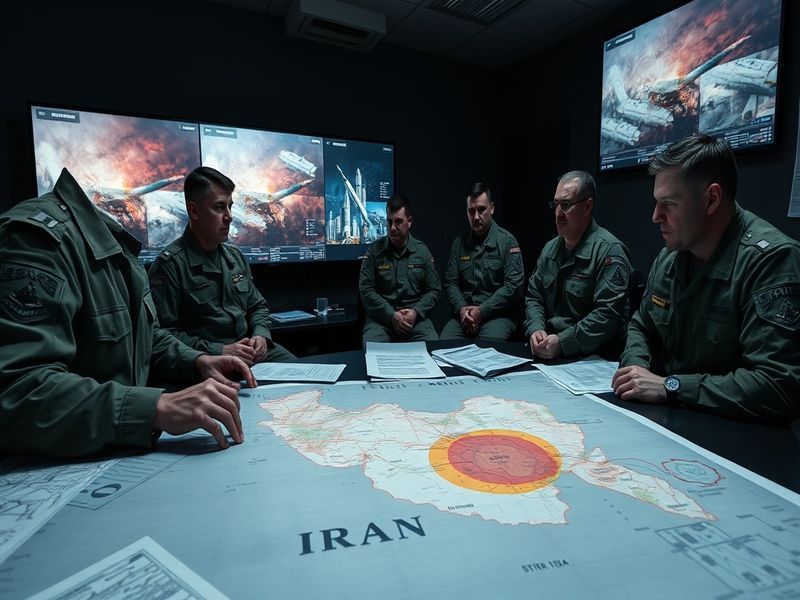
During his presidency, Donald Trump took a hardline stance on Iran, which directly impacted the dynamics surrounding the Strait of Hormuz. His administration’s withdrawal from the Iran nuclear deal in 2018 escalated tensions, leading to fears of potential military confrontations. Trump’s rhetoric often emphasized the need for a strong military presence in the region to deter Iranian aggression and protect vital shipping lanes.
Trump’s policies included:
- Strengthening alliances with Gulf states like Saudi Arabia and the UAE.
- Increasing military deployments in the region to safeguard oil transportation.
- Imposing economic sanctions on Iran to curb its influence and military capabilities.
These strategies were aimed at ensuring that the Strait remained open for shipping traffic, thereby stabilizing oil markets and securing energy supplies for allied nations.
Exploring Alternatives to the Strait of Hormuz
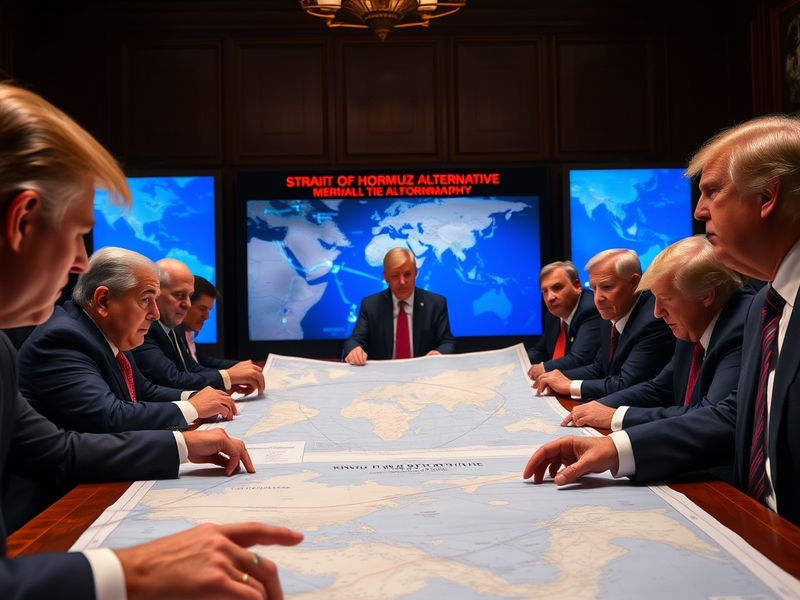
Given the strategic importance of the Strait of Hormuz, exploring alternatives has become increasingly relevant. Several potential routes and methods could mitigate the risks associated with reliance on this waterway. These alternatives include:
- Transcontinental Pipelines: Projects such as the East-West Pipeline in Iraq and the TAPI pipeline (Turkmenistan-Afghanistan-Pakistan-India) could provide routes that bypass the Strait.
- Increased Shipping Through the Red Sea: Expanding the use of the Bab el-Mandeb Strait could serve as an alternative route for oil tankers.
- Maritime Security Enhancements: Investing in naval capabilities and international coalitions to ensure safe passage through the Strait could diminish the need for alternatives.
While these alternatives present viable options, they also come with their own set of challenges and complexities. For instance, the construction of new pipelines requires significant investment and cooperation among nations, which can be difficult to achieve in a politically fragmented region.
The Future of Energy Transportation
As global energy demands continue to evolve, the importance of securing reliable transportation routes cannot be overstated. The situation surrounding the Strait of Hormuz remains fluid, with ongoing geopolitical developments impacting the landscape. It is essential for policymakers to consider a multifaceted approach that encompasses military, economic, and diplomatic strategies.
Moreover, the transition to renewable energy sources may eventually reduce the dependency on oil transported through the Strait. However, in the short to medium term, the Strait of Hormuz will likely remain a focal point of international energy discussions and strategies. The ability of nations to adapt to changing circumstances and explore alternatives will play a crucial role in ensuring energy security.
In conclusion, the Strait of Hormuz is a pivotal element in global energy transportation, and Donald Trump’s policies have highlighted its significance. As the world seeks alternatives to this vital waterway, the interplay of politics, economics, and energy demands will shape the future of oil transportation. For more insights into the intersection of politics and energy, visit our Politics and Business sections.