Understanding El Niño: A Global Climate Phenomenon
El Niño is a complex climatic pattern that occurs in the Pacific Ocean, characterized by the periodic warming of sea surface temperatures. This phenomenon significantly impacts weather patterns across the globe, influencing everything from monsoons in Asia to droughts in South America. Understanding El Niño involves looking at its causes, effects, and the cultural implications it has on various regions.
What Causes El Niño?
El Niño is part of a broader climate pattern known as the El Niño-Southern Oscillation (ENSO). This oscillation consists of three phases: El Niño, La Niña, and the neutral phase. The onset of El Niño typically occurs every 2 to 7 years and lasts for several months. The primary causes include:
- Weakened trade winds that usually blow from east to west across the Pacific.
- Changes in ocean temperatures, which can lead to warmer waters accumulating in the eastern Pacific.
- Shifts in atmospheric pressure, particularly the Southern Oscillation, which affects weather patterns globally.
These factors collectively contribute to the warming of the ocean surface, which can lead to significant changes in weather and climate conditions worldwide.
Global Impacts of El Niño
The effects of El Niño are felt around the world, with varying consequences depending on the region. Some of the most notable impacts include:
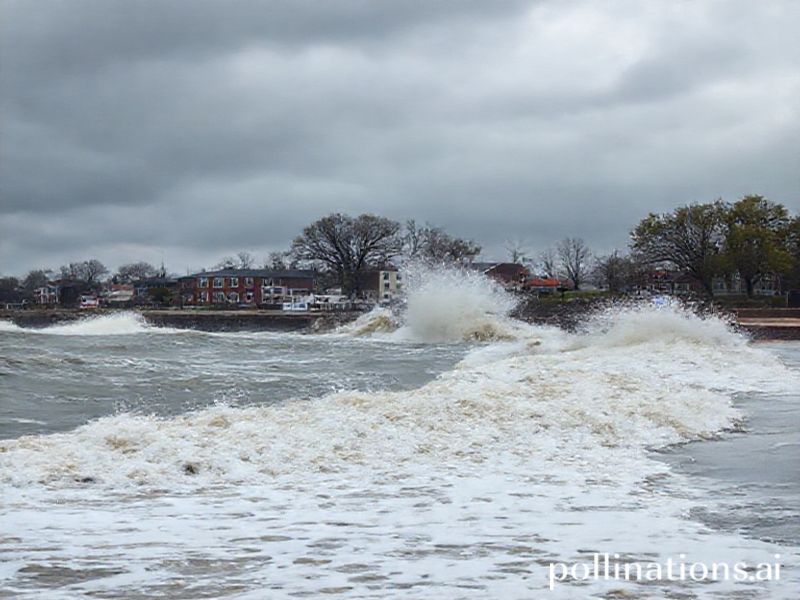
- Increased rainfall: Regions like the western coasts of North and South America often experience heightened rainfall, leading to flooding and landslides.
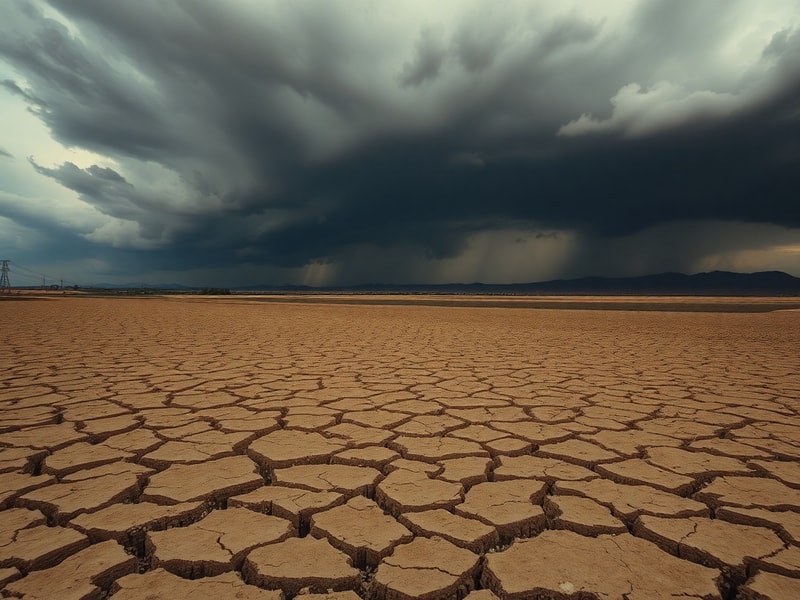
- Drought conditions: Conversely, areas such as Australia and parts of Southeast Asia may face severe droughts, affecting agriculture and water supply.
- Impact on marine life: The warmer ocean temperatures can disrupt marine ecosystems, leading to a decline in fish populations, which affects local economies dependent on fishing.
- Health implications: Changes in weather patterns can lead to outbreaks of diseases, such as malaria or dengue fever, as the conditions become favorable for disease-carrying mosquitoes.
These effects highlight the interconnectedness of global weather systems and the importance of understanding El Niño’s role within them.
Cultural and Economic Significance
El Niño’s impact extends beyond environmental concerns; it also carries substantial cultural and economic implications. For instance, in countries like Peru, fishing is a vital part of the economy. The fluctuations in fish stocks due to El Niño can devastate local livelihoods, leading to economic instability. Similarly, agricultural communities in Indonesia may suffer from crop failures due to prolonged droughts, affecting food security.
In many cultures, traditional practices and agricultural cycles are closely linked with climatic patterns. The unpredictability of El Niño can disrupt these cycles, leading to a loss of cultural heritage. Communities may have to adapt their farming practices, which can alter traditional ways of life.
Conclusion
El Niño is a powerful climatic phenomenon with far-reaching effects on global weather patterns, economies, and cultures. Understanding its causes and impacts is crucial for preparedness and adaptation. As climate change continues to influence weather systems, monitoring El Niño and its effects becomes increasingly important for safeguarding both the environment and the livelihoods of those affected. For more insights into related topics, you can explore our Science and Environment categories.