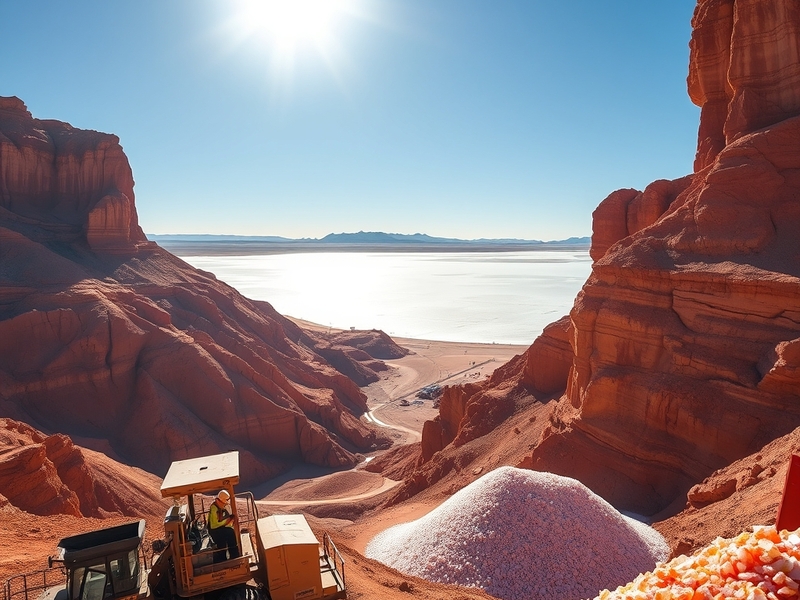
Understanding Potash: A Global Perspective
Potash, a vital mineral primarily consisting of potassium salts, plays an essential role in agriculture and various industrial applications. Its significance extends beyond mere fertilizer, impacting global food production, economic stability, and even cultural practices associated with agriculture. As populations grow and agricultural demands increase, understanding potash becomes increasingly critical.
The Role of Potash in Agriculture
Potash is primarily used as a fertilizer to enhance soil fertility and crop yields. Potassium, the key nutrient in potash, is crucial for plant health, influencing water regulation, enzyme activation, and photosynthesis. The use of potash fertilizers is particularly prominent in regions with intensive agricultural practices.
Key benefits of potash in agriculture include:
- Improved crop quality and yield
- Enhanced drought resistance
- Increased disease resistance
- Better nutrient uptake efficiency
Countries such as Canada, Russia, and Belarus are among the largest producers of potash, supplying it to global markets. The reliance on these regions highlights the geopolitical implications of potash production and distribution.
Global Production and Demand
The potash market is characterized by its concentration in a few countries, which control the majority of the world’s reserves. Canada, for instance, is home to the largest potash mines, significantly influencing global prices and supply chains. The demand for potash has been rising steadily, driven by the need to feed a growing population and the increasing adoption of intensive farming practices.
Several factors influence the global potash market:
- Population Growth: The world population is projected to reach nearly 10 billion by 2050, necessitating increased agricultural output.
- Climate Change: Changing weather patterns affect crop yields, making fertilizers like potash essential for maintaining food security.
- Technological Advances: Innovations in agricultural technology enhance the efficiency of potash use, further driving demand.
As countries strive to achieve food security, potash will remain a crucial component of agricultural strategies worldwide. This reliance creates a complex web of economic dependencies and environmental considerations that must be navigated carefully.
Cultural Significance of Potash
Beyond its agricultural importance, potash holds cultural significance in various regions. In many agrarian societies, the cultivation of crops is deeply intertwined with cultural identity and traditions. The use of potash fertilizers can symbolize progress and modernization in farming practices.
In some cultures, the rituals surrounding planting and harvesting are enhanced by the knowledge of soil health and fertility, with potash playing a pivotal role. As communities evolve, the integration of modern fertilizers like potash reflects a blend of traditional practices and contemporary agricultural science.
Moreover, the economic implications of potash production and trade can affect local communities. In regions where potash mining occurs, it can bring both opportunities and challenges. While it can stimulate local economies through job creation, it also raises concerns about environmental degradation and resource management.
Conclusion
Potash is more than just a fertilizer; it is a vital resource that influences global agriculture, economies, and cultures. Understanding its role helps illuminate the complexities of food production and the interconnectedness of global systems. As the world faces the dual challenges of feeding a growing population and adapting to climate change, the importance of potash will only continue to rise. Stakeholders in agriculture, economics, and environmental management must work collaboratively to ensure sustainable practices surrounding this essential mineral.