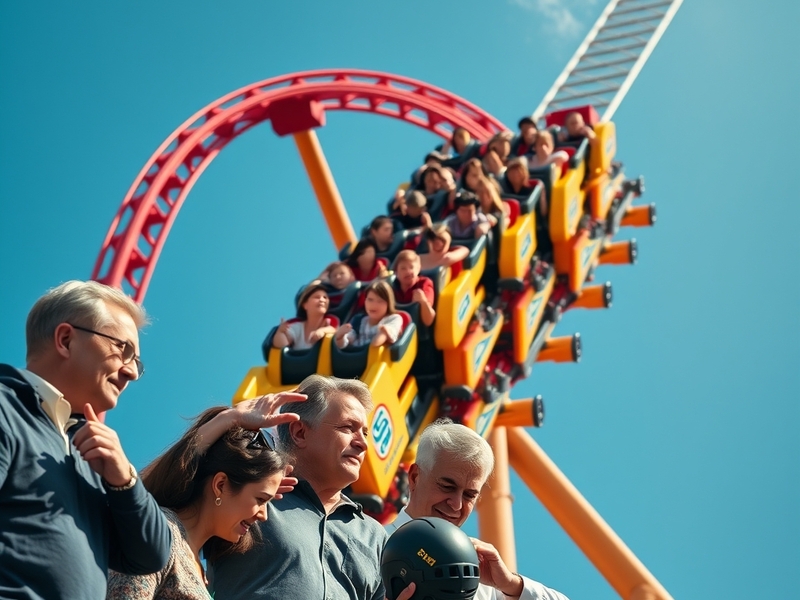
Understanding Roller Coaster Risks
Roller coasters are a staple of amusement parks, providing thrills and excitement to millions each year. However, the rush of adrenaline can come with risks, particularly when it comes to head injuries. In recent years, incidents involving brain injuries on roller coasters, such as those at Six Flags parks, have raised concerns among safety advocates, families, and park operators alike.
While roller coasters are designed with safety in mind, the forces exerted on the body during a ride can lead to serious injuries. The combination of high speeds, rapid descents, and sharp turns can result in unexpected impacts, especially for riders who may not be properly secured or who have pre-existing conditions.
Notable Incidents
Several high-profile cases have highlighted the potential dangers associated with roller coasters. One incident involved a rider at a Six Flags park who suffered a severe brain injury due to a sudden stop after a drop. This case, along with others, has prompted discussions about the safety measures in place at amusement parks.
Some notable incidents include:
- A rider who experienced a concussion after being thrown from their seat.
- Another case where a rider reported severe neck pain following a ride on a particularly intense coaster.
- An unfortunate event where a rider suffered a traumatic brain injury due to improper harnessing.
These incidents not only affect the victims and their families but also impact the reputation of the amusement parks involved, leading to increased scrutiny and calls for better safety protocols.
Safety Measures and Regulations
Amusement parks, including Six Flags, have implemented various safety measures to mitigate the risks associated with roller coasters. These measures include regular inspections, maintenance checks, and operator training. However, the effectiveness of these measures can vary, and some argue that more stringent regulations are needed.
Key safety practices include:
- Daily inspections of rides before opening to the public.
- Regular maintenance schedules to ensure all components are functioning properly.
- Training staff on emergency procedures and proper harnessing techniques.
- Clear communication of ride restrictions and safety warnings to patrons.
Despite these measures, the unpredictability of human behavior, such as riders not following safety instructions, can lead to accidents. Therefore, it is crucial for both parks and patrons to remain vigilant and prioritize safety at all times.
The Role of Public Awareness
Public awareness plays a significant role in enhancing safety at amusement parks. Riders should be educated about the potential risks and the importance of adhering to safety guidelines. This includes understanding height and health restrictions, as well as how to properly secure safety harnesses.
Advocacy groups have emerged, pushing for greater accountability from amusement parks. They emphasize the need for:
- Increased transparency regarding ride safety records.
- More comprehensive safety training for both staff and riders.
- Legislation that mandates higher safety standards across all amusement parks.
Such efforts aim to create a safer environment for all visitors, reducing the likelihood of injuries while preserving the thrill of amusement park rides.
Conclusion
While roller coasters provide exhilarating experiences, the reality of potential brain injuries cannot be overlooked. The incidents at Six Flags and other amusement parks serve as stark reminders of the importance of safety. As parks continue to innovate and create more thrilling rides, ensuring the safety of patrons must remain a top priority.
By fostering a culture of safety awareness and accountability, amusement parks can help prevent future injuries and maintain their reputation as family-friendly entertainment destinations. For more information on safety practices and updates in the amusement park industry, visit our Health and News sections.