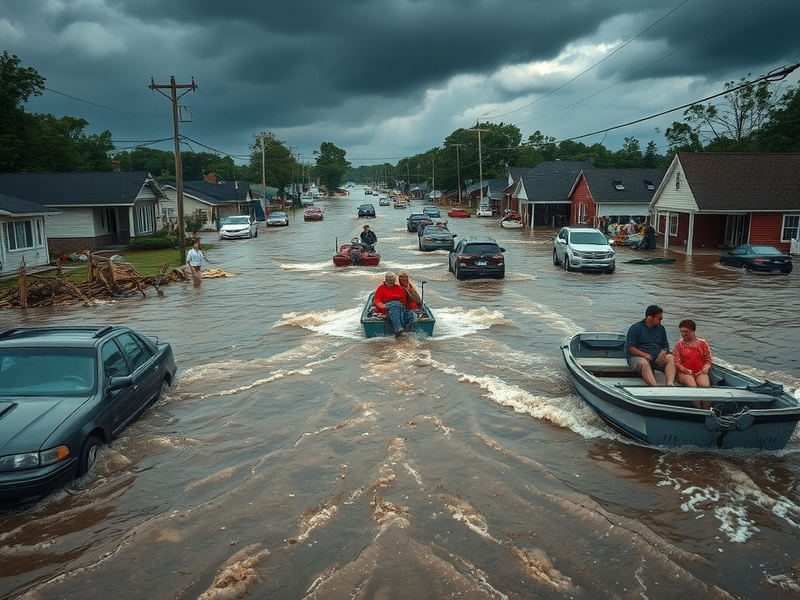
Understanding Flash Flooding
Flash flooding occurs suddenly and with little warning, often as a result of intense rainfall over a short period. This phenomenon can transform serene landscapes into torrents of water, posing significant dangers to life and property. The rapid onset of flash floods is what makes them particularly hazardous, as individuals may have little time to react.
Causes of Flash Flooding
There are several factors that contribute to the occurrence of flash floods. Some of the primary causes include:
- Intense Rainfall: The most common cause, where heavy rain falls within a short duration, overwhelming drainage systems.
- Topography: Areas with steep terrain can experience rapid runoff, leading to quicker water accumulation.
- Urbanization: Concrete surfaces prevent water absorption, increasing surface runoff and leading to potential flooding.
- Dam or Levee Failure: Structural failures can release large volumes of water suddenly, causing immediate flooding downstream.
Impact on Communities
The impact of flash flooding can be devastating for communities. Infrastructure damage is often significant, with roads, bridges, and buildings susceptible to severe erosion and destruction. Beyond physical damage, there are also profound economic consequences. Recovery can take years, straining local economies and resources.
Additionally, flash floods can lead to loss of life and injuries. Emergency services often face challenges in reaching affected areas swiftly, complicating rescue operations. The psychological toll on residents can also be substantial, as they grapple with the aftermath of such an unexpected disaster.
Preparation and Response
Effective preparation and response strategies can mitigate the impact of flash flooding. Communities can adopt several measures to enhance their resilience:
- Early Warning Systems: Implementing alert systems can provide timely information to residents about impending floods.
- Community Education: Public awareness campaigns can inform residents about the risks and signs of flash flooding.
- Infrastructure Improvements: Investing in better drainage systems and flood barriers can help manage heavy rainfall.
- Emergency Plans: Developing and practicing evacuation and emergency response plans can save lives during an event.
For more information on emergency preparedness, visit our Education section.
Conclusion
Flash flooding is an urgent environmental concern that requires ongoing attention and action. By understanding its causes and impacts, communities can better prepare for and respond to incidents of flash flooding. As climate change continues to influence weather patterns, the frequency and severity of such events may increase, making proactive measures more critical than ever.
To stay updated on related topics, explore our News category for the latest information and insights.