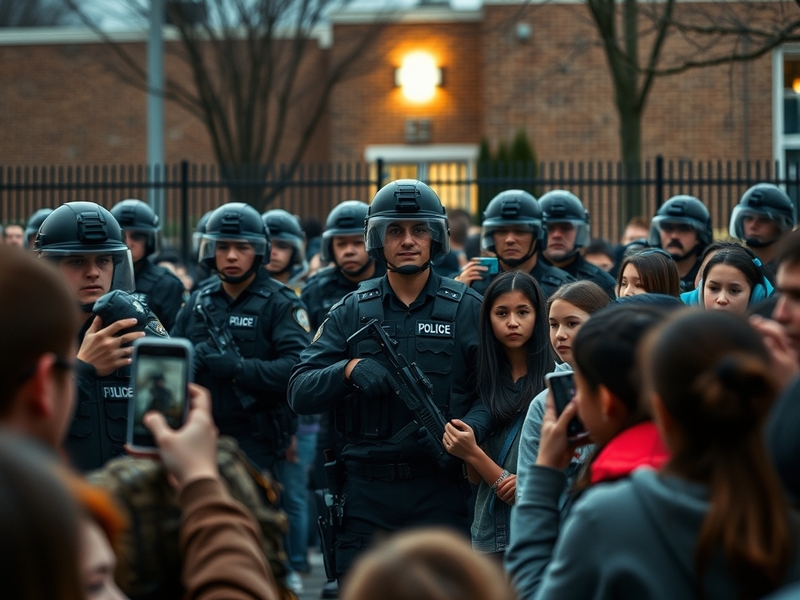
Understanding Hoax Bomb Threats in Schools
Hoax bomb threats in schools have become an alarming trend that raises serious concerns regarding safety and security. These threats can cause widespread panic, disrupt educational activities, and strain emergency services. The motivations behind such hoaxes can vary significantly, often requiring a deeper understanding of the implications for students, parents, and law enforcement.
Motivations Behind Hoax Threats
Individuals who perpetrate hoax bomb threats may do so for various reasons. Some common motivations include:
- Attention-Seeking: Some individuals may crave attention or notoriety, believing that making a bomb threat will garner them the spotlight.
- Disruption: Students facing academic pressure may resort to hoaxes as a means to escape exams or classes.
- Pranks: What starts as a misguided joke can lead to severe consequences, both legally and socially.
- Political Statements: Rarely, some hoaxes are intended to make a statement about societal issues, although this is less common in school settings.
Regardless of the motivation, the consequences of these threats can be far-reaching and detrimental to the school community.
Impact on School Communities
The impact of hoax bomb threats on school communities is multifaceted. Firstly, there is the immediate disruption caused by the threat itself. Schools must initiate emergency protocols, which often include evacuating students and staff. This can lead to:
- Loss of instructional time
- Increased anxiety among students and staff
- Potential financial costs related to emergency response
Moreover, the psychological effects can linger long after the incident. Students may develop a fear of returning to school or anxiety about their safety. Parents may also feel compelled to keep their children at home, fearing for their safety. This can lead to a breakdown of trust between families and educational institutions.
Legal Consequences and School Policies
Legally, hoax bomb threats are taken very seriously. Perpetrators can face severe penalties, including criminal charges, fines, and even imprisonment. Schools and law enforcement agencies are increasingly collaborating to identify and prosecute individuals responsible for these threats. Many schools have implemented strict policies to address hoaxes, which may include:
- Mandatory reporting to law enforcement for any threats received.
- Increased surveillance and monitoring of school premises.
- Awareness programs educating students about the seriousness of such threats.
- Consequences for students caught making threats, potentially including expulsion.
These measures aim to deter individuals from making threats and to reassure the school community of their safety.
Preventative Measures and Future Outlook
Preventing hoax bomb threats requires a comprehensive approach involving education, communication, and community engagement. Schools can take proactive steps, such as:
- Implementing educational programs that inform students about the legal implications of making threats.
- Encouraging open communication between students and staff to report suspicious behavior.
- Engaging parents in discussions about the seriousness of hoax threats.
As technology evolves, so do the methods used to disseminate these threats. Schools must stay vigilant and adapt their strategies to mitigate risks effectively. Collaboration with local law enforcement and mental health professionals can provide essential support in addressing the underlying issues that lead to such hoaxes.
In conclusion, hoax bomb threats in schools are a pressing issue that requires attention from all stakeholders involved. Understanding the motivations behind these threats, their impacts on school communities, and the legal consequences can help create a safer educational environment. By implementing preventative measures, schools can work towards reducing the frequency of such incidents and fostering a culture of safety and trust.