Overview of the DOJ’s Request for Judges’ Recusal
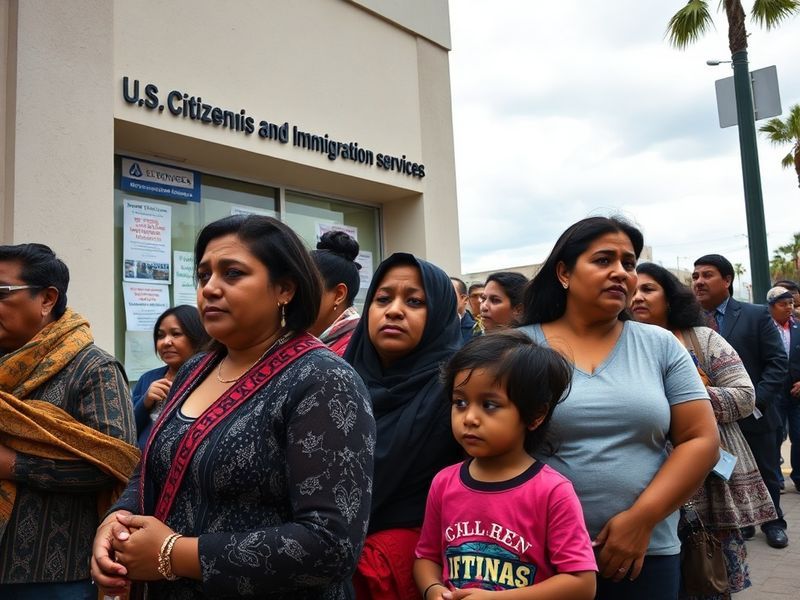
The U.S. Department of Justice (DOJ) has recently initiated a significant legal maneuver by seeking the recusal of specific judges involved in immigration cases. This action underscores the ongoing tensions within the immigration system and highlights the complexities of judicial impartiality in cases that often carry substantial political and social implications. The DOJ’s move has sparked discussions on the intersection of law and immigration policy, prompting legal experts and advocates to weigh in on its potential ramifications.
Understanding the Grounds for Recusal
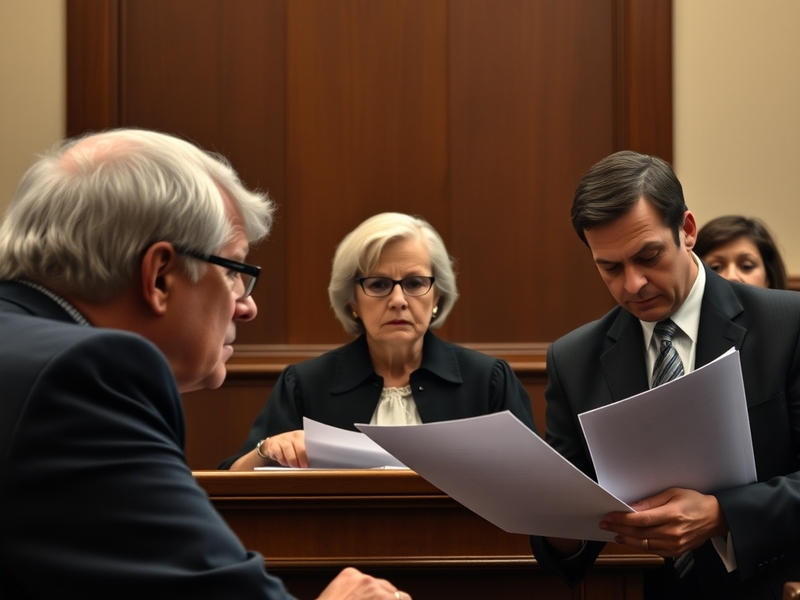
Recusal refers to the disqualification of a judge from participating in a case due to potential bias or conflict of interest. In the context of immigration cases, the DOJ’s request centers on concerns that certain judges may have demonstrated bias against the government’s immigration enforcement policies.
The reasons cited for recusal typically include:
- Public statements made by judges that indicate a predisposition against government policies.
- Previous rulings that may suggest a pattern of behavior unfavorable to the DOJ’s position.
- Personal connections or relationships that might compromise a judge’s impartiality.
This request is not without precedent. Similar actions have been observed in various jurisdictions where the stakes of immigration rulings can significantly impact thousands of lives.
Global Perspectives on Judicial Recusal
Judicial recusal is not a uniquely American concern; it resonates globally, particularly in nations grappling with immigration challenges. For instance, in the European Union, the principle of impartiality in judicial proceedings is paramount, and judges are often required to disclose any potential conflicts of interest before hearing cases. This practice aims to uphold public confidence in the judiciary’s ability to administer justice fairly.
Countries like Canada and Australia have also faced similar issues, where judges have recused themselves from immigration cases due to perceived biases or prior engagements with advocacy groups. These instances often lead to calls for stricter guidelines on judicial conduct, particularly in politically charged cases.
Implications of the DOJ’s Request
The DOJ’s actions could have far-reaching implications for the immigration system and the broader judicial landscape. By seeking recusal, the DOJ aims to ensure that the judges presiding over these cases are perceived as neutral arbiters of the law. This could lead to a more uniform application of immigration policies, which some argue is necessary for maintaining order and fairness in the system.
However, critics argue that such requests may undermine judicial independence. They contend that the DOJ’s intervention could be perceived as an attempt to manipulate the judiciary to achieve specific policy outcomes. This raises important questions about the separation of powers, a cornerstone of the American legal system.
Potential outcomes of the DOJ’s request include:
- Increased scrutiny of judges’ past rulings and public statements.
- Possible changes in how immigration cases are adjudicated, leading to a more cohesive approach.
- Heightened tensions between the judiciary and the executive branch.
Conclusion
The DOJ’s pursuit of judges’ recusal in immigration cases marks a significant moment in the ongoing dialogue surrounding immigration policy and judicial impartiality. As this situation unfolds, it will be crucial to observe how it affects not only the individual cases at hand but also the broader perception of the judicial system’s integrity.
Ultimately, the balance between ensuring fair immigration practices and maintaining an independent judiciary will be a challenging tightrope to walk. Stakeholders in the legal community, as well as the public, will need to stay informed and engaged as these developments progress.