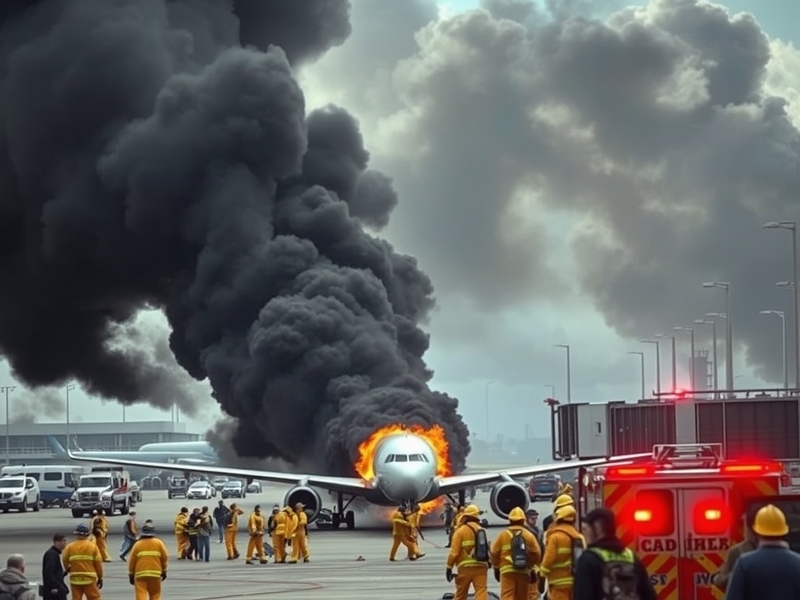
Understanding Airport Fires: Causes and Consequences
Airport fires can pose significant threats to both passengers and aircraft. These incidents can arise from various sources, including mechanical failures, fuel spills, and even arson. Understanding the causes and consequences of airport fires is crucial for enhancing safety protocols and emergency response measures.
In recent years, the aviation industry has made substantial advancements in fire prevention and safety technology. However, incidents still occur, prompting a closer examination of how airports manage these emergencies.
Common Causes of Airport Fires
Various factors can lead to fires at airports, and recognizing these is key to prevention. Here are some of the most common causes:
- Fuel Spills: Accidental spills during refueling operations can ignite and cause serious fires.
- Mechanical Failures: Malfunctioning equipment, including engines and electrical systems, can lead to fire outbreaks.
- Human Error: Mistakes made by ground crew or maintenance personnel can inadvertently trigger fires.
- Arson: Deliberate acts of sabotage pose a significant risk, requiring heightened security measures.
Each of these causes presents unique challenges for airport management and emergency services. Understanding the root causes can help in developing targeted strategies to mitigate risks.
Impact on Passenger Safety and Airport Operations
The ramifications of an airport fire extend beyond immediate danger to those on-site. Passenger safety is paramount, and any incident can lead to widespread panic and potential injuries. The operational impact is equally significant. Flights may be delayed or canceled, leading to financial losses for airlines and inconvenience for travelers.
In addition to immediate safety concerns, airports must also consider the long-term effects on their reputation and operational efficiency. A single fire incident can lead to a loss of public confidence and reduced passenger traffic.
Emergency Response Strategies
Effective emergency response strategies are vital for minimizing the impact of airport fires. Here are key components of a robust response plan:
- Training and Drills: Regular training for airport staff and emergency responders ensures preparedness for fire incidents.
- Fire Suppression Systems: Installing advanced fire suppression systems can address fires quickly before they escalate.
- Evacuation Protocols: Clear and efficient evacuation plans are essential for safely guiding passengers away from danger.
- Coordination with Local Fire Services: Collaborating with local fire departments enhances overall response capabilities.
These strategies are not just theoretical; they have been put into practice at airports around the world, showcasing their importance in real-life scenarios.
Looking Ahead: Innovations in Fire Safety
The aviation industry is continuously evolving, and fire safety technology is no exception. Innovations such as advanced fire detection systems and improved materials for aircraft construction are being developed to enhance safety. These advancements aim to reduce the likelihood of fires and ensure rapid response when incidents occur.
Moreover, increased investment in training and safety culture within airlines and airports is crucial. As the industry grows, so does the need for comprehensive safety measures to protect passengers and crew alike.
In conclusion, while airport fires remain a serious concern, ongoing efforts in prevention, response, and innovation are paving the way for safer travel experiences. As technology advances and protocols improve, the aviation industry continues to prioritize safety above all.