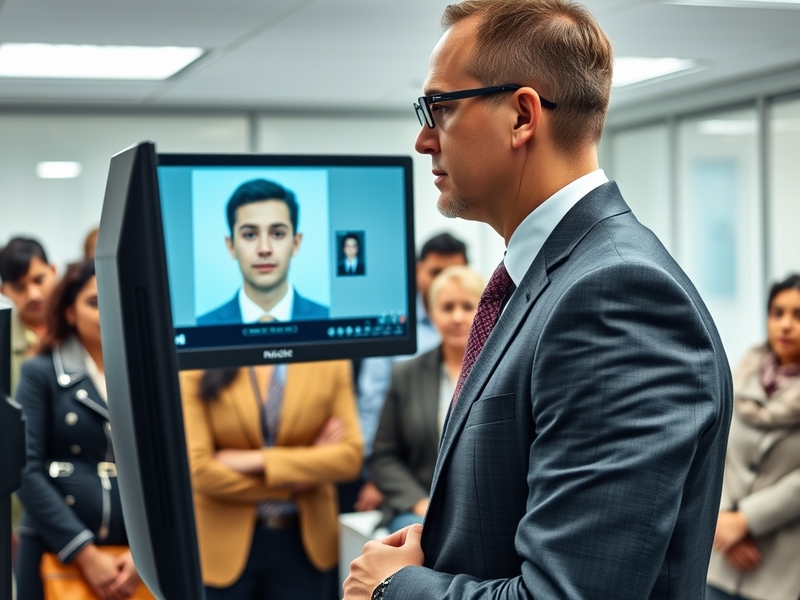
Understanding the UK Home Office’s Use of Facial Recognition Technology
The UK Home Office has increasingly turned to facial recognition technology as a tool for immigration control. This shift raises significant questions about privacy, security, and the ethical implications of surveillance. As the government seeks to streamline border processes and enhance security measures, the integration of facial recognition into immigration practices marks a notable development in how authorities interact with individuals entering the country.
Facial Recognition Technology: An Overview
Facial recognition technology employs algorithms to identify individuals based on their facial features. By analyzing the unique characteristics of a person’s face, the software can match it against databases to verify identity. This technology is used in various sectors, including law enforcement, retail, and, increasingly, immigration. The Home Office’s implementation of this system aims to facilitate faster processing times at borders and improve security.
Key Points of the Home Office’s Facial Recognition Immigration Strategy
- Efficiency: The technology promises quicker processing for travelers, potentially reducing wait times significantly.
- Security: Enhanced identification methods aim to prevent illegal immigration and ensure that individuals entering the UK are who they claim to be.
- Privacy Concerns: There are growing fears regarding data protection and the potential for misuse of sensitive information collected through facial recognition systems.
- Regulatory Framework: The implementation of this technology must align with existing laws and ethical guidelines to protect citizens’ rights.
Broader Implications of Facial Recognition in Immigration
The adoption of facial recognition by the UK Home Office is not merely a technological advancement; it reflects broader societal trends towards increased surveillance. While advocates argue that such measures enhance national security and border control, critics highlight serious privacy issues. Concerns include the accuracy of facial recognition systems, particularly in identifying individuals from diverse backgrounds, which can lead to wrongful detentions.
Moreover, the potential for data breaches poses a significant risk. If personal data is compromised, it could lead to identity theft or misuse. The ethical implications of surveillance technology extend beyond immediate security concerns, prompting discussions about the balance between safety and individual freedoms.
The Path Forward: Balancing Security and Privacy
As the UK Home Office moves forward with its facial recognition immigration strategy, it is crucial to establish a robust regulatory framework. This framework should include:
- Transparency: Clear communication about how data will be used and protected.
- Accountability: Mechanisms to hold authorities responsible for the misuse of technology.
- Public Engagement: Involving citizens in discussions about the implications of surveillance technologies.
- Regular Audits: Ongoing assessments of the technology’s effectiveness and its impact on civil liberties.
By addressing these areas, the Home Office can work towards a more balanced approach that prioritizes both security and individual rights. The integration of technology in immigration processes should not come at the expense of personal freedoms.
In conclusion, the UK Home Office’s implementation of facial recognition technology for immigration control is a complex issue. While it offers potential benefits in terms of efficiency and security, it also raises serious ethical and privacy concerns. Moving forward, it is imperative that authorities establish a transparent and accountable framework to ensure that the rights of individuals are protected while enhancing national security.