Current Ebola Cases: A Global Health Concern
The Ebola virus disease (EVD) has long been a significant public health issue, particularly in parts of Africa. Recent outbreaks have reignited concerns about the virus’s potential to spread beyond its traditional boundaries. Understanding the current status of Ebola cases is crucial for effective prevention and response strategies.
Recent Outbreaks and Statistics
As of late 2023, several countries have reported new cases of Ebola, particularly in regions previously affected by the virus. The World Health Organization (WHO) has been actively monitoring these outbreaks, providing updates and guidelines to help control the spread.
- Democratic Republic of Congo (DRC): The DRC has seen the majority of recent cases. The government, in collaboration with international health organizations, is working to contain the virus.
- Guinea: After a brief resurgence, Guinea reported a handful of cases that were quickly managed through rigorous contact tracing and vaccination efforts.
- New Regions: There have been isolated cases reported in countries that have historically been free of Ebola, raising alarms about the virus’s potential spread.
These statistics underscore the need for continued vigilance. While advancements in treatment and vaccines have improved survival rates, the risk of outbreaks remains high, particularly in densely populated areas with limited healthcare infrastructure.
Broader Implications of Ebola Outbreaks
The implications of Ebola outbreaks extend beyond health concerns. They affect economies, social structures, and international relations. Countries that experience outbreaks often face travel restrictions and trade impacts, which can hinder economic growth and recovery efforts.
Moreover, there is a psychological impact on communities. Fear of the virus can lead to stigma against survivors, making it difficult for them to reintegrate into society. This stigma can further complicate public health efforts, as individuals may hesitate to seek care for fear of being ostracized.
Preventive Measures and Global Response
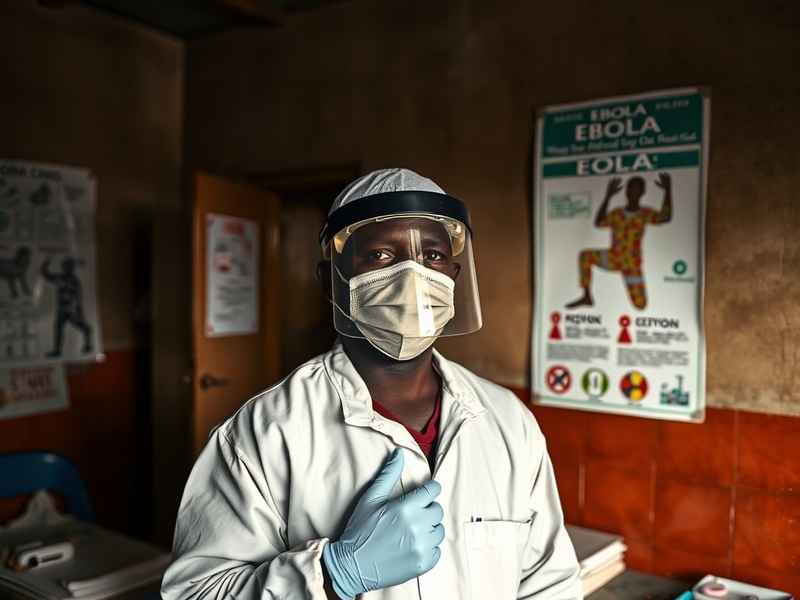
Preventing Ebola outbreaks requires a multifaceted approach. Health organizations are focusing on several key strategies:
- Vaccination: The deployment of vaccines in high-risk areas is critical. The rVSV-ZEBOV vaccine has shown promise in preventing the disease.
- Surveillance: Enhanced surveillance systems are essential for early detection of cases. This includes monitoring wildlife populations, as bats are known carriers of the virus.
- Public Education: Educating communities about the virus, its transmission, and preventive measures can significantly reduce the spread.
- International Collaboration: Global partnerships are necessary for effective resource allocation and technical support during outbreaks.
Efforts to combat Ebola also highlight the importance of global health security. As diseases do not respect borders, international cooperation is vital for preparedness and response. Countries must be willing to share information and resources, and organizations like the WHO play a crucial role in facilitating this collaboration.
Conclusion
In summary, the current landscape of Ebola cases requires a concerted effort from the global community. While the situation is being managed through vaccination and public health initiatives, the threat of new outbreaks persists. Continuous investment in healthcare infrastructure, education, and international cooperation is essential for mitigating the impact of Ebola and ensuring a swift response to future outbreaks.
For more information on health-related topics, visit our pages on Health and News.