Understanding the Role of the Lord Mayor of London
The Lord Mayor of London is a significant figure in the city’s governance and ceremonial life. This position has existed for over 800 years, symbolizing not just leadership but also the rich history of London as a global city. The Lord Mayor’s role combines both political and ceremonial duties, which makes it unique among other mayoral positions worldwide.
Historical Context
The origins of the Lord Mayor can be traced back to the 13th century, when the title was first officially recognized. Initially, the Lord Mayor was responsible for maintaining law and order within the City of London, which was a separate entity from the rest of the metropolis. Over the centuries, the responsibilities of the Lord Mayor have evolved, reflecting changes in governance, commerce, and society.
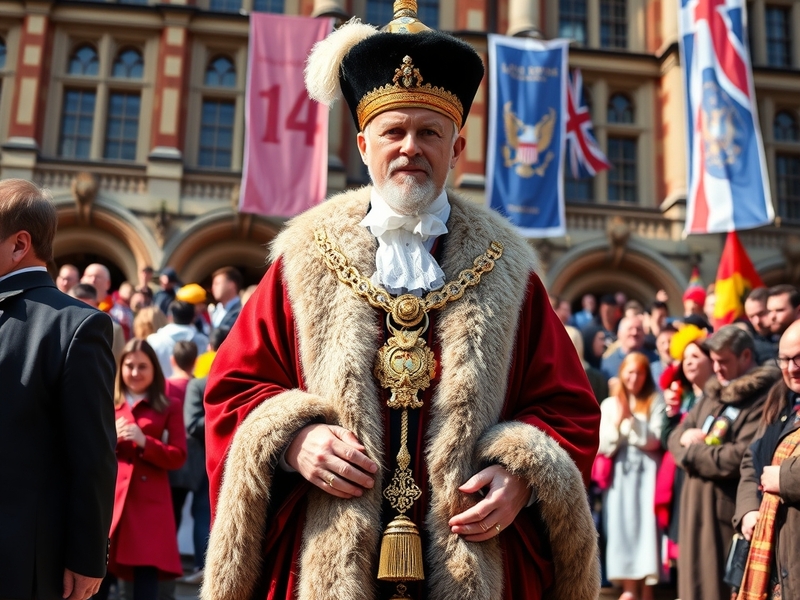
Today, the Lord Mayor serves a one-year term, with the election taking place in September. The role is steeped in tradition, including the annual Lord Mayor’s Show, which is a spectacular parade showcasing the Lord Mayor’s authority and the city’s historical significance.
Key Responsibilities
The responsibilities of the Lord Mayor are diverse, encompassing various aspects of civic life. Here are some key duties:
- Ceremonial Duties: Presiding over official events, including state banquets and civic ceremonies.
- Representation: Acting as a representative of the City of London in dealings with other cities and countries.
- Business Advocacy: Promoting London as a global business hub and supporting local enterprises.
- Charity Work: Engaging in philanthropic activities and supporting numerous charities throughout the year.
These responsibilities highlight the dual nature of the Lord Mayor’s role, which balances ceremonial functions with active participation in economic and social issues facing the city.
Broader Implications of the Role
The Lord Mayor of London is not just a ceremonial figure; the position carries significant implications for the city’s identity and its global standing. In a rapidly changing world, the Lord Mayor plays a crucial part in addressing contemporary challenges such as climate change, urban development, and social inequality.
For instance, the Lord Mayor often advocates for sustainable business practices and urban regeneration projects, thereby influencing policies that affect the lives of Londoners. Furthermore, the position serves as a bridge between traditional values and modern governance, reflecting the city’s ability to evolve while honoring its rich heritage.
Moreover, the Lord Mayor’s engagement in international relations can bolster London’s reputation as a leading global city. By fostering connections with other cities, the Lord Mayor helps to position London as a key player on the world stage, which is essential for attracting investment and talent.
Conclusion
The Lord Mayor of London embodies the city’s historical legacy while actively engaging in contemporary issues. This unique blend of tradition and modernity not only enhances the role’s significance but also contributes to London’s status as a global metropolis. As the city continues to face various challenges, the leadership of the Lord Mayor will remain crucial in shaping its future.