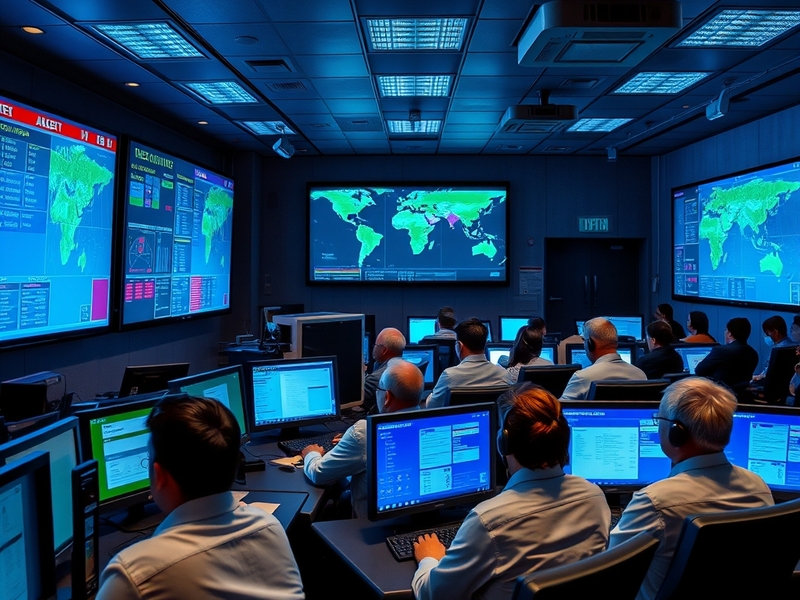
Understanding the Alert System: A Global Perspective
The alert system, or “sistema de alerta,” plays a crucial role in emergency management and public safety across the globe. These systems are designed to provide timely warnings about various threats, including natural disasters, health crises, and security threats. By disseminating information quickly and effectively, alert systems can save lives and minimize damage. This article examines the different types of alert systems, their cultural significance, and their effectiveness in various regions.
Types of Alert Systems
Alert systems can be categorized into several types based on their purpose and functionality. Each system has its own strengths and weaknesses, tailored to address specific needs. Some of the most common types include:
- Natural Disaster Alerts: These systems are activated in the event of earthquakes, tsunamis, hurricanes, and other natural disasters. They often utilize sirens, text messages, and social media to inform the public.
- Health Alerts: In the wake of global pandemics, health alerts notify citizens about outbreaks, vaccination drives, and safety protocols. They are crucial for managing public health crises.
- Security Alerts: These systems are employed to inform the public about potential threats such as terrorist attacks or active shooter situations. They often utilize apps, emails, and public announcements.
- Environmental Alerts: These systems provide information regarding environmental hazards, including pollution levels and hazardous material spills, helping communities take preventive measures.
Cultural Context and Global Implementation
The implementation of alert systems varies widely across different cultures and countries. In some nations, such as Japan, where earthquakes are frequent, the alert system is highly advanced. The Japanese government employs a robust network of sensors to detect seismic activity, providing citizens with early warnings seconds before an earthquake strikes. This proactive approach has significantly reduced casualties over the years.
In contrast, other regions may struggle with the effectiveness of their alert systems due to lack of infrastructure or government support. For instance, countries in parts of Africa may have limited access to technology, which hampers the dissemination of crucial information during emergencies. Here, community-driven initiatives often fill the gaps, utilizing local radio stations and community leaders to spread alerts.
Moreover, cultural attitudes towards authority and technology can influence how alert systems are perceived and utilized. In some cultures, there may be skepticism towards government-issued alerts, leading to lower compliance rates. On the other hand, communities that trust their local authorities tend to respond more effectively to alerts, showcasing the importance of building public trust.
Effectiveness and Challenges
While alert systems are essential for public safety, they face numerous challenges that can hinder their effectiveness. Some of these challenges include:
- Technological Limitations: In areas with poor internet connectivity or outdated infrastructure, reaching the population quickly can be a significant hurdle.
- Public Awareness: Many individuals may not be familiar with the alert systems in their area, leading to confusion during emergencies. Education and outreach are critical components for improving response rates.
- Language Barriers: In multicultural societies, alerts may not be accessible to everyone if they are only issued in a dominant language.
- False Alarms: Frequent false alarms can lead to desensitization, where people begin to ignore alerts, reducing the overall effectiveness of the system.
To address these challenges, continuous improvement and adaptation of alert systems are necessary. Governments and organizations should invest in technology, conduct regular drills, and ensure that alerts are issued in multiple languages to cater to diverse populations.
Conclusion
The alert system is a vital tool for safeguarding lives and property in the face of emergencies. Its effectiveness hinges on the integration of technology, public trust, and cultural understanding. As we continue to face new challenges, from climate change to health crises, the evolution of these systems will be crucial. By learning from different global implementations, we can create more robust and responsive alert systems that protect communities worldwide. For more insights on emergency preparedness and safety measures, check out our Safety section.