Understanding the Impact of South Florida Floods
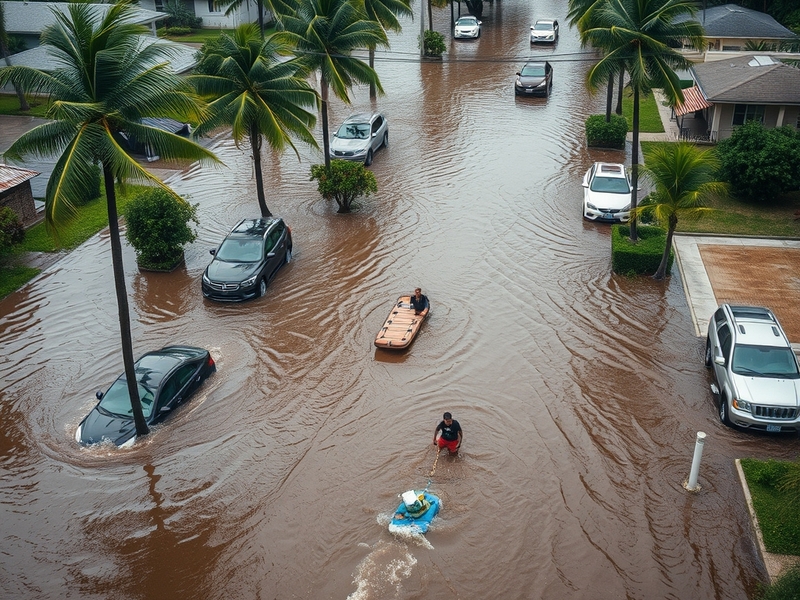
South Florida has been grappling with severe flooding events that have raised concerns among residents, environmentalists, and city planners. The region’s unique geography, combined with climate change, has resulted in increasingly frequent and intense rainfall, leading to significant water accumulation. This article explores the causes, effects, and potential solutions to flooding in South Florida.
Causes of Flooding in South Florida
Several factors contribute to the flooding issues faced by South Florida. These include:
- Climate Change: Rising temperatures lead to increased rainfall and erratic weather patterns.
- Urbanization: Rapid development has resulted in impervious surfaces, preventing water absorption into the ground.
- Sea Level Rise: As sea levels rise, saltwater intrusion into freshwater systems exacerbates flooding conditions.
- Storms: Hurricanes and tropical storms can bring intense rainfall and storm surges, overwhelming drainage systems.
Consequences of Flooding
The repercussions of flooding in South Florida extend beyond immediate water damage. The economic, environmental, and social impacts are profound:
- Economic Loss: Businesses face closures and damages, leading to significant financial losses and decreased tourism.
- Infrastructure Damage: Roads, bridges, and public facilities often suffer extensive damage, requiring costly repairs.
- Environmental Degradation: Flooding can lead to pollution from runoff, harming local ecosystems and wildlife.
- Health Risks: Stagnant water can become a breeding ground for mosquitoes and other pests, posing health threats.
Mitigation Strategies
Addressing the flooding crisis in South Florida requires a multifaceted approach. City planners and policymakers are implementing various strategies to mitigate the impacts:
- Improved Drainage Systems: Upgrading existing drainage infrastructure to handle heavier rainfall is essential.
- Green Spaces: Creating parks and wetlands can absorb excess water and reduce runoff.
- Building Regulations: Enforcing stricter regulations on development in flood-prone areas can prevent future issues.
- Community Planning: Integrating flood risk assessments into urban planning helps in making informed decisions.
Additionally, public awareness and education are crucial for preparing residents for potential flooding events. Communities that engage in preparedness drills and create emergency plans are better equipped to handle disasters.
Global Context and Cultural Implications
The flooding situation in South Florida is not an isolated issue; it mirrors challenges faced by many coastal cities worldwide. From Venice to New Orleans, urban areas are grappling with similar threats from climate change and rising sea levels. Cultural responses to flooding can vary significantly, influencing how communities adapt and recover. In some regions, traditional practices and local knowledge play a vital role in resilience, while in others, technology and innovation are at the forefront.
As global temperatures continue to rise, South Florida’s flooding may serve as a case study for other regions. It highlights the need for urgent action on climate change and sustainable urban planning. By learning from the experiences of South Florida, cities around the world can develop more effective strategies to combat the challenges posed by flooding.
In conclusion, flooding in South Florida presents a complex challenge that intertwines environmental, economic, and social factors. As the region confronts these issues, it is imperative to adopt comprehensive strategies that not only address immediate concerns but also lay the groundwork for future resilience. The lessons learned here can resonate globally, encouraging a collaborative approach to tackle the pressing issue of climate change and its impacts on urban areas.