Food Safety News: Global Trends and Local Challenges
Food safety remains one of the most pressing public health concerns worldwide, affecting millions each year. Recent reports from the World Health Organization (WHO) indicate that nearly one in ten people fall ill after consuming contaminated food, resulting in over 400,000 deaths annually. These statistics underscore the critical need for vigilance across food supply chains, from farm to fork. Governments, international organizations, and local communities are increasingly collaborating to address emerging risks, but challenges persist in both developed and developing nations.
The Global Rise of Foodborne Illnesses
Foodborne illnesses are not confined by borders. In 2023, the European Centre for Disease Prevention and Control (ECDC) recorded a 12% increase in salmonella cases compared to the previous year. Meanwhile, the U.S. Centers for Disease Control and Prevention (CDC) reported over 250 outbreaks linked to produce alone. These figures suggest that industrialization and globalization of food production may be contributing to the spread of pathogens.
Several factors drive this trend. The rise of antibiotic-resistant bacteria in livestock poses a growing threat, as seen in the proliferation of E. coli strains resistant to multiple drugs. Additionally, climate change is altering the geographic distribution of pests and contaminants, making once-rare threats more common in new regions. For example, warmer temperatures have expanded the range of Vibrio bacteria, which thrive in coastal waters and are increasingly found in raw oysters.
- Key Contributors to Foodborne Illnesses:
- Antibiotic resistance in livestock
- Climate-induced changes in pathogen distribution
- Complex global supply chains with limited traceability
- Consumer demand for raw or minimally processed foods
In response, international agencies are pushing for stricter regulations. The Codex Alimentarius Commission, a joint effort by the WHO and the Food and Agriculture Organization (FAO), recently updated its guidelines on food hygiene to address these evolving risks. Yet, enforcement remains inconsistent, particularly in regions with weaker regulatory frameworks.
Cultural Practices and Food Safety Gaps
Cultural food practices often clash with modern safety standards, creating unique challenges. In Southeast Asia, where street food is a cultural cornerstone, vendors frequently operate without refrigeration or proper hygiene measures. A study in Thailand found that 68% of street food samples contained harmful bacteria, yet these foods remain central to local diets and tourism industries.
Similarly, in parts of Africa, traditional preservation methods like smoking or fermenting can inadvertently promote bacterial growth if not carefully controlled. For instance, Listeria monocytogenes, a dangerous pathogen, has been detected in fermented dairy products in Nigeria, leading to sporadic outbreaks. These cases highlight the tension between preserving cultural heritage and adopting safer food handling practices.
“Food safety cannot be an afterthought—even in cultures where food is deeply tied to identity and tradition. Balancing these priorities is essential for public health.” — Dr. Amina Sow, Food Safety Researcher at the University of Dakar
Efforts to bridge this gap are underway. In Mexico, the government has launched programs to train street food vendors in safer food handling, combining traditional cooking methods with modern hygiene protocols. Meanwhile, in India, the Food Safety and Standards Authority of India (FSSAI) has partnered with local NGOs to educate communities about the risks of raw milk consumption, a common practice in rural areas.
Technological Innovations in Food Safety
Technology is transforming how food safety is monitored and enforced. Blockchain, for example, is being piloted in countries like China and the Netherlands to track food from farm to supermarket, reducing the risk of contamination and fraud. In the U.S., the FDA’s New Era of Smarter Food Safety initiative leverages artificial intelligence to predict and prevent outbreaks before they spread.
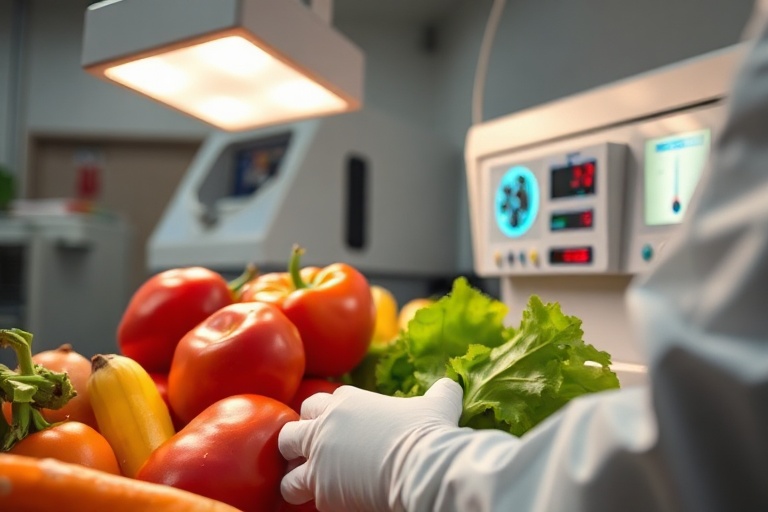
Another breakthrough is the development of rapid pathogen detection tools. Traditional lab tests can take days, but new biosensors can identify Salmonella or Listeria in under two hours. These tools are particularly valuable for small-scale producers who lack the resources for extensive testing. In Kenya, a startup called mPedigree uses mobile technology to allow farmers to verify the safety of their inputs via SMS, ensuring compliance with international standards.
The integration of these technologies is not without challenges. High costs and limited access in rural areas remain barriers, particularly in low-income countries. Additionally, data privacy concerns arise as companies collect detailed information about food supply chains. Nonetheless, the potential for these innovations to save lives is undeniable.
The Role of Consumer Awareness
While systemic changes are critical, individual behavior plays a significant role in food safety. A survey conducted by the European Consumer Organisation (BEUC) revealed that 40% of Europeans do not wash their hands before handling food, a simple yet effective way to prevent contamination. Similarly, in the U.S., the CDC estimates that 50% of foodborne illnesses originate at home, often due to improper storage or cooking temperatures.
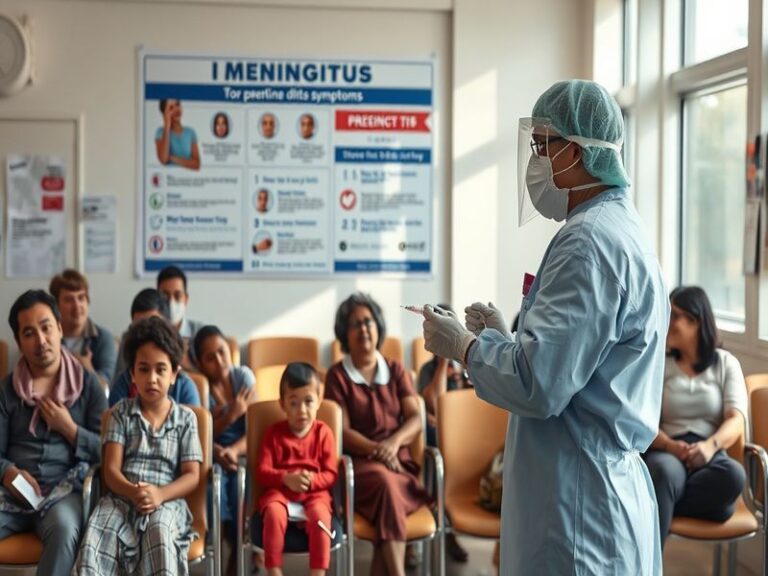
Public education campaigns are slowly making an impact. In Japan, the government’s “Food Safety Basic Plan” includes annual campaigns targeting households, schools, and workplaces. These efforts emphasize the importance of separating raw and cooked foods, cooking meat thoroughly, and avoiding cross-contamination. In Brazil, a viral social media campaign used humor to teach consumers about the dangers of consuming raw eggs in homemade mayonnaise, reducing related illnesses by 30% in one year.
Yet, misinformation continues to spread, particularly on social media. Myths like “organic food is always safe” or “if it smells fine, it’s safe” persist despite evidence to the contrary. Health organizations are increasingly turning to influencers and community leaders to debunk these myths and promote evidence-based practices.
Looking Ahead: A Collaborative Future
The future of food safety will depend on collaboration across sectors. Governments must strengthen regulations and invest in infrastructure, while businesses need to prioritize transparency and accountability. Consumers, too, must take ownership of their role in preventing foodborne illnesses. Initiatives like the WHO’s “Five Keys to Safer Food” provide a simple framework for individuals to follow, emphasizing cleanliness, separation, cooking, chilling, and avoiding unsafe sources.
As global supply chains become more complex, the need for international cooperation will only grow. The recent African Swine Fever epidemic, which spread across multiple continents due to the movement of infected pork products, serves as a stark reminder of how quickly food safety issues can escalate. Strengthening global networks for tracking and responding to outbreaks is no longer optional—it is a necessity.
Food safety is not just about avoiding illness; it is about ensuring equitable access to nutritious, uncontaminated food for all. From the bustling markets of Lagos to the high-tech farms of the Netherlands, the stakes are the same. By embracing innovation, respecting cultural practices, and fostering global partnerships, we can build a safer food future for generations to come.