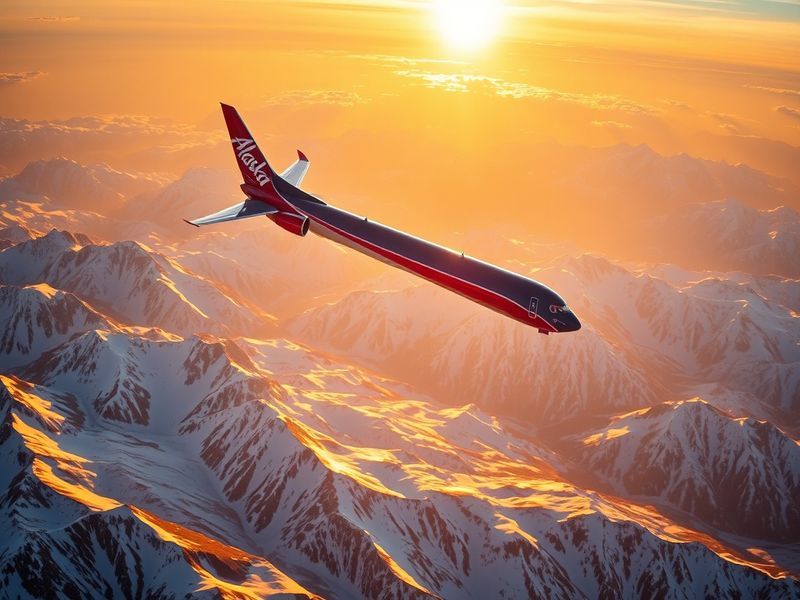
Alaska Air: Challenges, Strategies, and the Future of Aviation
Alaska Air Group, the parent company of Alaska Airlines and Horizon Air, has long been a fixture in the Pacific Northwest’s aviation landscape. Known for its customer service and regional focus, the airline has faced its share of challenges in recent years—from operational disruptions to competitive pressures. Yet, despite these hurdles, Alaska Air remains a resilient player in the industry, adapting to changing market dynamics while maintaining its reputation for reliability and innovation.
The Legacy and Evolution of Alaska Air
Founded in 1932 as McGee Airways, Alaska Air has grown from a small, regional carrier into one of the most recognizable names in U.S. aviation. The airline’s merger with Virgin America in 2016 marked a significant turning point, expanding its route network and modernizing its fleet. Today, Alaska Air operates over 120 aircraft, serving more than 120 destinations across the United States, Canada, Mexico, and Costa Rica. Its loyalty program, Mileage Plan, is frequently ranked among the best in the industry, further cementing its appeal to frequent flyers.
However, growth has not come without challenges. The airline has grappled with labor disputes, rising fuel costs, and the lingering effects of the COVID-19 pandemic, which disrupted travel patterns globally. These factors have forced Alaska Air to rethink its strategies, particularly in areas like route optimization and customer experience. The airline’s recent investments in technology, such as its app-based upgrades and digital check-in options, reflect its commitment to staying competitive in an increasingly digital travel landscape.
Recent Challenges and Operational Hurdles
The past few years have tested Alaska Air’s operational resilience. In early 2023, the airline faced widespread flight cancellations and delays, a problem exacerbated by staffing shortages and severe weather conditions. These disruptions not only frustrated passengers but also drew scrutiny from regulators and industry analysts. The Federal Aviation Administration (FAA) launched an investigation into the airline’s scheduling practices, highlighting the broader issues of workforce shortages and supply chain constraints plaguing the aviation sector.
Beyond operational challenges, Alaska Air has also contended with financial pressures. Rising fuel prices, a key expense for any airline, have squeezed profit margins. In response, the airline has implemented cost-cutting measures, including fleet adjustments and route optimizations, to maintain financial stability. Despite these efforts, the airline’s stock performance has been volatile, reflecting investor uncertainty about its long-term outlook.
- Labor Shortages: Pilots and flight attendants have been in high demand, leading to staffing gaps that disrupt schedules.
- Fuel Costs: Volatile oil prices have increased operational expenses, impacting profitability.
- Regulatory Scrutiny: The FAA’s investigation into scheduling practices has added another layer of complexity to recovery efforts.
- Competitive Pressures: Airlines like Delta and United have intensified competition, particularly on transcontinental routes.
Strategic Moves and Future Outlook
Despite these challenges, Alaska Air has taken steps to strengthen its position in the market. One of its most significant moves was the acquisition of a majority stake in regional carrier Horizon Air, which operates smaller aircraft to underserved destinations. This acquisition not only expanded Alaska Air’s reach but also allowed it to better compete with larger airlines on smaller, high-demand routes. Additionally, the airline has focused on enhancing its loyalty program, introducing new partnerships and redemption options to retain customers.
Looking ahead, Alaska Air is betting on technology to drive efficiency and customer satisfaction. The airline has invested in AI-driven customer service tools, such as chatbots and automated rebooking systems, to reduce wait times and improve the travel experience. These innovations are part of a broader strategy to modernize operations and reduce reliance on manual processes.
The airline’s leadership has also emphasized sustainability as a key priority. Alaska Air has committed to reducing its carbon emissions by 50% by 2050, aligning with broader industry goals to combat climate change. This commitment not only addresses environmental concerns but also appeals to eco-conscious travelers, a growing segment of the market.
Broader Implications for the Aviation Industry
Alaska Air’s struggles and strategies offer a microcosm of the challenges facing the entire aviation industry. Labor shortages, rising costs, and regulatory pressures are not unique to Alaska Air; they are systemic issues that airlines worldwide must navigate. The airline’s response—focusing on technology, sustainability, and customer loyalty—provides a model for how carriers can adapt in a rapidly changing environment.
Moreover, Alaska Air’s experience underscores the importance of regional carriers in maintaining connectivity across the U.S. As major airlines consolidate routes and focus on high-profit segments, regional carriers like Horizon Air play a critical role in ensuring that smaller markets remain accessible. This dynamic could shape the future of domestic air travel, particularly in rural and underserved areas.
For travelers, Alaska Air’s story is a reminder of the resilience required in the face of adversity. While delays and cancellations are never ideal, the airline’s efforts to improve its operations and customer experience signal a commitment to long-term stability. As the aviation industry continues to evolve, Alaska Air’s ability to adapt will be a key factor in its success.
What’s Next for Alaska Air?
As Alaska Air navigates the turbulence of the post-pandemic era, its focus on innovation and customer service will be critical. The airline’s investments in technology and sustainability, along with its strategic acquisitions, position it well for future growth. However, the road ahead is not without risks. Labor negotiations, fuel price volatility, and competition from larger carriers will continue to test the airline’s resolve.
For passengers, the hope is that Alaska Air’s efforts translate into smoother operations and a better travel experience. For industry observers, the airline’s journey offers valuable insights into the broader challenges and opportunities facing the aviation sector. One thing is clear: Alaska Air’s story is far from over, and its next chapter could redefine its role in the skies.
For more on the airline industry’s trends and challenges, visit our Travel and Business categories on Dave’s Locker.