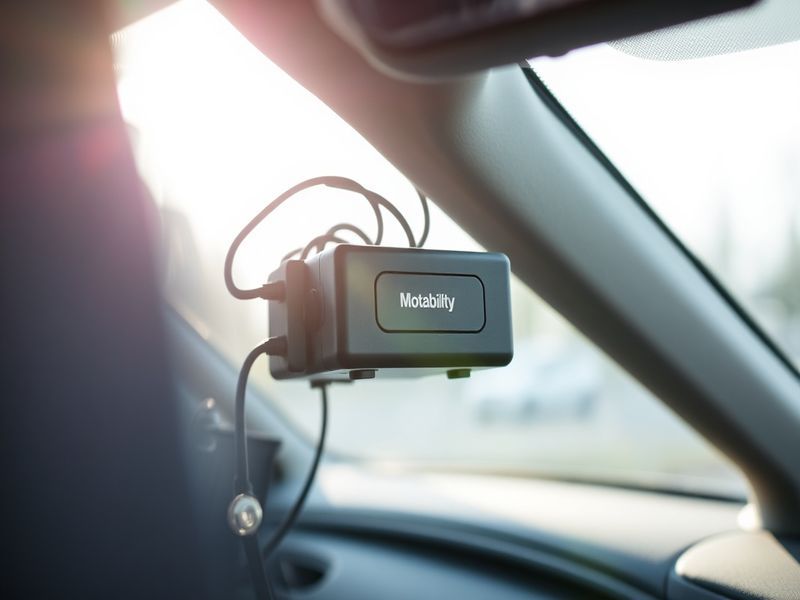
Motability Scheme Black Boxes: What Drivers Should Know
“`html
Motability Scheme Black Boxes: What Drivers Need to Know
The Motability Scheme has evolved significantly since its inception, particularly with the introduction of black box technology. This innovation aims to enhance vehicle safety, reduce insurance premiums, and provide peace of mind for drivers who rely on mobility solutions. But what exactly are these black boxes, and how do they impact those enrolled in the scheme?
At its core, the black box—officially known as a telematics device—is a small GPS-enabled tracker installed in vehicles to monitor driving behavior. For Motability users, this technology serves multiple purposes beyond simple tracking. It collects data on speed, braking, cornering, and even the time of day the vehicle is used. Insurers and the Motability Scheme itself use this information to assess risk, determine insurance costs, and sometimes even influence the type of vehicle a driver is eligible to receive.
How the Black Box Works in the Motability Scheme
The installation process is straightforward. Once a driver is accepted into the scheme, their vehicle is fitted with the black box, typically hidden from view to avoid tampering. The device operates by transmitting real-time data to a central server, which is then analyzed by both the Motability Scheme and insurance providers.
Key functions of the black box include:
- Driving Behavior Monitoring: The system tracks acceleration, braking, and cornering to evaluate how safely the vehicle is being driven.
- Mileage Tracking: Accurate mileage reporting helps ensure drivers stay within their agreed annual limits, preventing unexpected charges.
- Emergency Assistance: In the event of an accident, the black box can automatically alert emergency services, providing location data and details of the incident.
- Vehicle Security: The device acts as a deterrent against theft, making it easier to recover stolen vehicles.
For many Motability users, the black box offers an added layer of security. Since the scheme provides vehicles to individuals with disabilities or long-term health conditions, the ability to quickly locate a vehicle in an emergency can be life-saving. Additionally, the data collected helps insurers offer more competitive premiums, as safe driving habits can lead to lower costs.
The Impact on Insurance and Premiums
One of the most significant benefits of the black box for Motability drivers is its potential to reduce insurance costs. Traditional insurance models often rely on broad risk assessments, which can result in higher premiums for drivers who may face unique challenges behind the wheel. However, telematics-based insurance—commonly referred to as “black box insurance”—allows premiums to be tailored to individual driving habits.
For example, a driver who consistently demonstrates safe driving practices—such as smooth acceleration, moderate speeds, and careful cornering—may see their insurance premiums decrease over time. Conversely, erratic driving could lead to higher costs or, in extreme cases, policy adjustments. This personalized approach ensures that drivers are rewarded for responsible behavior rather than penalized by generalized risk assessments.
It’s worth noting that not all insurers participating in the Motability Scheme use black box technology in the same way. Some may offer discounts for participation alone, while others tie premiums directly to driving data. Drivers should review their policy details carefully to understand how the black box affects their coverage and costs.
Addressing Concerns and Misconceptions
Despite the advantages, the introduction of black boxes has not been without controversy. Some Motability users have expressed concerns about privacy, fearing that the constant monitoring of their driving could feel intrusive. Others worry about the potential for data misuse, particularly if information is shared with third parties without explicit consent.
To address these concerns, the Motability Scheme and participating insurers emphasize transparency and data security. Drivers are typically provided with access to their own driving data, allowing them to review their performance and make improvements where necessary. Additionally, strict data protection policies are in place to ensure that information is used solely for the purposes of insurance assessment and vehicle safety.
Another common misconception is that the black box will automatically penalize drivers for minor infractions, such as occasional speeding. In reality, most systems are designed to account for natural variations in driving and focus on consistent patterns rather than isolated incidents. Drivers are encouraged to view the black box as a tool for improvement rather than a punitive measure.
What the Future Holds for Motability Black Boxes
The integration of black box technology into the Motability Scheme reflects a broader trend toward data-driven mobility solutions. As vehicle technology continues to advance, we can expect further refinements in how telematics are used to enhance safety, accessibility, and affordability for drivers with disabilities.
Future developments may include:
- Integration with Electric Vehicles (EVs): As more Motability vehicles switch to electric, black boxes could help optimize battery usage and charging schedules based on driving patterns.
- AI-Powered Insights: Artificial intelligence could analyze driving data in real-time, providing instant feedback to drivers on how to improve their habits.
- Enhanced Emergency Response: Improved connectivity could enable faster and more accurate emergency assistance, particularly in rural or remote areas.
For now, the black box remains a cornerstone of the Motability Scheme’s efforts to provide safe, reliable, and cost-effective mobility solutions. While it may take some adjustment for drivers accustomed to traditional insurance models, the long-term benefits—particularly in terms of safety and affordability—are undeniable.
As the scheme continues to evolve, staying informed about these technological advancements will be key for users looking to make the most of their Motability vehicles. Whether it’s through reduced insurance costs, improved safety features, or enhanced peace of mind, the black box is proving to be a valuable addition to the mobility landscape.
For those considering joining the Motability Scheme, understanding how the black box works—and how it can work for you—is an essential part of the decision-making process. By embracing this technology, drivers can not only enjoy the benefits of accessible transportation but also contribute to a safer, more efficient driving environment for everyone.