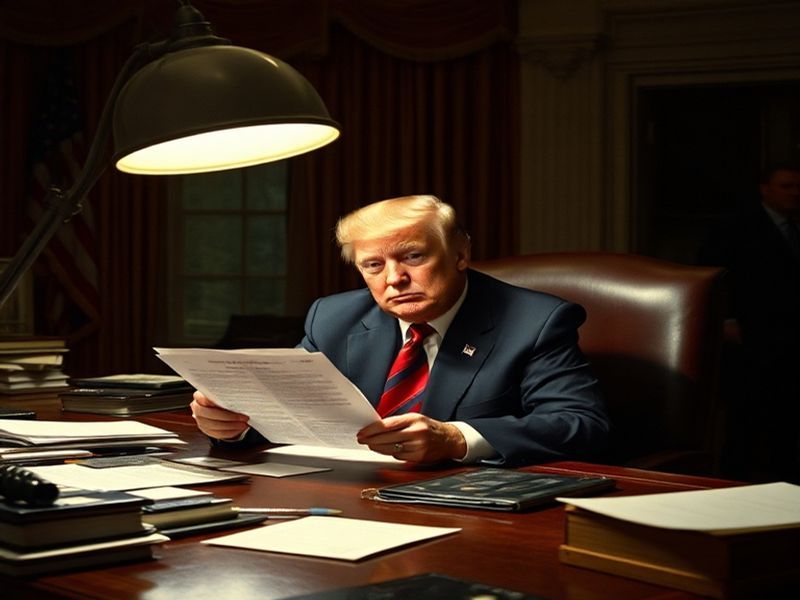
The recent unauthorized disclosure of classified documents from former President Donald Trump’s tenure has sent ripples through Washington and beyond. These leaks, which surfaced in multiple batches, include material from both his administration and post-presidency communications. The breadth and sensitivity of the information have raised concerns about national security and the handling of sensitive intelligence.
The leaks first emerged in early 2024, with portions appearing in major news outlets and on social media platforms. Unlike typical whistleblower disclosures, these leaks have been fragmented, making it difficult to determine their origin or full scope. What is clear is that they touch on classified programs, diplomatic communications, and internal deliberations that were never meant for public consumption.
The Nature of the Leaked Documents
The leaked materials span several categories, each with its own level of sensitivity. One of the most concerning batches includes intelligence reports related to ongoing covert operations. These documents detail methods, sources, and objectives that could compromise years of intelligence work if exposed.
Another set of leaks focuses on diplomatic cables, particularly those involving sensitive negotiations with foreign governments. These communications often include candid assessments of foreign leaders and strategies that, if revealed, could damage diplomatic relationships and undermine U.S. leverage in international affairs.
A third category involves internal White House deliberations from Trump’s presidency. These documents reveal the decision-making process behind major policy shifts, including military actions and trade agreements. Their release has sparked debates about executive privilege and the boundaries of transparency in government.
Not all the leaked information is classified, but the mix of sensitive and non-sensitive material has complicated efforts to assess the full impact of the disclosures.
Potential Sources and Motivations Behind the Leaks
Identifying the source of the leaks has proven challenging, as the information has surfaced through multiple channels. Some analysts suggest insider involvement, possibly from individuals with access to classified systems. Others speculate about external actors seeking to influence U.S. politics or destabilize trust in institutions.
A recent investigation by federal authorities has focused on several high-level officials who had access to the compromised documents. Investigators are examining digital footprints, including encrypted communications and unusual data transfers, to trace the leaks back to their origin.
Motivations behind the leaks vary widely. Some may be driven by political agendas, aiming to discredit Trump or his allies. Others could stem from genuine concerns about unchecked executive power or ethical violations within the government. The lack of a unified narrative has made it difficult to pinpoint a single motive.
What is evident is that the leaks have created a climate of suspicion, with officials scrutinizing their own ranks for potential vulnerabilities in security protocols.
The Legal and Security Fallout
The unauthorized disclosure of classified information is a federal crime under the Espionage Act. The Department of Justice has launched a full-scale investigation, coordinating with intelligence agencies to track the leaks and identify those responsible. Penalties for such offenses can include lengthy prison sentences, particularly if the leaks are deemed to have caused significant harm to national security.
In addition to legal repercussions, the leaks have exposed critical weaknesses in the government’s cybersecurity infrastructure. Agencies are now reviewing protocols for handling sensitive information, including access controls and monitoring systems. The incident has underscored the challenges of balancing transparency with the need to protect classified data.
Lawmakers have also weighed in, with some calling for stricter oversight of classified programs. Others have raised concerns about the politicization of leaks, noting that the timing of the disclosures aligns with key political events. The debate has reignited discussions about media responsibility in reporting leaked information, particularly when it involves unverified or incomplete data.
Public and Political Reactions
The leaks have triggered a polarized response from the public and political leaders alike. Supporters of Trump argue that the disclosures are part of a broader effort to undermine his influence, while critics see them as a necessary check on unaccountable power. Polls indicate that the public is divided, with many expressing concern about the implications for national security but also skepticism about the motives behind the leaks.
Congress has held hearings to examine the leaks, with lawmakers questioning intelligence officials about the adequacy of safeguards. Some have called for reforms to the classification system, suggesting that over-classification contributes to leaks by making the system cumbersome and opaque.
The media has played a complex role in the aftermath of the leaks. While some outlets have published redacted versions of the documents to inform the public, others have withheld sensitive details to avoid aiding potential adversaries. This has led to debates about journalistic ethics and the responsibility to report the truth while minimizing harm.
As the investigation continues, the full impact of the Trump leaks remains uncertain. What is clear is that they have exposed deep fissures in how classified information is managed and how leaks shape public discourse.
Key Takeaways from the Trump Leak Scandal
- The leaks include classified intelligence reports, diplomatic cables, and internal White House deliberations.
- Federal authorities are investigating multiple potential sources, with no single motive confirmed.
- The legal and security fallout could lead to reforms in how classified information is handled.
- Public and political reactions have been deeply divided, reflecting broader tensions over transparency and secrecy.
- The incident highlights the challenges of balancing national security with the public’s right to know.
Looking Ahead: What’s Next for the Investigation?
The investigation into the Trump leaks is far from over. Prosecutors are expected to pursue charges against those found responsible, though the process could take months or even years to complete. Meanwhile, intelligence agencies are reviewing their protocols to prevent future breaches.
For the public, the leaks serve as a reminder of the fragility of secrecy in government. While some information must remain classified to protect national interests, the sheer volume of sensitive material in circulation raises questions about whether the system is sustainable. As technology advances, the risk of leaks will likely grow, forcing policymakers to adapt.
Ultimately, the Trump leak scandal is about more than just a single disclosure—it’s a test of how a democracy balances transparency, security, and accountability in an era of unprecedented information flow.