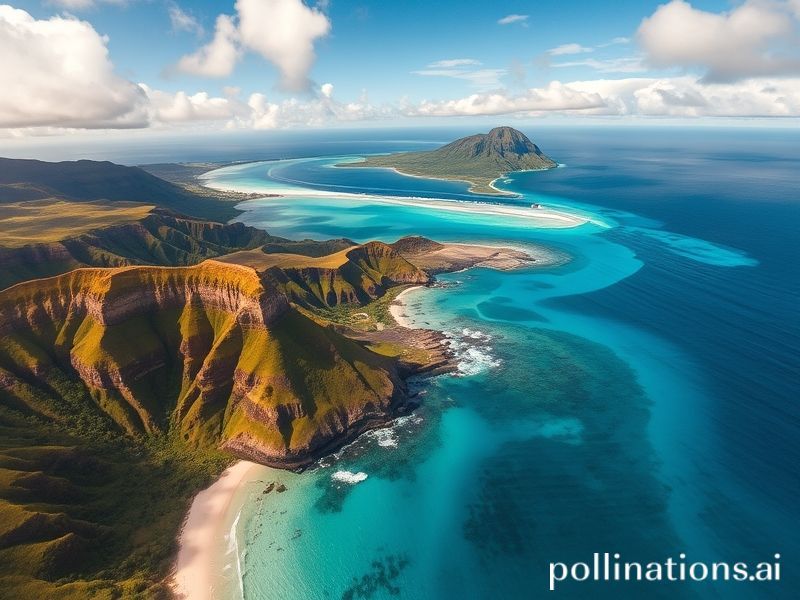
The Merrie Monarch Festival stands as a vibrant testament to the enduring spirit of Hawaiian culture. Held annually in Hilo, on the Big Island of Hawaii, this week-long event is more than a competition. It is a living museum of tradition, a stage for artistic expression, and a bridge connecting Hawaii’s past to its present. Since its inception in 1964, the festival has grown from a small local gathering into an internationally recognized celebration of hula, Hawaiian music, and indigenous arts.
What began as a tribute to King David Kalākaua—known as the “Merrie Monarch” for his love of music, dance, and festivity—has evolved into a cultural institution. The festival honors his legacy by showcasing the depth and diversity of Native Hawaiian performing arts. Today, it draws competitors and spectators from across the Pacific and beyond, making it one of the most anticipated events in Polynesian cultural preservation.
The Origins and Evolution of the Merrie Monarch Festival
The festival was founded by Helene Hale, a former Hawaii County executive, and a group of dedicated community leaders. Their goal was to revive and preserve hula, which had been suppressed during the 19th-century missionary era. By naming the event after King Kalākaua, they linked it to a pivotal figure in Hawaiian history who actively promoted hula and traditional arts during his reign from 1874 to 1891.
Initially, the festival featured a parade, a festoon contest, and hula performances. Over time, it transformed into a rigorous competition with strict rules and high artistic standards. The modern Merrie Monarch Festival now includes three primary hula competitions: Miss Aloha Hula, the Kahiko (ancient) hula division, and the ‘Auana (modern) hula division. Each category emphasizes different aspects of hula—storytelling, technique, costume, and musical accompaniment—reflecting the art form’s layered complexity.
The festival’s growth mirrors broader trends in cultural revitalization across the Pacific. Similar movements have emerged in New Zealand with the Te Matatini National Kapa Haka Festival and in Tahiti with the Heiva i Tahiti. Like its counterparts, Merrie Monarch serves as both a competitive platform and a cultural archive, ensuring that ancestral knowledge is passed to new generations.
A Global Stage for Hula and Hawaiian Identity
While rooted in local tradition, the Merrie Monarch Festival has gained global visibility. In 2019, over 10,000 spectators attended the event in person, and live broadcasts reached audiences in Japan, Canada, and the continental United States. International competitors now travel to Hilo each spring to test their skills against the world’s best hula dancers. This cross-cultural exchange has elevated the festival’s profile and fostered deeper appreciation for Hawaiian culture worldwide.
The festival also plays a key role in preserving the Hawaiian language. Performances are often conducted in ‘ōlelo Hawai‘i (Hawaiian language), and many dancers memorize chants (oli) and songs (mele) passed down through generations. These linguistic elements are not merely decorative; they carry historical narratives, genealogies, and spiritual connections to the land (ʻāina) and the ocean (kai).
For many Native Hawaiians, hula is not just an art form—it is a form of resistance and resilience. The festival’s continued success reflects a broader cultural renaissance that began in the mid-20th century and has accelerated in the 21st. Organizations like the Hawaiian Civic Club and the Office of Hawaiian Affairs have supported the festival as part of a larger effort to reclaim and celebrate indigenous identity in the face of historical marginalization.
The Competition Structure: Precision, Passion, and Protocol
The Merrie Monarch Festival is renowned for its exacting standards. Dancers are judged on posture, hand gestures, footwork, facial expression, and the emotional resonance of their performance. Judges—often respected kumu hula (hula teachers)—look for authenticity above all else. Costumes must be handcrafted and historically accurate, and instruments like the pahu drum and ipu must be played with traditional techniques.
The competition unfolds over three nights, each with a distinct focus:
- Thursday Night: Miss Aloha Hula – This solo competition showcases the festival’s top female dancer, who must demonstrate mastery of both Kahiko and ‘Auana styles. The title is considered one of the highest honors in hula.
- Friday Night: Kahiko Division – Performances in this category are accompanied only by chant and percussion. Dancers wear traditional attire such as pāpale (hats), lei, and kī leaf skirts. The emphasis is on storytelling and spiritual connection to ancestral traditions.
- Saturday Night: ‘Auana Division – This modern hula category allows for melodic singing and contemporary instruments like the guitar and ukulele. Themes often reflect personal stories, nature, or Hawaiian history. Costumes are more elaborate, featuring intricate lei and sashes.
Behind every competitor stands a kumu hula, a teacher who has dedicated years—often decades—to mastering the art. The student-teacher relationship is sacred in Hawaiian culture, built on trust, respect, and shared vision. Many kumu view the Merrie Monarch stage as a platform to inspire future generations, ensuring that hula remains a living tradition rather than a relic of the past.
Beyond the Stage: The Festival’s Cultural and Economic Impact
The Merrie Monarch Festival is a cornerstone of Hilo’s economy, generating millions in tourism revenue each year. Local hotels, restaurants, and artisans benefit from the influx of visitors, many of whom extend their stays to explore the island’s natural wonders. Yet the festival’s impact extends far beyond economics—it fosters community pride and intergenerational bonding.
For Native Hawaiians, the festival is a space of healing and affirmation. It provides a rare opportunity to gather in large numbers without the constraints of modern life. Families reconnect, elders share stories, and youth learn through observation and participation. The event also serves as a platform for social and political dialogue, addressing issues such as land rights, language revitalization, and environmental stewardship.
The festival’s commitment to authenticity has earned it respect from scholars and cultural practitioners worldwide. In 2020 and 2021, the festival adapted to the COVID-19 pandemic by hosting virtual competitions and online workshops, demonstrating its ability to evolve while staying true to its mission. These digital initiatives expanded access, allowing students in Japan, Australia, and the U.S. mainland to participate remotely.
Such adaptability underscores the festival’s relevance in a rapidly changing world. As climate change threatens coastal communities and tourism pressures reshape island life, events like Merrie Monarch offer a way to center cultural values over commercial ones. The festival reminds visitors that Hawaii is not just a destination—it is a living culture with deep roots and ongoing narratives.
A Lasting Legacy
The Merrie Monarch Festival endures because it remains deeply connected to its origins. It is not a commercial spectacle or a fleeting trend, but a ritual of remembrance and renewal. Each April, when dancers take the stage in Hilo, they are not just performing—they are keeping a promise to their ancestors, to their land, and to the Merrie Monarch himself.
For those who attend, the experience is transformative. The sound of chant echoing through Edith Kanakaʻole Stadium, the sight of dancers moving in unison, the scent of plumeria and ginger in the air—these sensory details create a memory that lingers long after the final bow. The festival does more than celebrate hula; it celebrates the spirit of aloha—a way of life rooted in love, respect, and harmony.
As Hawaii continues to navigate the challenges of the 21st century, the Merrie Monarch Festival stands as a beacon of cultural resilience. It reminds us that tradition is not a museum piece, but a living force—one that can inspire, heal, and unite across oceans and generations.