El Niño Explained: Weather Patterns and Global Consequences
“`html
Understanding El Niño: Weather Patterns and Global Impact
The El Niño-Southern Oscillation (ENSO) cycle is one of the most influential natural climate phenomena on Earth. Occurring every two to seven years, this irregular warming of surface waters in the eastern tropical Pacific Ocean disrupts weather patterns across the globe. While scientists have studied El Niño for decades, its mechanisms and consequences continue to reveal surprising complexities.
The Science Behind El Niño
El Niño develops when trade winds that normally blow east to west across the Pacific weaken or reverse direction. This shift allows warm water from the western Pacific to migrate eastward toward South America. The resulting changes in sea surface temperatures alter atmospheric circulation patterns, particularly the Walker Circulation, which connects the ocean and atmosphere.
These temperature shifts trigger a cascade of meteorological effects. The warm water displaces cooler, nutrient-rich waters that typically support marine ecosystems along the Peruvian coast. This can devastate local fisheries, particularly the anchovy industry, which depends on these cold upwellings. Meanwhile, the warmer ocean surface heats the air above it, creating powerful thunderstorms that release enormous amounts of energy into the atmosphere.
Key Characteristics of El Niño Events
- Duration: Typically lasts 9-12 months, though strong events can persist for up to 18 months
- Intensity: Measured by sea surface temperature anomalies; strong events exceed 1.5°C above average
- Frequency: Occurs irregularly every 2-7 years, with no fixed pattern
- Global reach: Impacts weather patterns from Southeast Asia to North America
- Predictability: Forecasts can be made 6-12 months in advance with moderate accuracy
Global Weather Disruptions
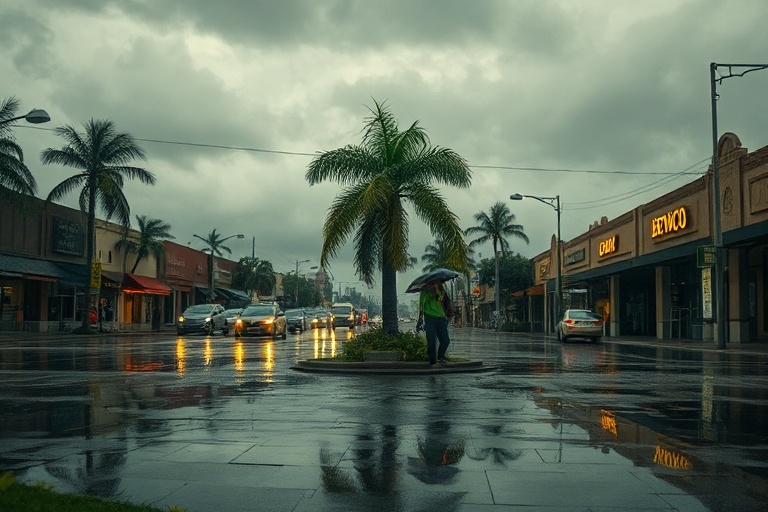
The atmospheric changes unleashed by El Niño create a domino effect of weather anomalies worldwide. In North America, the southern United States typically experiences wetter-than-average conditions during winter, while the northern states often see milder temperatures. The Pacific Northwest, usually known for its rain, may face drought conditions during strong El Niño events.
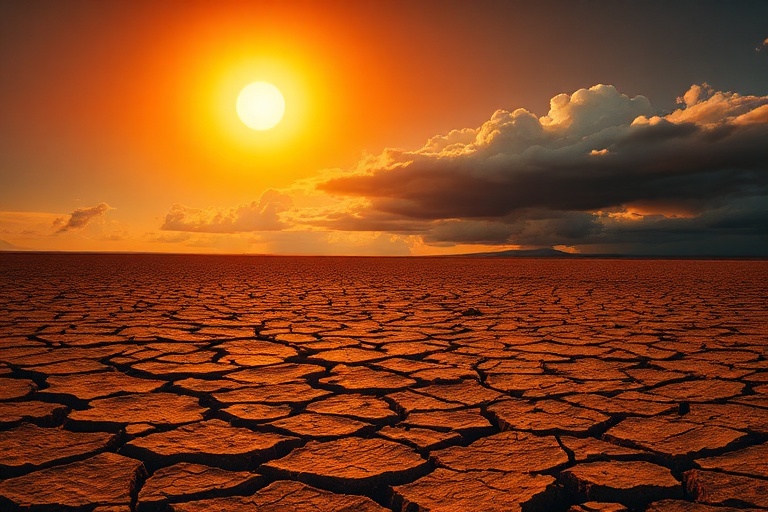
Across the Pacific, countries like Indonesia and Australia often suffer severe droughts, increasing wildfire risks. The 1997-1998 El Niño event, one of the strongest on record, contributed to devastating fires in Indonesia that blanketed Southeast Asia in thick smoke for months. Meanwhile, parts of South America experience increased rainfall, with Peru and Ecuador particularly vulnerable to flooding.
Africa’s weather patterns also respond dramatically to El Niño. Southern Africa frequently endures drought conditions, while East Africa may see excessive rainfall that leads to flooding and disease outbreaks. These patterns highlight how interconnected global weather systems have become under the influence of El Niño.
The Broader Implications of El Niño
Beyond immediate weather disruptions, El Niño events have far-reaching economic and humanitarian consequences. The agricultural sector bears significant impacts as changing rainfall patterns affect crop yields. In 2015-2016, one of the strongest El Niño events on record caused food shortages in Ethiopia, Malawi, and Zimbabwe, affecting millions of people.
The insurance industry also takes note of El Niño’s financial toll. The 1997-1998 event caused an estimated $35 billion in damages worldwide, making it one of the costliest natural disasters of the 20th century. More recently, the 2015-2016 El Niño contributed to $5.7 billion in insured losses across the United States alone.
Health systems face increased pressure during El Niño events as changing weather patterns create ideal conditions for disease outbreaks. Warmer temperatures and altered precipitation can expand the range of mosquitoes carrying diseases like malaria and dengue fever. The World Health Organization estimates that El Niño may have contributed to an additional 60,000 cases of malaria in Colombia during the 2015-2016 event.
Environmental Consequences
El Niño’s influence extends to marine ecosystems as well. The warm waters disrupt the food chain by reducing phytoplankton populations, which form the base of the ocean’s food web. This decline affects species from tiny zooplankton to massive whales, with cascading effects throughout marine food webs.
Coral reefs face particular vulnerability during El Niño events. The warmer ocean temperatures can trigger widespread coral bleaching, as seen during the 2015-2016 event when 90% of surveyed coral in some parts of the Great Barrier Reef experienced bleaching. While corals can recover from mild bleaching, severe events often lead to significant coral death.
Looking Ahead: The Future of El Niño
As global temperatures rise due to climate change, scientists are examining how El Niño events might evolve in the future. Some research suggests that stronger El Niño events could become more frequent, while others indicate that climate change might alter the patterns in unpredictable ways.
A 2023 study published in Nature Reviews Earth & Environment
found that extreme El Niño events could increase by 50% under high-emission scenarios. This would have profound implications for global weather patterns, potentially intensifying both droughts and flooding events worldwide.
However, the relationship between climate change and El Niño remains an active area of research. Some scientists argue that while the frequency of strong events may increase, the overall number of El Niño events could decrease. The complexity of these interactions underscores the need for continued monitoring and research.
Adaptation and Preparedness
Given El Niño’s significant impacts, governments and organizations worldwide are developing strategies to mitigate its effects. Early warning systems now provide several months of advance notice, allowing farmers to adjust planting schedules and communities to prepare for potential flooding or droughts.
International aid organizations have also improved their response mechanisms. The United Nations Office for the Coordination of Humanitarian Affairs maintains El Niño preparedness plans that include food security measures, water resource management, and disease surveillance systems.
For individuals living in regions affected by El Niño, awareness and preparation remain crucial. Simple measures like securing loose outdoor items before storm season, conserving water during drought periods, and staying informed through weather alerts can make a significant difference in personal safety and resilience.
As our understanding of El Niño continues to evolve, so too must our approaches to managing its impacts. The interplay between natural climate variability and human-induced climate change presents both challenges and opportunities for scientific advancement and global cooperation.
The next major El Niño event may be just around the corner. When it arrives, its effects will ripple across the planet, reminding us once again of the intricate connections between ocean, atmosphere, and human society. By studying these patterns and preparing for their consequences, we can build a more resilient future in the face of nature’s most powerful climate phenomena.
For more insights into climate patterns and their impacts, explore our Science and Analysis categories on Dave’s Locker.