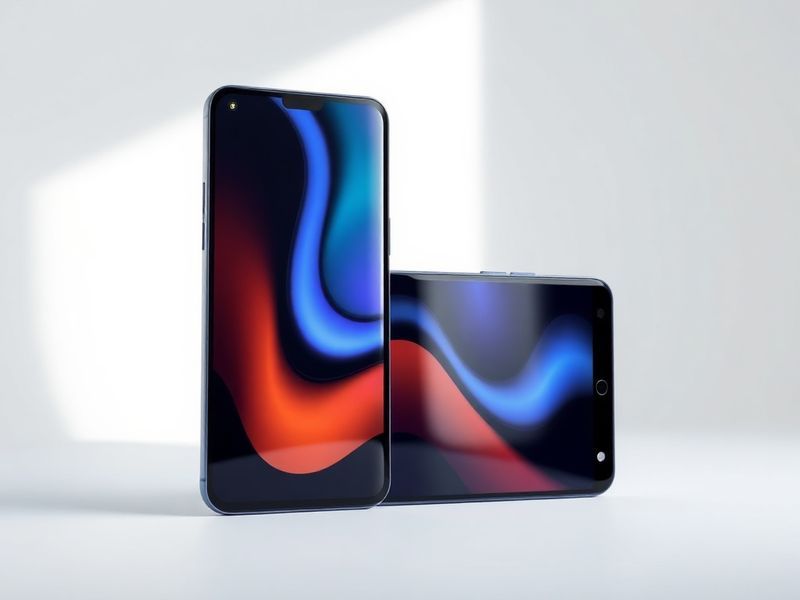
iPhone Fold: Apple Enters the Foldable Phone Market
“`html
iPhone Fold: Apple’s Bold Move Into Foldable Phones
The smartphone industry has reached another turning point. Apple’s long-anticipated entry into the foldable phone market signals a major shift in how we think about mobile devices. With years of speculation and rumors finally giving way to a concrete product, the iPhone Fold is poised to redefine expectations for build quality, software integration, and user experience.
This isn’t just about adding a new form factor. It’s about Apple responding to changing consumer habits, competitive pressure, and the natural evolution of display technology. Foldable phones have struggled to gain mainstream traction since their debut, but with Apple’s reputation for polish and ecosystem control, the iPhone Fold could change that narrative entirely.
The Evolution of Foldable Phones Before Apple’s Arrival
Foldable smartphones have been around for years, but their journey has been uneven. Samsung launched the Galaxy Fold in 2019, followed by the Z Fold series, which offered large internal screens for productivity and media. Huawei, Motorola, and others experimented with clamshell and book-style designs, each with varying degrees of success.
These early devices faced challenges: fragile hinges, expensive materials, and software that wasn’t optimized for dual-screen use. Consumers questioned whether foldables were a novelty or a necessity. Despite these hurdles, the market grew steadily, with shipments increasing by over 60% year-over-year in 2023, according to industry reports.
But Apple’s involvement changes everything. Known for refining existing concepts into polished products, Apple doesn’t just enter markets—it redefines them. The iPhone Fold isn’t just another foldable. It’s a statement that foldable phones have arrived as a legitimate category.
The iPhone Fold: What We Know So Far
While Apple has not officially confirmed all details, extensive leaks and analyst reports have painted a clear picture. The iPhone Fold is expected to feature a book-style design with a 7.5-inch internal OLED display and a smaller external cover screen for notifications and quick interactions.
Key features likely include:
- A custom-designed 3nm chipset for improved power efficiency and performance
- Advanced camera systems optimized for foldable form factors
- Reinforced hinges and a durable flexible display using sapphire glass
- iOS optimizations for multitasking, app continuity, and split-screen workflows
- Support for Apple Pencil Pro for note-taking and drawing on the larger screen
Analyst Ming-Chi Kuo suggests Apple may price the device at $1,499, positioning it as a premium luxury item rather than a mass-market product. This aligns with Apple’s strategy of maintaining high margins while targeting professionals and content creators who value screen real estate.
Software integration will be critical. Apple is expected to introduce new multitasking gestures, window resizing, and app continuity features that allow users to seamlessly transition from the external screen to the internal display. This could make the iPhone Fold more functional than previous foldables, which often felt like gimmicks.
Why Apple Is Entering the Foldable Market Now
Timing plays a crucial role in Apple’s decision. The foldable market reached 25 million units in 2023, a milestone that signals growing consumer acceptance. More importantly, Apple’s competitors have already set expectations for durability, display quality, and software experience.
By entering now, Apple avoids being a first-mover and instead becomes a fast follower with the refinements that only Apple can deliver. The company’s supply chain mastery, from glass suppliers to chip designers, ensures it can produce a foldable device that meets its exacting standards.
Another factor is stagnation in the smartphone market. Global shipments have plateaued, and innovation has slowed. Foldables represent one of the few remaining frontiers for meaningful product differentiation. Apple’s move validates the category while pushing others to raise their game.
There’s also the ecosystem advantage. For users already invested in Apple’s ecosystem—through iCloud, AirDrop, Continuity, and iPad integration—the iPhone Fold could become a natural extension of their digital workflow, especially for professionals who rely on large screens for editing, coding, or design.
Broader Implications for the Smartphone Industry
The iPhone Fold isn’t just a product launch. It’s a catalyst for industry-wide change. Here’s how:
- Standardization of Foldable Design: Apple’s influence could push competitors toward more consistent designs, better hinge mechanisms, and longer-lasting displays. The industry has lacked a clear leader in foldables—Apple could fill that role.
- Shift in Consumer Expectations: Users may begin to see foldables not as experimental gadgets but as viable alternatives to traditional smartphones. This could accelerate adoption across price tiers.
- Software and App Development Evolution: Developers will need to optimize apps for dual-screen interfaces, window management, and multitasking. This could lead to richer, more productive mobile experiences.
- Supply Chain Transformation: Component manufacturers will need to scale production of flexible OLEDs, ultra-thin glass, and advanced cooling systems to meet Apple’s volume and quality demands.
Yet challenges remain. Battery life in foldables has historically lagged behind traditional smartphones. Durability concerns—especially around the hinge and crease—still linger. And at premium price points, affordability could limit adoption to early adopters and professionals.
Still, Apple’s track record suggests it will address these issues through material science and software optimizations. The real question isn’t whether the iPhone Fold will succeed—but how it will reshape the competitive landscape.
A New Chapter for Smartphones
The iPhone Fold arrives at a pivotal moment. Smartphones are no longer just communication devices; they’re portable computers, entertainment hubs, and creative tools. Foldable design offers a way to expand functionality without increasing device size.
Apple’s entry validates foldables as a mainstream category. It also raises the bar for every competitor. If the iPhone Fold delivers on its promise—durability, seamless software, and real-world utility—it could become the device that finally makes foldables indispensable.
For consumers, the message is clear: the future of smartphones is flexible. And with Apple leading the charge, that future looks closer than ever before.
As the launch approaches, one thing is certain: the smartphone wars are about to get a lot more interesting.
Stay tuned to Dave’s Locker Technology for in-depth reviews and analysis when the iPhone Fold hits the market.