Tornado Sirens Explained: History, Technology & Global Use
“`html
The Global Language of Tornado Sirens: History, Technology, and Community Response
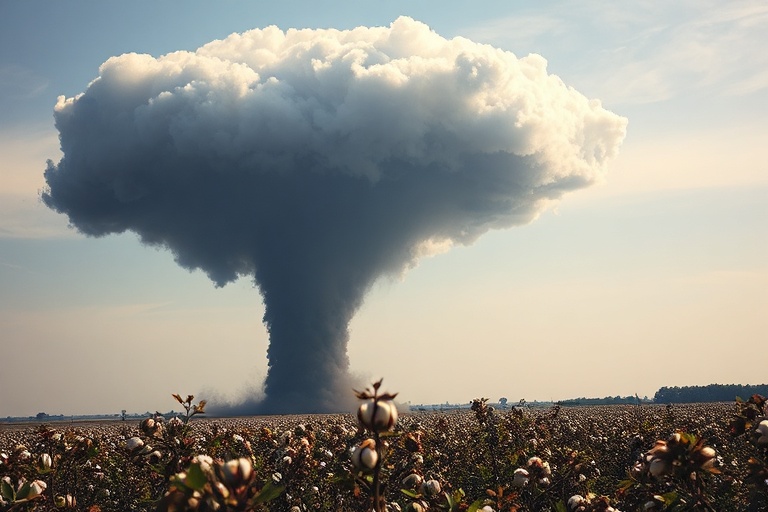
The tornado siren stands as one of the most recognizable emergency alert systems in the world. Its wailing howl cuts through the air during severe weather, signaling danger and prompting immediate action. Though often associated with the central United States—part of the region famously dubbed “Tornado Alley”—these sirens are used in various forms across the globe, adapted to local needs and cultural contexts.
Sirens have evolved far beyond their original purpose. Today, they represent a blend of engineering, public safety policy, and community resilience. Their enduring presence reflects both the persistence of natural threats and humanity’s ongoing effort to protect lives through technology and early warning systems.
The Origins and Evolution of the Tornado Siren
The concept of the outdoor warning siren dates back to the early 20th century. One of the first documented uses was in the 1920s, when civil defense agencies sought ways to alert communities to air raids during wartime. After World War II, many of these systems were repurposed for natural disasters, including tornadoes.
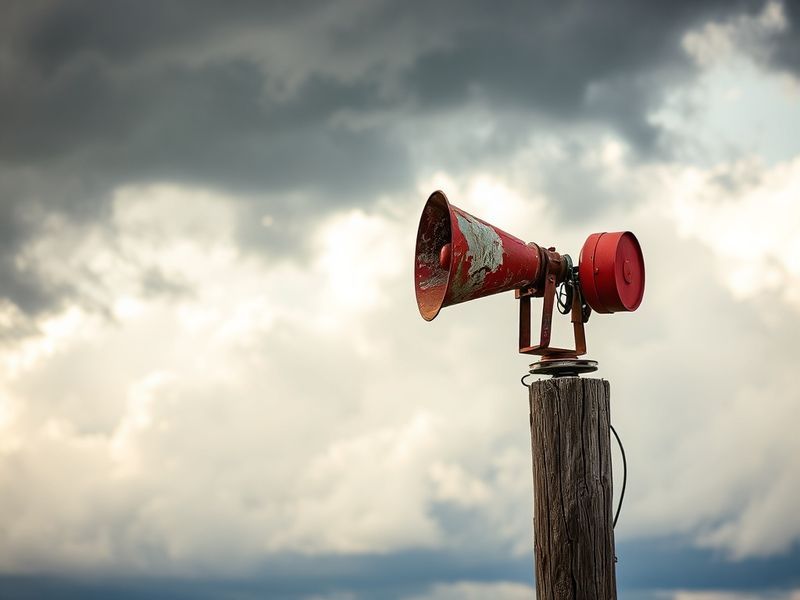
The mechanical siren, with its rotating fan-like blades and ear-splitting wail, became a staple in American towns by the 1950s and 1960s. These sirens were loud—often exceeding 120 decibels—designed to be heard outdoors across several miles. They operated on electrical or diesel power and were triggered by local weather observers or automated systems as storms approached.
By the 1980s and 1990s, electronic sirens began to replace mechanical ones. These systems used digital tones and could broadcast voice messages, providing more specific information about the threat. In some regions, sirens are now integrated with smartphone alerts, NOAA Weather Radio, and emergency broadcast networks, creating layered systems of communication.
Global Variations in Siren Systems
While the tornado siren is most closely tied to the U.S., other countries use similar systems for different hazards. In Japan, for instance, community loudspeakers—often mounted on utility poles—emit warnings for earthquakes, tsunamis, and typhoons. These systems are deeply embedded in local infrastructure and culture, with messages delivered in the local dialect.
In Europe, outdoor sirens are more commonly used for civil defense rather than weather. Countries like Germany and the Netherlands maintain siren networks primarily for chemical spills, nuclear incidents, or wartime emergencies. These systems are tested regularly, often on fixed schedules, reinforcing public familiarity.
In India, where cyclones pose a major threat, siren towers are strategically placed along coastal districts. During cyclone season, a distinct pattern of siren blasts—ranging from steady wails to intermittent bursts—signals different levels of danger, from “alert” to “evacuate immediately.” These systems are operated by local disaster management authorities and are crucial in saving lives during cyclones like Fani (2019) and Amphan (2020).
How Tornado Sirens Work: Technology and Activation
Modern tornado siren systems are a blend of hardware, software, and human coordination. Most consist of three key components:
- Control Units: These are typically housed in emergency management offices or fire stations. They allow officials to activate sirens manually or automatically via weather data feeds.
- Siren Towers: Tall structures, often 20 to 40 feet high, equipped with rotating or electronic horns. They are spaced to ensure overlapping coverage across a city or county.
- Power and Communication Networks: Sirens must remain operational during power outages. Many use battery backups, solar panels, or even dedicated generators. Some newer models connect via cellular or radio networks to receive real-time alerts from meteorological agencies.
Activation is usually automated. When a tornado warning is issued by the National Weather Service in the U.S., for example, the warning is sent to local emergency management, which then triggers the siren network. In some areas, such as parts of the Midwest, sirens may sound even for severe thunderstorm warnings with the potential for damaging winds or hail large enough to cause injury.
However, the system isn’t perfect. False alarms—sometimes triggered by operator error or outdated weather models—can lead to “siren fatigue.” Residents may begin to ignore warnings if sirens sound too often without consequence. This has prompted many communities to refine their activation criteria and improve public education on when to take shelter.
Cultural and Psychological Impact: More Than Just Noise
The sound of a tornado siren carries emotional weight. It is not merely a technical signal; it is a cultural cue, a shared experience etched into the collective memory of communities. In the American South and Midwest, the siren’s wail is a sound of childhood drills, of family gatherings interrupted, of urgent glances at weather radios.
In Japan, where earthquake sirens are common, the tone is softer and more rhythmic. It is designed to convey urgency without panic, rooted in a cultural emphasis on calm and preparedness. Similarly, in Scandinavian countries, where civil defense drills are routine, the siren is normalized as part of civic responsibility.
Psychologically, the siren triggers the “startle reflex,” a primal response to sudden loud noises. This reaction is evolutionarily designed to prepare the body for action—fight or flight. In the context of a tornado warning, this reflex is vital. It prompts people to move to a safe space immediately, potentially saving lives.
Yet, over time, repeated exposure to sirens—especially in areas with frequent false alarms—can dull this response. That’s why communities are increasingly combining sirens with other alerts, such as smartphone notifications, text messages, and door-to-door warnings from emergency responders.
The Future of Tornado Sirens: Integration and Innovation
The future of tornado sirens lies in integration. As technology advances, so does the ability to deliver targeted, real-time warnings. Many U.S. cities now use “smart siren” systems that can activate only for specific zones within a county, reducing unnecessary alerts for areas not at risk.
Emerging systems also include:
- AI-Powered Forecasting: Machine learning models analyze atmospheric data in real time, predicting tornado formation with greater accuracy and triggering sirens only when necessary.
- Community Alert Networks: Platforms like CodeRED and Everbridge allow emergency managers to send voice, text, and email alerts directly to residents, supplementing siren warnings.
- Solar-Powered Sirens: In remote or disaster-prone areas, solar-powered sirens with satellite communication ensure functionality even when power grids fail.
Despite these advancements, the siren remains a cornerstone of public safety. It is a tangible link between technology and human instinct—a reminder that even in an age of digital alerts, sometimes the oldest systems are the most reliable.
As climate change increases the frequency and intensity of severe weather, the need for effective warning systems has never been greater. Tornado sirens, in all their forms, continue to serve as a vital line of defense—one that connects past, present, and future in the fight to protect lives.
Cities and towns around the world are learning from each other: adopting best practices, refining activation protocols, and investing in both technology and education. The siren’s wail may be a sound of alarm, but it is also a sound of resilience—a community’s commitment to standing ready, no matter the storm.