How Marine Traffic Shapes Global Trade and Culture
“`html
What Is Marine Traffic and Why Does It Matter?
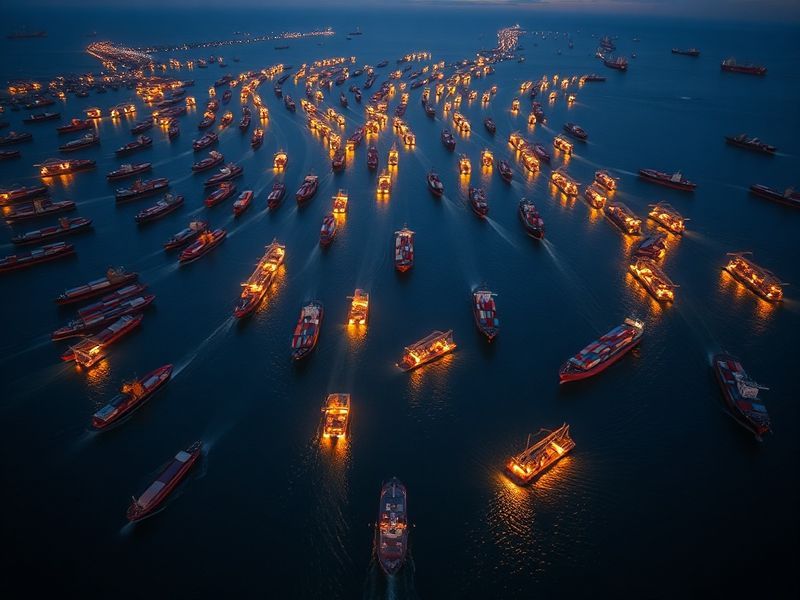
Every day, thousands of ships crisscross the world’s oceans, carrying goods that fuel economies and connect continents. This constant movement is tracked through marine traffic, a term that refers to the real-time monitoring of vessels at sea. From massive cargo ships to sleek private yachts, every ship broadcasts its location, speed, and route through an Automatic Identification System (AIS). These signals are collected by satellites and ground stations, then displayed on interactive maps used by shipping companies, port authorities, and even curious observers.
Marine traffic is not just about tracking ships—it reflects global trade, environmental impact, and even geopolitical tensions. The busiest shipping lanes, such as the Strait of Malacca and the Suez Canal, handle millions of tons of cargo annually. Delays or disruptions in these corridors can ripple across supply chains, affecting everything from electronics to food prices. Understanding marine traffic helps businesses anticipate delays, governments manage maritime security, and researchers study environmental risks like oil spills or illegal fishing.
For the average person, marine traffic might seem like a niche interest. Yet, it offers a fascinating window into how the modern world operates. Whether you’re a traveler curious about cruise ship routes or a student of global economics, the patterns of marine traffic reveal much about our interconnected planet.
The Technology Behind Tracking Ships
Tracking marine traffic relies on a combination of satellite networks, ground-based receivers, and sophisticated software. The backbone of this system is the AIS, a VHF radio technology that broadcasts a ship’s identity, position, course, and speed every few seconds. Large vessels are legally required to use AIS, while smaller boats often use it voluntarily for safety.
Satellite-based AIS systems, like those operated by companies in the technology sector, extend coverage to remote ocean regions where ground stations can’t reach. These satellites collect signals from ships and transmit them to data centers, where they are processed and displayed on interactive maps. Popular platforms like MarineTraffic and FleetMon aggregate this data, offering user-friendly interfaces for anyone to explore.
The technology behind marine traffic tracking has evolved significantly. Early systems relied on basic radar and manual reporting, but today’s solutions use machine learning to predict routes, detect anomalies, and even identify potential collisions before they happen. This level of detail is crucial for preventing accidents and improving maritime safety.
How AIS Data Is Collected and Used
AIS data serves multiple purposes beyond simple tracking. Shipping companies use it to optimize routes, reduce fuel consumption, and comply with international regulations. Ports rely on it to manage congestion and schedule arrivals efficiently. Governments employ AIS data to monitor territorial waters, combat piracy, and enforce environmental laws.
Environmental organizations also tap into marine traffic data to study its impact on marine life. For example, research has shown that ship strikes are a major threat to endangered whales. By analyzing traffic patterns, conservationists can recommend changes to shipping lanes that minimize harm to wildlife.
The data isn’t just for professionals, though. Enthusiasts and hobbyists use marine traffic platforms to satisfy their curiosity. Whether tracking a famous explorer’s vessel or watching a cruise ship glide past a tropical island, the ability to observe global shipping in real time has democratized maritime exploration.
The Cultural Significance of Marine Traffic
Marine traffic is more than a logistical marvel—it shapes cultures and economies around the world. In port cities like Rotterdam, Singapore, and Los Angeles, shipping is the lifeblood of local industries. These cities thrive because of their ability to handle vast quantities of cargo, and their identities are often tied to their maritime heritage.
In some cultures, ships hold deep symbolic meaning. The Vikings, for instance, viewed their longships as symbols of exploration and power. Today, modern cruise ships evoke a sense of adventure and luxury, attracting millions of passengers each year. The rise of cruise tourism has transformed coastal communities, creating jobs and boosting local economies.
Marine traffic also intersects with art and storytelling. Writers like Joseph Conrad and Herman Melville explored themes of isolation and adventure at sea, while films like Titanic and Master and Commander romanticized life on the waves. Even in digital spaces, marine traffic inspires creativity—video games like Assassin’s Creed IV: Black Flag and simulation games let players navigate historically accurate ship routes.
The Human Side of Marine Traffic
Behind every ship on the map is a crew of sailors, engineers, and captains who work tirelessly to keep global trade moving. Life at sea is challenging—long hours, rough conditions, and limited contact with loved ones are just a few of the realities these workers face. Yet, their efforts are essential to the functioning of the modern world.
For many seafarers, ports become temporary homes, offering glimpses into different cultures. A cargo ship’s journey might take it from Shanghai to Rotterdam, passing through cultures as diverse as those in the Middle East or North Africa. These interactions foster a sense of global interconnectedness that is often overlooked in everyday life.
Marine traffic also highlights issues of labor and ethics. Many shipping companies operate under flags of convenience, registering vessels in countries with lax labor laws to cut costs. This practice has led to concerns about worker exploitation and unsafe working conditions. Advocacy groups are pushing for reforms to ensure fair treatment for seafarers worldwide.
The Future of Marine Traffic
The future of marine traffic is being shaped by technological innovation and environmental imperatives. One of the most significant trends is the push toward autonomous ships. Companies like Rolls-Royce and Sea Machines are developing vessels that can navigate without a human crew, promising to reduce costs and improve safety. However, autonomous shipping also raises questions about job displacement and cybersecurity risks.
Environmental concerns are driving another major shift. The shipping industry is a significant contributor to greenhouse gas emissions, and regulators are tightening emissions standards. To comply, many companies are turning to alternative fuels like hydrogen, ammonia, or biofuels. These innovations could transform marine traffic into a more sustainable industry.
On the horizon, artificial intelligence and big data are expected to revolutionize how marine traffic is managed. Predictive analytics could help ports reduce wait times, while AI-driven systems might detect illegal activities like smuggling or unauthorized fishing. The integration of blockchain technology could also streamline shipping documentation, making global trade faster and more transparent.
Challenges and Opportunities Ahead
The future of marine traffic is not without its challenges. Geopolitical tensions, such as the conflict in Ukraine, have disrupted shipping routes and highlighted the vulnerabilities of global supply chains. Climate change poses another threat, as rising sea levels and extreme weather events could force rerouting of major shipping lanes.
Yet, these challenges also present opportunities. The transition to greener shipping could create new industries and jobs, from manufacturing alternative fuels to retrofitting existing vessels. Innovations in marine traffic technology could also improve safety and reduce accidents, making the seas a safer place for both workers and the environment.
For enthusiasts and professionals alike, the future of marine traffic offers endless possibilities. Whether through cutting-edge technology or a deeper understanding of our interconnected world, the study of marine traffic continues to reveal new insights into how humanity navigates the planet.
Conclusion
Marine traffic is a vital yet often overlooked aspect of our globalized world. It connects continents, fuels economies, and shapes cultures in ways that are both visible and invisible. From the technology that tracks ships to the human stories behind the voyages, marine traffic offers a rich tapestry of insights into how we live, work, and interact with the planet.
As technology advances and environmental concerns grow, the future of marine traffic will be defined by innovation and adaptation. Whether you’re a sailor, a business owner, or simply someone fascinated by the sea, understanding marine traffic provides a deeper appreciation for the invisible threads that bind our world together.