Exploring the Lyrid Meteor Shower: History and Viewing Tips
Understanding the Lyrid Meteor Shower
The Lyrid meteor shower is an annual celestial event that captivates skywatchers around the globe. Occurring each April, it is one of the oldest recorded meteor showers, with documented observations dating back over 2,700 years. Named after the constellation Lyra, the Lyrids are known for their bright meteors and occasional fireballs, making them a favorite among amateur astronomers and casual stargazers alike.
The Science Behind the Lyrids
The Lyrid meteor shower is associated with the comet C/1861 G1 Thatcher, which orbits the Sun approximately every 415 years. As the Earth passes through the debris left behind by the comet, these particles enter our atmosphere at high speeds, creating the stunning streaks of light we see during the meteor shower. Typically, the Lyrids can produce about 10 to 20 meteors per hour under optimal conditions.
What makes the Lyrids particularly interesting is their unpredictability. While the average rate remains consistent, there have been years when the shower has produced bursts of activity, with rates exceeding 100 meteors per hour. This variability adds an element of excitement, as observers never know what to expect.
Viewing the Lyrid Meteor Shower
To experience the beauty of the Lyrid meteor shower, several key factors should be considered:
- Timing: The shower peaks around April 22 each year. Planning your viewing for the night of the peak will yield the best results.
- Location: Find a dark area away from city lights. Light pollution can significantly reduce visibility.
- Weather: Clear skies are essential. Check local forecasts in advance to avoid disappointment.
- Preparation: Bring a blanket or reclining chair for comfort. Dress warmly, as nights in April can be chilly.
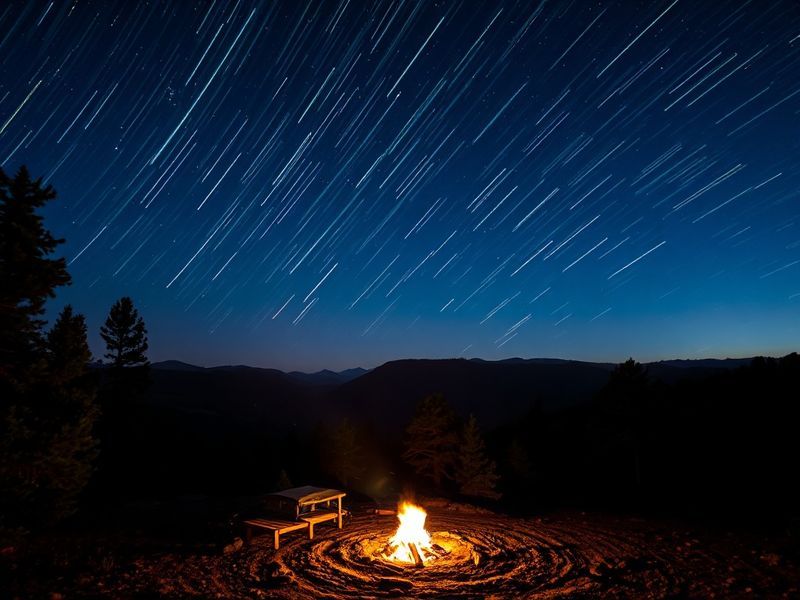
Once settled in a good location, lie back and allow your eyes to adjust to the darkness. The meteors can appear in any part of the sky, so take in the entire celestial canvas.
Cultural Significance of the Lyrids
The Lyrid meteor shower has inspired various cultural interpretations and traditions throughout history. In ancient China, it was noted in texts as early as 687 BC, where it was referred to as “the shower of the Lyrids.” These meteors were believed to be omens, often associated with significant events or changes in leadership.
In modern times, the Lyrids continue to capture the imagination. Stargazers often gather for viewing parties, sharing stories and experiences. This communal aspect of meteor watching creates a sense of connection among participants, fostering a shared appreciation for the wonders of the universe.
Moreover, the Lyrids serve as a reminder of our place in the cosmos. They encourage us to step outside our daily routines and look up, contemplating not only the beauty of the night sky but also the vastness of space and time. Whether through personal reflection or communal gatherings, the Lyrid meteor shower connects people across cultures and generations.
Conclusion
The Lyrid meteor shower offers a unique opportunity to witness the beauty of the universe. Its historical significance, combined with the thrill of observing meteors streaking across the night sky, makes it a cherished event for many. Whether you are an avid astronomer or a casual observer, taking the time to watch the Lyrids can be a rewarding experience. Prepare accordingly, find a dark place, and enjoy the show as the Earth passes through the remnants of a distant comet.
For more insights on celestial events and the wonders of space, explore our Science section on Dave’s Locker.