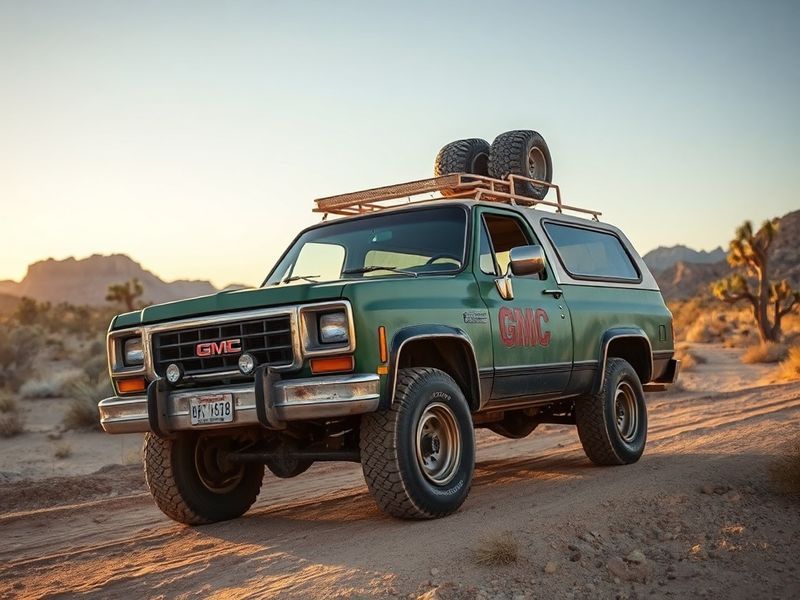
The GMC Jimmy stands as one of the most recognizable names in the history of American SUVs. Introduced in 1982 as a two-door variant of the Chevrolet S-10 Blazer, the Jimmy carved out its own identity with rugged styling, off-road capability, and a durable reputation that endures among enthusiasts today. Over its two-decade production run, the Jimmy evolved from a utilitarian workhorse to a family-friendly vehicle, reflecting broader shifts in the automotive landscape.
What made the Jimmy particularly noteworthy was its blend of practicality and adventure. Unlike many of its contemporaries, it offered a balance between on-road comfort and off-road tenacity. This versatility ensured its place not just in garages across the country, but also in the hearts of outdoor enthusiasts, tradespeople, and suburban families alike.
The Origins and Early Years of the GMC Jimmy
The GMC Jimmy debuted in 1982 as a two-door model built on the General Motors S-10 pickup platform. It shared mechanical underpinnings with the Chevrolet S-10 Blazer, but GMC gave it a distinct identity with a more upscale interior and a focus on durability. The name “Jimmy” was a nod to GMC’s long-standing tradition of naming trucks after notable figures—though the origin of the name remains a subject of debate among historians.
Early Jimmys featured a simple yet robust design. The first generation (1982–1991) offered a choice of engines, including a 2.5-liter four-cylinder and a 2.8-liter V6, paired with either a four-speed manual or a four-speed automatic transmission. Four-wheel drive was available, enhancing the Jimmy’s appeal to those who needed to venture off paved roads. With a boxy silhouette and minimalistic styling, the Jimmy looked every bit the utilitarian vehicle it was designed to be.
During this period, the Jimmy was marketed as a no-frills, hardworking SUV. It wasn’t flashy, but it was reliable—a trait that quickly won over tradespeople and rural drivers. The two-door model dominated early sales, appealing to buyers who prioritized function over form. By the late 1980s, however, consumer demand was shifting toward more comfortable, family-oriented vehicles, prompting GMC to reconsider the Jimmy’s role in its lineup.
The Evolution of Comfort and Capability (1992–2005)
The second generation of the GMC Jimmy, launched in 1992, marked a significant transformation. Gone was the utilitarian two-door model (though it would briefly return in later years), replaced by a four-door SUV designed for both daily driving and weekend adventures. The new Jimmy featured a longer wheelbase, improved interior comfort, and updated styling that aligned with 1990s automotive trends.
Under the hood, GMC introduced more powerful engine options, including a 4.3-liter V6 that became a favorite among enthusiasts for its torque and reliability. The addition of an available four-speed automatic transmission further refined the driving experience. GMC also expanded the Jimmy’s appeal by offering amenities such as air conditioning, power windows, and even optional leather upholstery in higher trims.
One of the most notable variants of this generation was the GMC Jimmy Syclone, a limited-edition performance SUV released in 1991. Based on the first-generation model, the Syclone featured a turbocharged 4.3-liter V6 producing 280 horsepower, all-wheel drive, and a sport-tuned suspension. With a 0–60 mph time of just 4.3 seconds, it remains one of the fastest SUVs of its era and a highly sought-after collector’s item today.
The third generation (1999–2005) continued the Jimmy’s evolution into a more modern SUV. This version introduced a unibody construction (shared with the Chevrolet TrailBlazer), which improved ride quality and reduced noise. The interior became even more refined, with available features like a premium audio system, navigation, and heated seats. Despite these upgrades, the Jimmy retained its off-road credentials with available four-wheel-drive systems and skid plates.
Legacy and Cultural Impact
The GMC Jimmy’s legacy extends beyond its sales figures. It played a pivotal role in popularizing the mid-size SUV segment in the United States, paving the way for models like the Ford Explorer and Jeep Grand Cherokee. Its reputation for durability and versatility made it a favorite among contractors, campers, and families, earning it a place in American automotive culture.
In pop culture, the Jimmy made appearances in films, television shows, and music videos, often symbolizing rugged individualism. Its boxy, no-nonsense design became iconic, representing a time when SUVs were still seen as practical tools rather than symbols of excess. Even as modern SUVs have evolved into sleek, high-tech vehicles, the Jimmy’s legacy endures among collectors and enthusiasts who restore and preserve these classic SUVs.
Today, the GMC Jimmy is a sought-after collectible, particularly the Syclone and Typhoon variants. These rare models, with their unique styling and performance credentials, command high prices at auctions. The standard Jimmys from the 1990s and early 2000s are also gaining popularity as affordable, capable SUVs for off-road enthusiasts. Online communities and restoration forums dedicated to the Jimmy continue to thrive, ensuring its place in automotive history.
What Made the GMC Jimmy Stand Out?
The GMC Jimmy’s enduring appeal can be attributed to several key factors:
- Durability: Built with heavy-duty frames and robust engines, the Jimmy was designed to withstand years of hard use. Many examples remain on the road today, a testament to GMC’s engineering.
- Versatility: Whether equipped with a two-door body for utility or a four-door model for family use, the Jimmy adapted to a wide range of needs.
- Off-Road Capability: With available four-wheel drive and rugged components, the Jimmy was equally at home on construction sites and forest trails.
- Cultural Significance: The Jimmy became more than just a vehicle; it was a symbol of American adventure and self-reliance.
While later generations of the Jimmy shifted toward more car-like comforts, the early models remain beloved for their simplicity and character. For those who grew up with a Jimmy in the driveway, it’s more than just a vehicle—it’s a connection to a time when SUVs were built to last.
Conclusion: A Timeless SUV
The GMC Jimmy’s story is one of evolution and adaptation. From its humble beginnings as a two-door workhorse to its transformation into a family-friendly SUV, the Jimmy reflected the changing needs and tastes of American drivers. Its blend of durability, capability, and character ensured its place in automotive history, and its legacy continues to inspire new generations of SUV enthusiasts.
For collectors, the Jimmy represents a golden era of utilitarian design and raw performance. For everyday drivers, it remains a symbol of reliability and adventure. As the automotive industry continues to shift toward electric and autonomous vehicles, the GMC Jimmy stands as a reminder of a time when SUVs were built with a clear purpose: to go anywhere, carry anything, and last for years.
Whether you’re a fan of classic trucks or simply appreciate well-built vehicles, the GMC Jimmy deserves recognition as one of the most influential SUVs of its era. Its story is far from over, and its impact on the automotive world will be felt for generations to come.