Discover Brantley County Georgia: History, Nature & Local Life
“`html
Brantley County, Georgia: A Hidden Gem in the Coastal Plain
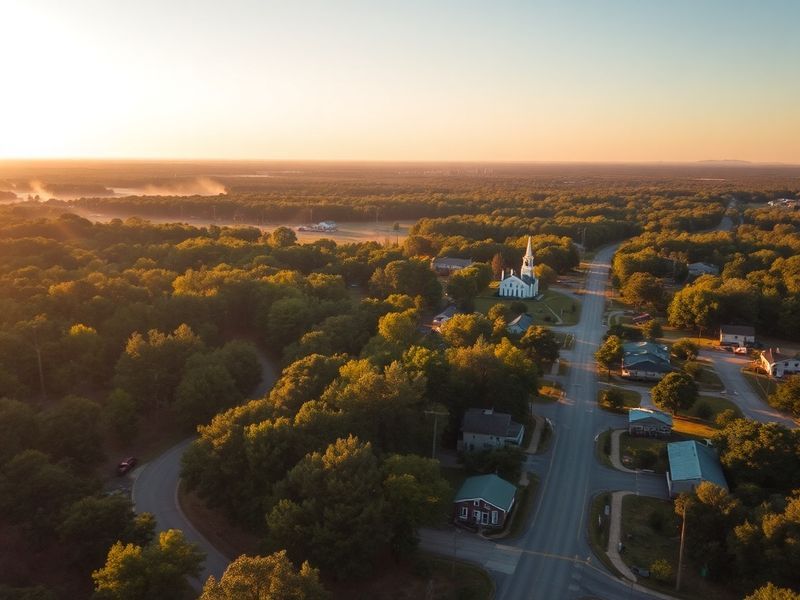
Nestled in the southeastern corner of Georgia, Brantley County often flies under the radar despite its rich history and natural beauty. Bordered by the Okefenokee Swamp to the west and the Atlantic Ocean just an hour’s drive east, this rural county offers a unique blend of quiet charm and outdoor adventure. With a population of around 18,000, Brantley County is one of Georgia’s least densely populated areas, making it an ideal destination for those seeking to escape the hustle of urban life.
History and Founding
Brantley County was established in 1920 from portions of Charlton, Pierce, and Ware counties, making it one of Georgia’s younger counties. It was named after Benjamin Daniel Brantley, a prominent state legislator and judge from Ware County. The area’s history, however, stretches back much further, with evidence of Native American settlements, including the Timucua and Guale tribes, who once inhabited the region.
The arrival of European settlers in the 18th century brought changes to the landscape, as plantations and timber industries began to take hold. By the 19th century, agriculture—particularly cotton and tobacco—dominated the local economy. Today, remnants of this past can still be seen in the county’s historic homes and rural landscapes, offering a glimpse into Georgia’s agricultural heritage.
One of the county’s most notable historical sites is the Brunswick & Western Railroad, which played a crucial role in the county’s development during the early 20th century. The railroad facilitated the transport of timber, agricultural goods, and passengers, connecting Brantley County to larger markets in Savannah and Jacksonville. While much of the original line has been abandoned or repurposed, sections of it remain in use, serving as a reminder of the county’s industrial past.
Natural Wonders and Outdoor Recreation
Brantley County is a paradise for outdoor enthusiasts, thanks to its proximity to the Okefenokee Swamp and the Satilla River. The Okefenokee, one of the largest freshwater wetlands in North America, offers unparalleled opportunities for kayaking, fishing, and wildlife viewing. Visitors can explore its labyrinthine waterways by renting a canoe or joining a guided tour, where they might spot alligators, herons, and even the elusive Florida black bear.
The Satilla River, which flows through the heart of Brantley County, is another natural gem. Known for its scenic beauty and abundant bass and catfish populations, the river attracts anglers from across the region. Local outfitters provide fishing guides and equipment rentals, making it easy for beginners to experience the thrill of landing a big catch. Along the riverbanks, campers can pitch tents or rent cabins, immersing themselves in the tranquility of Georgia’s wilderness.
For those who prefer land-based adventures, Brantley County offers miles of hiking trails, including sections of the Georgia Coast & Altamaha Heritage Trail. This long-distance trail winds through pine forests, hardwood hammocks, and alongside the Satilla River, showcasing the region’s diverse ecosystems. Birdwatchers will delight in the variety of species that call the area home, from warblers and woodpeckers to the occasional bald eagle.
- Okefenokee Swamp: A UNESCO-recognized wetland offering kayaking, fishing, and wildlife tours.
- Satilla River: A prime fishing destination with scenic riverbanks perfect for camping and picnicking.
- Georgia Coast & Altamaha Heritage Trail: A multi-use trail for hiking, biking, and nature observation.
- Traditional Grounds Public Fishing Area: A 1,000-acre lake stocked with bass, crappie, and catfish.
Economy and Community Life
Brantley County’s economy has evolved significantly over the past century. While agriculture and timber remain important industries, manufacturing and logistics have become increasingly vital to the local workforce. Companies like Georgia-Pacific and several smaller manufacturers operate in the area, providing stable employment opportunities. Additionally, the county’s location along U.S. Highway 84 and near Interstate 95 makes it a strategic hub for transportation and distribution.
Despite its rural character, Brantley County boasts a tight-knit community with a strong sense of pride. The county seat, Nahunta, serves as the cultural and economic center, home to local businesses, schools, and government offices. Annual events like the Brantley County Fair and the Okefenokee Heritage Festival draw visitors from neighboring counties, celebrating the area’s heritage and fostering community spirit.
Education in Brantley County is provided by the Brantley County School District, which operates several elementary, middle, and high schools. The district has made strides in recent years to improve facilities and academic performance, though challenges remain in attracting and retaining qualified teachers in a rural setting. Local organizations, such as the Brantley County Development Authority, are working to address these issues by promoting economic growth and improving infrastructure.
Challenges and Opportunities
Like many rural counties in Georgia, Brantley faces challenges such as limited healthcare access, an aging population, and economic stagnation in certain sectors. The nearest major hospitals are located in Brunswick and Waycross, which can be a barrier for residents seeking timely medical care. Efforts are underway to expand telemedicine services and attract healthcare providers to the area, but progress has been slow.
Another challenge is the county’s vulnerability to natural disasters, particularly flooding and hurricanes. The Okefenokee Swamp and Satilla River basin are prone to overflow, which can disrupt local communities and infrastructure. Local officials have implemented flood mitigation strategies, but the risk remains a concern for residents and potential investors.
Despite these challenges, Brantley County is poised for growth. Its natural beauty, affordable cost of living, and proximity to larger cities like Savannah and Jacksonville make it an attractive destination for remote workers, retirees, and small business owners. The county government is actively pursuing economic development initiatives, including incentives for businesses that create jobs and invest in local infrastructure.
Additionally, Brantley County is home to a growing number of artists and craftsmen who contribute to the local cultural scene. From pottery and woodworking to music and visual arts, the county’s creative community is finding new ways to showcase its talents. Events like the Brantley County Arts Festival provide a platform for local artists to connect with residents and visitors alike.
Conclusion
Brantley County, Georgia, may not be on the radar of most travelers, but those who take the time to explore it will discover a region rich in history, natural beauty, and community spirit. From the winding waterways of the Okefenokee Swamp to the quiet charm of its small towns, the county offers a retreat from the fast pace of modern life. While challenges remain, the potential for growth and revitalization is undeniable. Whether you’re an outdoor enthusiast, a history buff, or someone looking for a slower pace of life, Brantley County has something to offer.
As the county continues to evolve, it will be exciting to see how its leaders, residents, and newcomers shape its future. For now, Brantley County remains a hidden gem—one that invites visitors to slow down, take a deep breath, and appreciate the simple pleasures of rural Georgia.