Applebee’s: How a Midwestern Diner Became a Global Casual Dining Brand
Applebee’s Origins: A Midwestern Diner Concept Goes National
Applebee’s Neighborhood Grill & Bar began in 1980 in Atlanta, Georgia, as a franchise concept by Bill and T.J. Palmer. The brothers aimed to create a casual dining experience that blended the comfort of a neighborhood diner with the menu variety of a full-service restaurant. Their first location in Decatur, Georgia, featured a red-and-white color scheme and a menu focused on American comfort food—burgers, ribs, and pasta dishes—at prices designed for families.
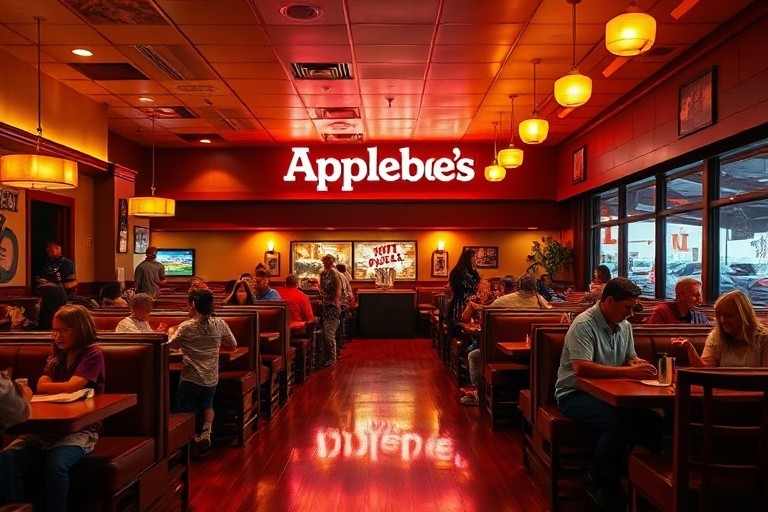
The chain expanded rapidly through the 1980s and 1990s, riding the wave of America’s growing appetite for casual dining. By 1991, Applebee’s had opened its 200th location, and by the end of the decade, it had become one of the largest casual dining chains in the world. The brand’s success wasn’t just about food; it was about creating an atmosphere. Restaurants were designed to feel like a local hangout, with booth seating, neon signs, and a relaxed vibe that appealed to a broad demographic.
During this period, Applebee’s also began experimenting with international expansion. The first overseas locations opened in Canada in the early 1990s, followed by outlets in Mexico and the Caribbean. These early international ventures laid the groundwork for Applebee’s to become a global brand, though its presence outside North America remains limited compared to domestic dominance.
The Menu Evolution: Comfort Food in a Changing World
Applebee’s menu has undergone significant changes over the years, reflecting shifts in consumer tastes and dietary trends. In its early years, the menu was heavy on classic American fare—think burgers, steaks, and fried appetizers. However, as health consciousness grew in the 2000s, Applebee’s introduced lighter options, such as grilled salmon and salads, alongside its signature items like the Bourbon Street Steak and the famous Riblets.
One of the chain’s most notable menu innovations was the introduction of its “Under 550 Calories” section in 2011. This move was part of a broader industry trend toward healthier dining options, and it helped Applebee’s appeal to a more health-conscious clientele. The chain also embraced global flavors, adding international-inspired dishes like the Pad Thai and the Fiesta Lime Chicken to its lineup. These changes were designed to keep the menu fresh and relevant in an increasingly competitive casual dining landscape.
Despite these adaptations, Applebee’s has faced criticism for what some see as an over-reliance on nostalgia-driven menu items. In recent years, the chain has doubled down on comfort food classics, reintroducing limited-time offerings like the “Applebee’s Classic Burger” and seasonal specials such as the “Pumpkin Spice Ribs.” This strategy has resonated with customers seeking familiarity in uncertain times, particularly during the COVID-19 pandemic, when comfort food sales surged across the restaurant industry.
Global Expansion and Cultural Adaptations
Applebee’s global footprint remains modest compared to its domestic presence, but the brand has made strides in adapting to local tastes. In Canada, Applebee’s operates over 100 locations, and the menu closely mirrors the U.S. version, with minor adjustments for regional preferences. For example, Canadian locations often feature poutine as a side dish or appetizer, catering to local palates.
In Mexico, Applebee’s has taken a different approach. The menu includes items like the “Tacos al Pastor” and “Enchiladas Suizas,” blending American casual dining with Mexican flavors. This localization strategy has helped Applebee’s gain traction in markets where American-style comfort food isn’t as dominant. Similarly, in the Middle East, Applebee’s has tailored its offerings to include more halal-certified proteins and regional dishes, appealing to local customs and dietary laws.
However, Applebee’s has struggled to gain a foothold in some international markets. In Europe, for instance, the brand has a limited presence, with only a handful of locations in the UK and Spain. The competitive casual dining scene in these regions, dominated by established local chains, has made it difficult for Applebee’s to stand out. Additionally, the brand’s American-centric identity sometimes clashes with European preferences for more refined or locally sourced dining experiences.
Despite these challenges, Applebee’s continues to explore opportunities in emerging markets. In 2022, the chain announced plans to expand into the Philippines, leveraging the growing popularity of American-style casual dining in Southeast Asia. This move reflects a broader trend in the restaurant industry, where brands are increasingly looking to Asia for growth opportunities.
Challenges and Reinvention in a Competitive Industry
Like many casual dining chains, Applebee’s has faced significant challenges in recent years. The rise of fast-casual competitors like Chipotle and Panera Bread, as well as the growing popularity of food delivery services, has eroded some of Applebee’s market share. The COVID-19 pandemic further accelerated these trends, forcing the chain to adapt quickly to changing consumer behaviors.
In response, Applebee’s has focused on several key strategies to stay relevant. One of the most significant has been the rollout of a new prototype restaurant design, which features a more modern, open kitchen layout and a redesigned bar area. The updated aesthetic is aimed at attracting younger diners while retaining the brand’s traditional customer base. Additionally, Applebee’s has invested heavily in its digital ordering and delivery capabilities, partnering with third-party platforms like Uber Eats and DoorDash to meet the demand for off-premise dining.
Another critical area of focus has been the brand’s loyalty program, “Applebee’s Rewards.” Launched in 2019, the program offers personalized deals and rewards to frequent diners, encouraging repeat visits. Early data suggests that the program has been successful in driving customer engagement, with millions of members signing up in the first year alone. This initiative is part of a broader effort to build a more data-driven relationship with customers, allowing Applebee’s to tailor marketing efforts and promotions more effectively.
Despite these efforts, Applebee’s continues to grapple with declining same-store sales and store closures. In 2020, the chain announced it would close over 100 locations, a move that reflected the harsh realities of the pandemic and the broader shift in consumer dining habits. However, the brand has also shown resilience, with some locations reporting strong sales growth in recent quarters. This mixed performance underscores the challenges facing traditional casual dining chains in an era dominated by convenience and speed.
What’s Next for Applebee’s?
The future of Applebee’s hinges on its ability to balance tradition with innovation. On one hand, the brand’s strength lies in its nostalgic appeal—a place where families gather for a meal that feels familiar and comforting. On the other hand, Applebee’s must continue to evolve, embracing technology, sustainability, and global flavors to stay competitive. One potential avenue for growth is the expansion of its international footprint, particularly in markets where casual dining is still growing.
Another area of opportunity is the brand’s potential pivot toward the fast-casual segment. While Applebee’s has historically positioned itself as a full-service restaurant, there’s a growing demand for quicker, more affordable dining options. Introducing a hybrid model—such as a counter-service format or a limited menu for to-go orders—could help Applebee’s capture a broader audience without alienating its core customers.
Ultimately, Applebee’s success will depend on its ability to remain relevant in an ever-changing industry. The brand’s history is a testament to its adaptability, from its midwestern diner roots to its current global presence. As consumer preferences continue to shift, Applebee’s will need to stay agile, listening to its customers and embracing change while staying true to its identity as a neighborhood grill and bar.
For now, Applebee’s remains a staple of American casual dining, a place where people go to celebrate birthdays, watch sports on television, or simply enjoy a meal without the fuss of a fine-dining experience. Whether it can reclaim its former glory or carve out a new niche in the crowded restaurant landscape remains to be seen. One thing is certain: Applebee’s has weathered storms before, and its story is far from over.