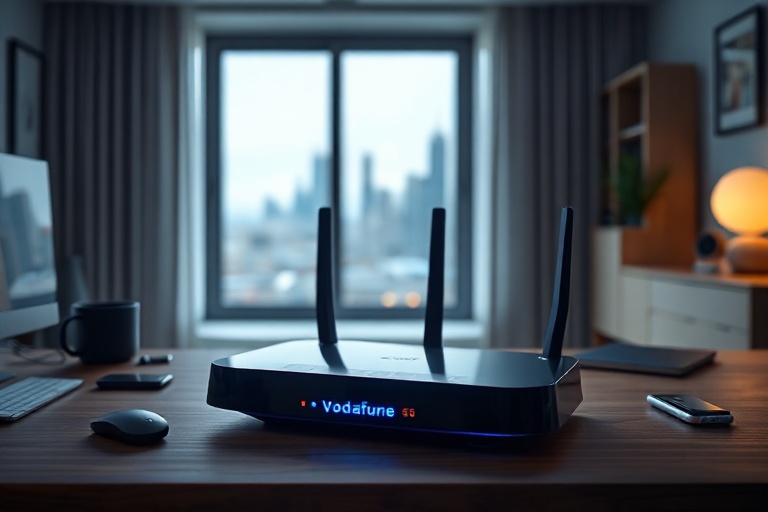
Vodafone 5G Broadband in the UK: A New Era for Home Connectivity
Vodafone has emerged as a key player in the UK’s push toward faster, more reliable home internet with its 5G broadband service. Unlike traditional fibre or cable connections, Vodafone’s 5G broadband leverages mobile network technology to deliver high-speed internet to homes without the need for physical cables. This innovation reflects a broader global trend where telecom giants are reimagining home connectivity through wireless solutions.
Across Europe and beyond, countries are racing to adopt 5G infrastructure, but the UK’s rollout has been particularly ambitious. Vodafone’s service taps into this momentum, offering speeds that can rival—or even surpass—standard fibre broadband in some areas. Yet, its success depends on more than just technology; it requires consumer trust, infrastructure readiness, and competitive pricing. As urban centres densify and remote work becomes the norm, the demand for flexible, high-performance internet has never been higher.
The Technology Behind Vodafone’s 5G Broadband
Vodafone’s 5G broadband relies on the same cellular networks that power mobile phones, but with a twist: a dedicated router converts 5G signals into a Wi-Fi connection for home use. This approach eliminates the need for engineers to install cables, making setup faster and less intrusive for customers. The service uses 5G SA (Standalone) technology in select areas, which provides lower latency and more stable connections compared to non-standalone 5G.
However, performance varies by location. Vodafone’s network coverage maps show strong 5G availability in major cities like London, Manchester, and Birmingham, but rural areas may struggle with signal strength. The company has expanded its 5G network aggressively, but challenges remain in ensuring consistent speeds across all regions. Globally, countries like South Korea and the US have led 5G adoption, but the UK’s mix of urban density and regulatory hurdles creates a unique landscape.
For those considering a switch, Vodafone offers a 30-day trial, allowing users to test speeds before committing. The service also includes perks like free McAfee security software and access to Vodafone’s TV app, blending connectivity with entertainment.
Pricing and Competitive Landscape
Vodafone’s 5G broadband plans start at £26 per month for the basic package, which includes average speeds of 100-200 Mbps. Higher-tier plans offer speeds up to 900 Mbps for £50 per month, positioning Vodafone as a mid-to-high-end option in the UK market. Competitors like EE and Three also offer 5G home broadband, but Vodafone differentiates itself with its Gigabit tier, which promises near-fibre speeds without the installation delays.
When compared to traditional broadband providers, Vodafone’s pricing is competitive, though not always the cheapest. For example, BT’s fibre packages often undercut Vodafone, but the latter’s 5G alternative appeals to customers frustrated by installation wait times or unreliable fibre connections. A 2023 report by Ofcom, the UK’s communications regulator, highlighted that 5G broadband could become a mainstream option within five years, particularly in areas where fibre rollout is slow.
Vodafone also bundles its 5G broadband with mobile plans, offering discounts for customers who combine services. This bundling strategy mirrors global trends, where telecom companies increasingly rely on multi-service packages to retain customers. In markets like Germany and Spain, similar strategies have helped providers like Deutsche Telekom and Telefónica dominate the home broadband sector.
Cultural and Economic Impact
The rise of 5G broadband in the UK is more than a technological shift—it’s a cultural one. As remote work and digital education become permanent fixtures, reliable home internet is no longer a luxury but a necessity. Vodafone’s 5G service aligns with this demand, offering a solution that’s both flexible and future-proof. However, its adoption also raises questions about digital equity. While urban areas benefit from faster speeds, rural communities risk being left behind, exacerbating the urban-rural divide.
Economically, 5G broadband could stimulate growth in underserved regions. A 2022 study by the Technology Policy Institute suggested that widespread 5G adoption could boost local economies by up to 2% in areas with strong connectivity. For businesses, this means lower operational costs and access to cloud-based tools without the need for expensive fibre installations. The UK government has pledged £5 billion to improve rural broadband, but private investment from companies like Vodafone will be crucial in bridging the gap.
Culturally, the shift to wireless broadband reflects broader changes in how people consume media. Streaming services, online gaming, and smart home devices all demand higher bandwidth, and 5G broadband is well-positioned to meet these needs. In cities like Bristol and Edinburgh, where co-working spaces are booming, fast and reliable internet is a selling point for both residents and businesses. Vodafone’s service taps into this trend, offering a plug-and-play solution for a generation that values convenience above all.
Challenges and the Road Ahead
Despite its promise, Vodafone’s 5G broadband faces hurdles. One major challenge is network congestion. In densely populated areas, too many users on the same tower can degrade performance, particularly during peak hours. Vodafone has mitigated this by investing in additional spectrum and small-cell technology, but the problem persists in some regions.
Another concern is customer expectations. While 5G broadband can deliver impressive speeds, it’s not immune to the limitations of wireless technology. Factors like weather, interference, and distance from the nearest tower can all impact performance. Vodafone addresses this with a minimum speed guarantee in its terms and conditions, but real-world results may vary.
Looking ahead, Vodafone plans to expand its 5G broadband coverage to 90% of the UK by 2025. This aligns with the UK’s broader goal of achieving nationwide gigabit-capable broadband by 2030. Globally, countries like China and Japan are already testing 6G technology, but for now, 5G remains the gold standard for home connectivity. Vodafone’s success will depend on its ability to balance innovation with reliability, ensuring that its service meets the evolving needs of British households.
Final Thoughts: Is Vodafone 5G Broadband Right for You?
Vodafone’s 5G broadband is a compelling option for those seeking a flexible, high-speed internet connection without the hassle of traditional installations. It’s particularly well-suited to urban dwellers, remote workers, and tech-savvy consumers who prioritise speed and convenience. However, rural users and those in areas with weak 5G signals may find the service less reliable.
Before making the switch, consider factors like coverage in your area, data usage, and budget. Vodafone’s 30-day trial offers a risk-free way to test the service, and bundling options can provide additional value. As the UK continues to embrace 5G, Vodafone’s broadband service stands as a testament to the transformative power of wireless technology.
For those interested in exploring other high-speed internet options, Technology and News sections on Dave’s Locker provide updates on the latest innovations in connectivity.