Bournemouth: How a UK Coastal Town is Redefining Itself
Bournemouth: A Coastal Gem Evolving Beyond Its Tourist Roots
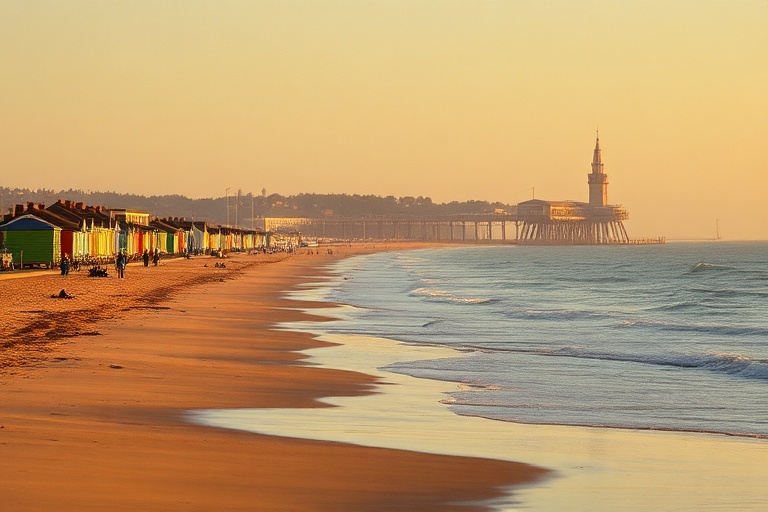
Nestled on England’s south coast, Bournemouth has long been celebrated as a sun-drenched haven for holidaymakers. With its seven miles of sandy beaches, vibrant seafront, and a reputation for family-friendly attractions, the town has carved out a distinct identity in the UK’s tourism landscape. Yet, beneath its well-trodden promenade lies a community undergoing subtle but significant transformation, shaped by economic shifts, cultural diversity, and the relentless march of urban development.
Originally a small village in the 19th century, Bournemouth’s destiny changed when Lewis Tregonwell established a health resort in 1810. By the late Victorian era, it had evolved into a retreat for the affluent, thanks to its mild climate and sea air. Fast forward to today, and the town’s appeal has broadened. It attracts students, young professionals, and retirees alike, creating a demographic mosaic that reflects the country’s evolving social fabric.
The Modern Pulse of Bournemouth
Bournemouth’s transformation isn’t just about demographics. The town has become a hub for education and innovation, anchored by Bournemouth University, which enrolls over 16,000 students annually. The university’s influence extends beyond academia, fueling a burgeoning tech scene and creative industries. Startups in digital marketing, software development, and even gaming have found a foothold here, drawn by lower operational costs compared to London and a growing talent pool.
This economic diversification has also reshaped the local job market. While tourism remains a cornerstone—employing roughly 15% of the workforce—sectors like healthcare, education, and professional services are expanding. The town’s unemployment rate, once higher than the national average, has steadily declined, reflecting these broader trends. Yet challenges persist. Seasonal fluctuations in tourism can strain local businesses, and housing affordability remains a contentious issue as demand outpaces supply.
Cultural Crossroads: From Postcards to Pop Culture
Bournemouth’s cultural footprint extends beyond its physical coastline. The town has quietly nurtured a thriving arts scene, with venues like the Bournemouth Pavilion and the Lighthouse hosting everything from classical concerts to underground film festivals. Meanwhile, the Russell-Cotes Art Gallery & Museum offers a glimpse into the town’s Victorian heritage, juxtaposing historical artifacts with contemporary exhibitions.
In recent years, Bournemouth has also made its mark on the global stage through unexpected avenues. The town’s skateboarding community, for instance, has gained international recognition, producing athletes who compete at the highest levels. Local skate parks, such as the one at Littledown Sports Centre, have become training grounds for aspiring professionals, blending urban culture with athletic ambition.
The town’s culinary scene has likewise evolved. While fish and chips shops still dominate the seafront, a new wave of independent cafes and restaurants is introducing global flavors. From artisanal bakeries to vegan eateries, Bournemouth’s dining options now cater to a more discerning palate. This shift mirrors broader trends in UK urban centers, where food is increasingly seen as a gateway to cultural understanding.
A Town at the Crossroads: Sustainability and Future Challenges
As Bournemouth looks to the future, sustainability has emerged as a critical focus. The town’s coastal location makes it particularly vulnerable to climate change, with rising sea levels and erosion threatening its infrastructure. In response, local authorities have invested in coastal defense projects, including the £44 million Bournemouth Bay Coastal Protection Scheme. These efforts aim to safeguard homes and businesses while preserving the town’s natural beauty.
Yet sustainability isn’t just an environmental concern—it’s also economic. Bournemouth’s tourism-dependent economy must adapt to changing consumer behaviors. The rise of “staycations” during the pandemic highlighted the town’s resilience, but it also underscored the need for year-round attractions. Initiatives like the Bournemouth Air Festival and the annual Arts by the Sea festival have helped extend the tourist season, but more work is needed to diversify revenue streams.
One area of potential growth is the town’s conference and business tourism sector. With its modern conference facilities and proximity to London, Bournemouth is well-positioned to attract corporate events. The BIC (Bournemouth International Centre) has already established itself as a premier venue, hosting everything from corporate retreats to international summits. Expanding this sector could provide a buffer against the volatility of leisure tourism.
Bournemouth in the Global Context
Bournemouth’s story is not unique. Many coastal towns in Europe and beyond face similar challenges and opportunities. In Spain’s Costa del Sol, for example, Marbella has transformed from a sleepy fishing village into a luxury destination, while struggling with issues of gentrification and water scarcity. Similarly, in the United States, towns like Miami Beach have grappled with balancing tourism growth and environmental stewardship.
What sets Bournemouth apart is its ability to evolve without losing its soul. The town’s commitment to preserving its Victorian architecture while embracing modernity is evident in projects like the regeneration of the Old Town area. Here, cobblestone streets and historic buildings coexist with boutique shops and craft breweries, creating a space that feels both timeless and contemporary.
For visitors, Bournemouth offers more than just a beach holiday. It’s a place where history, innovation, and culture intersect. Whether it’s exploring the Jurassic Coast, catching a show at the Pavilion, or strolling through the Lower Gardens, there’s a sense that this town is constantly reinventing itself.
What’s Next for Bournemouth?
The road ahead for Bournemouth is paved with both promise and uncertainty. On one hand, the town’s strategic location, educational institutions, and growing industries provide a solid foundation for future growth. On the other, the pressures of climate change, housing affordability, and economic diversification will require careful navigation.
One thing is clear: Bournemouth’s appeal lies in its ability to balance tradition and progress. It’s a town that honors its past while embracing the future, a place where locals and visitors alike can find something to love. As the world continues to change, Bournemouth’s story serves as a reminder that even the most established destinations must adapt to survive.
For those looking to explore beyond the typical tourist trail, Bournemouth offers a compelling case study in transformation. It’s a destination that rewards curiosity, whether you’re drawn by its golden beaches, its cultural scene, or its quiet resilience in the face of change.