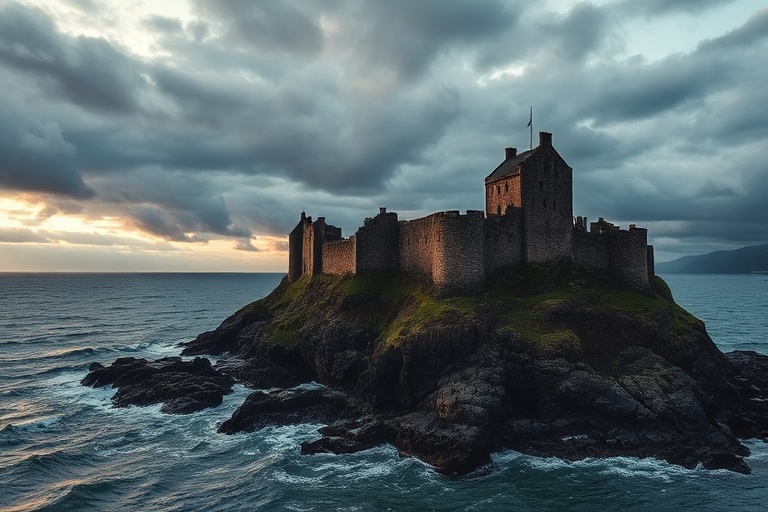
Hidden along the rugged coastline of Scotland’s West Highlands, Lorne Castle stands as a silent witness to centuries of history. Unlike its more famous counterparts such as Edinburgh Castle or Stirling Castle, Lorne Castle remains shrouded in relative obscurity. Yet, its crumbling stone walls and sweeping views of the Firth of Lorne tell a story of power, betrayal, and resilience that shaped the region.
The Historical Significance of Lorne Castle
Built in the 13th century by the Lords of the Isles, Lorne Castle served as a strategic stronghold controlling access to the western seaboard. The castle’s location was no accident—it commanded vital sea routes and provided a vantage point over both land and water. Archaeological evidence suggests the site may have been fortified even earlier, possibly by the Picts or Vikings, long before the stone structure we see today.
The castle’s most turbulent period came during the 15th century when it became a pawn in the power struggles between the Scottish Crown and the Lordship of the Isles. Clan Campbell, rising in influence, sought to dismantle the MacDonald strongholds, and Lorne Castle was a prime target. By the late 1400s, the castle had been seized and largely abandoned, its strategic value diminished by shifting political tides.
Today, the ruins offer a tangible connection to Scotland’s medieval past. Visitors can explore the remains of the great hall, the chapel, and the curtain walls, all while imagining the castle’s former grandeur. The site is managed by Historic Environment Scotland, though it remains one of the country’s lesser-visited heritage locations.
Architectural Features and What Makes It Unique
Lorne Castle’s architecture reflects the transition from motte-and-bailey fortifications to more sophisticated stone castles. The castle is built on a rocky promontory, with the main defensive walls following the natural contours of the land. Key features include:
- Curtain Walls: The thick, defensive walls encircle the inner courtyard, designed to withstand sieges. These walls are punctuated by arrow slits and small, rectangular towers.
- Great Hall: Located near the center of the enclosure, the hall would have been the heart of castle life, where the lord hosted feasts and conducted business. Its foundations are still visible today.
- Chapel: A small, dedicated chapel stands near the eastern wall, indicating the castle’s role in both secular and religious matters. The presence of religious architecture suggests the lord’s desire to legitimize his authority.
- Sea Gate: A lesser-known but critical feature is the sea gate, a postern entrance that allowed the castle to be supplied or evacuated by boat—a common tactic in medieval coastal fortifications.
Unlike the grand palaces of later centuries, Lorne Castle was built for defense, not comfort. Its austere design speaks to the harsh realities of medieval life, where survival often depended on thick walls and strategic positioning. The castle’s ruins also reveal signs of multiple construction phases, with later additions adapting to changing military technologies, such as the introduction of artillery.
Cultural Impact and Modern Relevance
While Lorne Castle may lack the tourist crowds of Edinburgh or Stirling, its cultural footprint is undeniable. The castle has inspired local folklore, including tales of ghostly figures and hidden treasure. Some legends claim that the MacDonalds buried their wealth in the castle’s vaults before fleeing, though no evidence has ever surfaced to confirm these stories.
In recent years, the castle has also become a symbol of Scotland’s broader heritage challenges. Like many medieval ruins, it faces the dual threats of erosion and neglect. Climate change, with its rising sea levels and increased storm activity, poses a particular risk to coastal sites like Lorne Castle. Efforts to stabilize and preserve the ruins are ongoing, but funding remains limited.
For historians and archaeologists, Lorne Castle offers valuable insights into the political and social dynamics of medieval Scotland. The castle’s history reflects the broader themes of clan rivalries, the decline of Gaelic power, and the centralization of authority under the Scottish Crown. These themes resonate even today, as modern nations grapple with issues of identity, sovereignty, and heritage preservation.
Why Lorne Castle Matters Today
Lorne Castle may not be the most iconic fortress in Scotland, but its story is a microcosm of the country’s medieval history. It challenges us to look beyond the well-trodden tourist paths and consider the lesser-known sites that shaped the nation’s past. In an era where heritage tourism often prioritizes grandeur over authenticity, Lorne Castle stands as a reminder of the richness of Scotland’s hidden history.
For those willing to venture off the beaten path, the castle offers a deeply rewarding experience. The journey to Lorne Castle itself is part of the adventure, winding through some of Scotland’s most breathtaking landscapes. The sense of solitude and connection to the past is palpable, making it a destination that lingers in the memory long after the visit is over.
Moreover, Lorne Castle serves as a case study in heritage preservation. Its struggles with erosion and funding shortages highlight the broader challenges facing historical sites worldwide. As governments and organizations seek solutions to protect cultural landmarks, the lessons learned from Lorne Castle could prove invaluable.
In the end, Lorne Castle is more than just a ruin—it is a testament to the endurance of history. It challenges us to remember that the past is not always found in grand museums or well-lit corridors, but sometimes in the quiet, windswept corners of the world.
For those interested in exploring more of Scotland’s medieval heritage, be sure to visit Dave’s Locker History section, where you’ll find articles on other historic sites and their cultural significance.