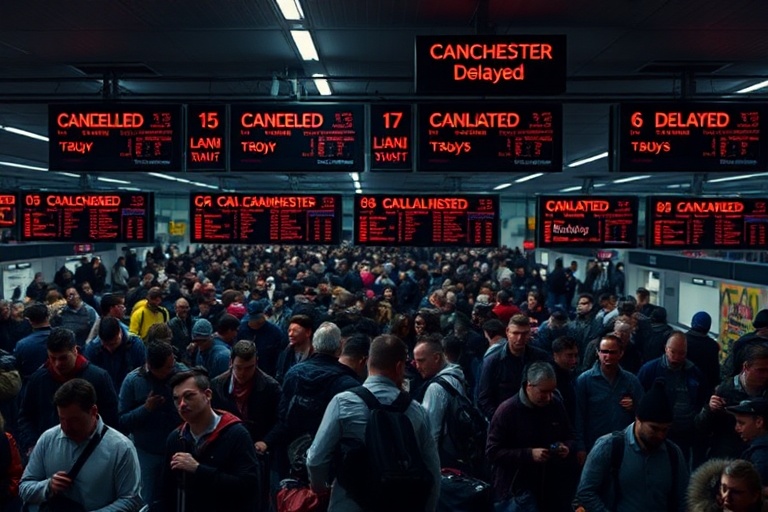
Manchester Airport, the UK’s third-busiest international gateway, has faced persistent flight disruptions in recent months. A combination of staff shortages, technical failures, and unpredictable weather has left thousands of passengers stranded. The ripple effects extend beyond inconvenience, impacting airlines, local businesses, and the broader travel industry.
Root Causes Behind the Cancellations
The cancellations stem from multiple, interconnected issues. At the forefront is a well-documented shortage of skilled airport staff, particularly among ground handlers and air traffic controllers. Recruitment challenges post-pandemic have exacerbated this gap, with many workers leaving the industry for better-paying roles or early retirement.
Technical failures have also played a significant role. In late 2023, Manchester Airport’s baggage handling system experienced repeated malfunctions, leading to delays and cancellations for days at a time. While upgrades were promised, the transition has been slower than anticipated, leaving systems vulnerable to breakdowns.
A third factor—often overlooked—is the surge in last-minute flight changes. Airlines responding to shifting demand patterns have altered schedules frequently, creating logistical bottlenecks that ground crews struggle to accommodate. This volatility compounds existing operational weaknesses.
Key Contributing Factors
- Staff shortages: Airlines and ground handlers report difficulty recruiting and retaining qualified personnel.
- Technical disruptions: Outdated or poorly maintained infrastructure fails under increased pressure.
- Weather volatility: Unpredictable storms and high winds force repeated diversions and delays.
- Schedule instability: Airlines adjust routes and frequencies rapidly, straining airport resources.
- Regulatory delays: Approval processes for new staff and equipment slow critical improvements.
Who Bears the Brunt of the Disruptions?
Passengers are the most visible victims, facing long queues, lost luggage, and costly rebookings. Families traveling during school holidays have reported missing weddings and funerals due to last-minute cancellations. Elderly travelers and those with medical needs are particularly vulnerable, often left without clear support.
Airlines face financial penalties and reputational damage. Compensation claims under EU Regulation 261/2004 have surged, costing operators millions. Smaller carriers, already operating on tight margins, risk insolvency if disruptions persist. Meanwhile, Manchester Airport’s reputation as a reliable hub has taken a hit, with some airlines considering relocating flights to less congested airports.
Local businesses—hotels, restaurants, and taxi services—have seen a noticeable drop in revenue. The airport contributes over £6 billion annually to the regional economy. Prolonged disruptions threaten jobs and long-term investment in Greater Manchester’s transport infrastructure.
What’s Being Done to Fix the Problem?
Manchester Airport Group (MAG) has pledged £150 million to upgrade facilities and hire 500 additional staff by 2025. Recruitment campaigns now target military veterans and international workers, with relocation support and competitive wages. Training programs have been accelerated to fill critical roles quickly.
Technical upgrades are also underway. A £20 million investment in the baggage handling system is expected to reduce failures by 40%. Meanwhile, air traffic control is trialing AI-assisted scheduling tools to improve efficiency during peak periods.
Government intervention has been limited but growing. The Department for Transport has convened crisis meetings with airlines and airport operators, pushing for a coordinated action plan. However, critics argue that without sustained funding and policy reform, short-term fixes will not suffice.
Short-Term Solutions Underway
- Staff recruitment drives: Targeted campaigns to attract ex-military personnel and EU workers.
- Infrastructure upgrades: Baggage system overhauls and runway maintenance scheduled for off-peak months.
- Passenger compensation schemes: Airlines introducing emergency support funds for stranded travelers.
- Enhanced communication: Real-time updates via app notifications and dedicated helplines.
Long-Term Implications for UK Aviation
The crisis at Manchester Airport reflects broader challenges across the UK’s aviation sector. The collapse of regional airports like Doncaster Sheffield and the financial struggles of carriers such as easyJet highlight systemic vulnerabilities. If left unaddressed, these issues could erode the UK’s position as a global travel hub.
There is also a climate dimension. While cancellations reduce emissions temporarily, they disrupt efficient travel patterns and may lead to more frequent, less coordinated journeys—ultimately increasing carbon footprints per passenger. Sustainable aviation fuels and quieter aircraft could mitigate this, but progress remains slow.
For Manchester, the stakes are high. The airport is a cornerstone of the Northern Powerhouse strategy, designed to rebalance economic growth across the UK. Persistent failures risk undermining public confidence in large-scale infrastructure projects.
Looking ahead, collaboration between government, industry, and unions will be essential. A national aviation strategy, with targeted funding and workforce planning, could prevent similar crises at other airports. Meanwhile, passengers must adapt by booking flexible tickets and monitoring updates closely.
Steps Travelers Can Take Now
- Check airline policies before booking—prioritize carriers with robust compensation schemes.
- Download airport and airline apps for real-time alerts and rebooking options.
- Consider travel insurance that covers delays and cancellations.
- Arrive at least three hours before departure during peak seasons.
- Join airline loyalty programs for priority support during disruptions.
Manchester Airport’s flight cancellations are more than a logistical headache—they are a stress test for the UK’s travel infrastructure. Solving them requires more than quick fixes; it demands systemic change. Until then, passengers will continue to navigate uncertainty, airlines will grapple with costs, and the airport’s future will hang in the balance.
For further reading on travel disruptions and airline policies, visit our Travel category and News section for the latest updates.