Waste Dumps: The Hidden Crisis Shaping Our Planet
Waste dumps are more than just unsightly piles of trash. They represent a complex, escalating crisis that intersects with public health, environmental degradation, and global economics. While often relegated to the fringes of urban landscapes, these sites are central to understanding how modern societies grapple with consumption, sustainability, and responsibility.
The problem is not confined to developing nations where infrastructure lags. Even in highly regulated nations, illegal dumping and overflowing landfills persist, revealing systemic failures in waste management. As populations grow and consumerism expands, the volume of waste generated each year continues to rise, outpacing efforts to mitigate its impact.
The Scale of a Global Problem
Every year, the world generates over two billion tons of municipal solid waste, according to the World Bank. This staggering figure includes everything from household trash to construction debris, much of which ends up in landfills or informal dumps. While high-income countries produce more waste per capita, lower-income regions often lack the resources to manage it safely, leading to severe environmental and social consequences.
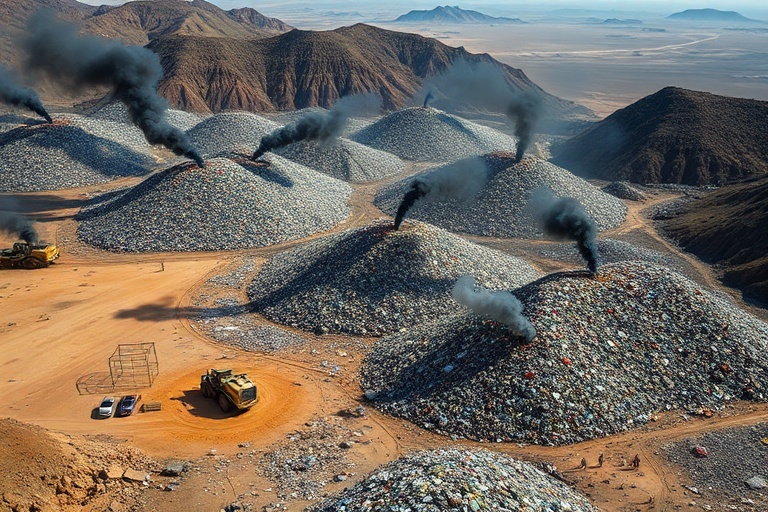
In many parts of the world, open waste dumps remain the default disposal method. These sites, often situated near rivers, wetlands, or residential areas, become breeding grounds for disease and pollution. Methane emissions from decomposing organic waste contribute significantly to climate change, while toxic leachate contaminates soil and groundwater.
The environmental toll is matched by a human one. Communities living near waste dumps face heightened risks of respiratory illnesses, infections, and malnutrition. Children scavenging for recyclables are particularly vulnerable, exposed to hazardous materials without protective gear or oversight.
Key Factors Driving the Waste Crisis
The proliferation of waste dumps is driven by several interconnected factors:
- Overconsumption: The rise of fast fashion, single-use plastics, and disposable goods has led to a linear economy where products are made to be discarded.
- Inadequate Infrastructure: Many municipalities lack the funding, technology, or policy frameworks to implement effective recycling or waste-to-energy programs.
- Global Waste Trade: Wealthy nations often export their waste to poorer countries with lax regulations, shifting the burden rather than solving the problem.
- Lack of Public Awareness: Consumer habits prioritize convenience over sustainability, and education about waste reduction remains limited in many regions.
Environmental and Health Consequences
The environmental impact of waste dumps extends far beyond their immediate vicinity. Landfill sites release methane, a greenhouse gas 25 times more potent than carbon dioxide over a 100-year period. This contributes to global warming and exacerbates climate-related disasters such as flooding and droughts.
Plastic waste, in particular, has become a defining pollutant of the 21st century. Microplastics have infiltrated marine ecosystems, entering the food chain and posing risks to both wildlife and human health. The Great Pacific Garbage Patch, a floating accumulation of plastic debris twice the size of Texas, serves as a stark reminder of the consequences of unchecked waste disposal.
Health risks are equally alarming. Waste dumps attract pests like rats and mosquitoes, which spread diseases such as dengue fever and leptospirosis. The burning of waste, a common practice in informal dumps, releases dioxins and other carcinogens into the air, increasing the risk of cancer and respiratory illnesses for nearby residents.
Innovative Solutions and Policy Responses
Despite the daunting scale of the problem, progress is being made. Cities like San Francisco and Seoul have achieved high recycling rates through strict waste separation policies and public education campaigns. Meanwhile, companies are exploring circular economy models that prioritize reuse and repair over disposal.
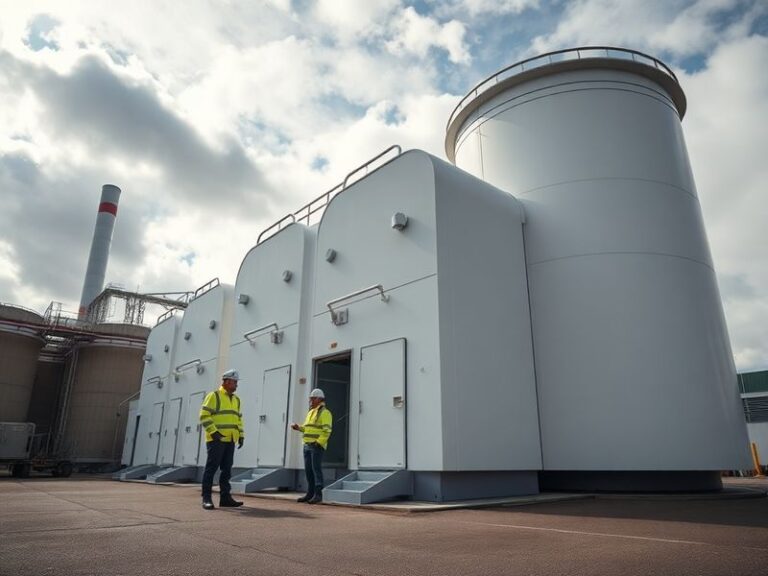
Technological advancements are also playing a role. Waste-to-energy plants convert non-recyclable waste into electricity, reducing landfill use while generating power. Innovations in biodegradable materials and compostable packaging offer alternatives to traditional plastics, though adoption remains inconsistent.
Policy changes at the international level are critical. The Basel Convention, an international treaty, aims to reduce the transboundary movement of hazardous waste. However, enforcement remains uneven, and loopholes persist. Stricter regulations on single-use plastics and extended producer responsibility (EPR) laws, which hold manufacturers accountable for the lifecycle of their products, are gaining traction in Europe and parts of Asia.
What Can Individuals and Communities Do?
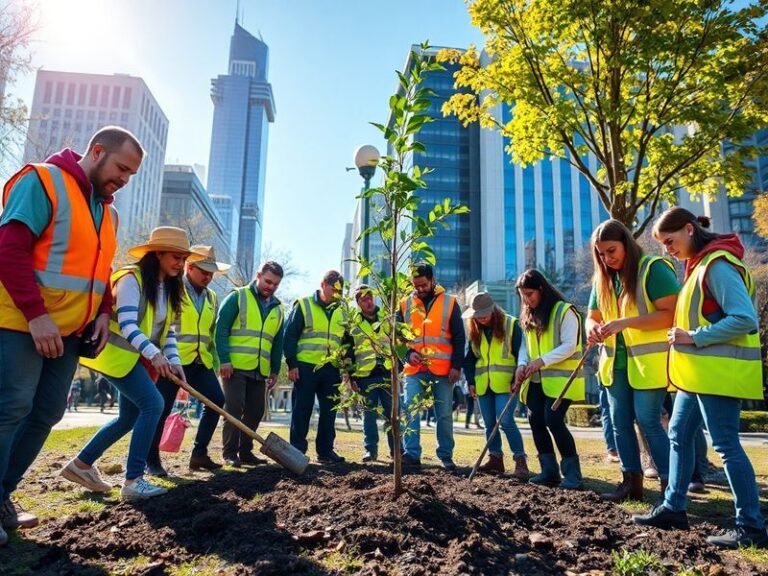
While systemic change is essential, individuals can contribute to reducing waste through conscious choices. Simple actions like reducing single-use plastics, composting organic waste, and supporting businesses with sustainable practices can collectively make a difference. Community-led clean-up initiatives and advocacy for better waste management policies also amplify impact.
Educational programs that teach waste reduction and recycling are vital, especially in schools. Empowering the next generation with knowledge about sustainability ensures that future policies and consumer habits prioritize long-term environmental health over short-term convenience.
A Call for Collective Action
Waste dumps are not just environmental liabilities; they are symptoms of deeper societal failures. Addressing this crisis requires a shift in mindset—from viewing waste as an endpoint to recognizing it as a resource that can be reused, recycled, or repurposed. Governments, businesses, and individuals must collaborate to create systems that minimize waste generation and maximize recovery.
The path forward is challenging but not insurmountable. By investing in infrastructure, enforcing regulations, and fostering innovation, societies can transition toward a more sustainable relationship with waste. The goal is not merely to manage waste dumps more effectively but to render them obsolete through smarter design, responsible consumption, and equitable policies.
As global waste generation continues to rise, the urgency of this issue cannot be overstated. The choices made today will determine the livability of our planet for generations to come. Waste dumps are not an inevitability—they are a challenge to be overcome.
For further reading on waste management and environmental policy, visit our Science and Technology sections.