Death Valley: A Land of Extremes, Myths, and Scientific Wonder
Death Valley: A Harsh Landscape That Shapes Human Imagination
Few places on Earth command attention like Death Valley. Straddling the California-Nevada border, this arid basin holds records for the hottest temperatures ever recorded, with Furnace Creek reaching 134°F (56.7°C) in 1913. Yet beyond its extreme climate, Death Valley tells a deeper story—one of survival, myth, and the indomitable human spirit. It’s a place where nature’s brutality meets cultural fascination, drawing visitors, scientists, and storytellers from around the world.
The valley sits within the Mojave Desert, a region stretching across nearly 47,000 square miles. Its name originates from a group of pioneers who, in 1849, found themselves trapped while searching for a shortcut to the California goldfields. After enduring weeks of starvation and thirst, one of the survivors reportedly declared, “Goodbye, Death Valley,” as they escaped to safety. This dramatic origin story has since fueled centuries of mythmaking, embedding the valley into the American psyche as a symbol of both peril and perseverance.
The Geological Wonders Beneath the Scorching Sun
Death Valley’s landscape is a masterclass in geology. The valley floor sits 282 feet below sea level, making it the lowest point in North America. Surrounding it are towering mountain ranges, including the Panamint Mountains to the west, which rise over 11,000 feet. These extremes create a dramatic contrast—snow-capped peaks looming over sun-baked salt flats.
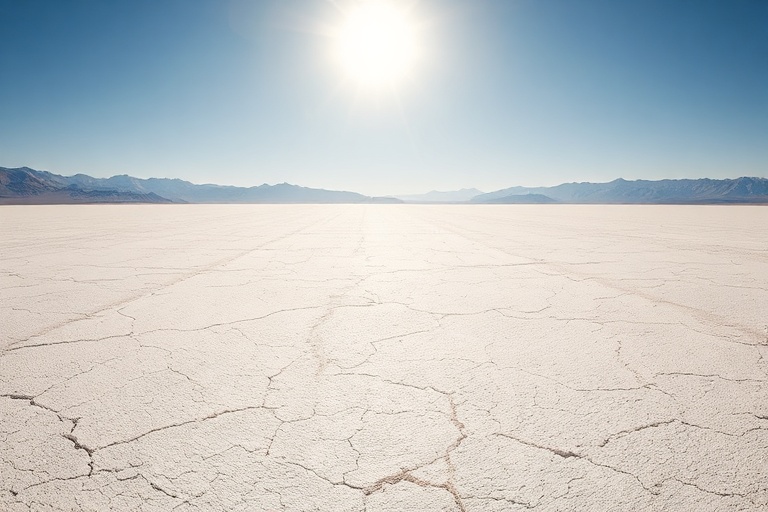
Among its most striking features is Badwater Basin, home to the lowest elevation in North America. The basin’s vast salt flats form a cracked, polygonal pattern, a testament to ancient lake beds that once covered the valley. Nearby, Artists Palette showcases hills painted in vibrant hues of red, green, and pink, the result of mineral oxidation over millions of years. These geological marvels are not just visual spectacles; they offer scientists clues about Earth’s climatic history and the potential for life in extreme environments.
For those interested in exploring Earth’s natural wonders, Death Valley serves as a living laboratory. Its unique conditions have even drawn comparisons to Mars, inspiring NASA researchers to study extremophiles—organisms that thrive in harsh environments. This connection has elevated Death Valley’s status in both scientific and popular imagination, linking it to broader conversations about planetary exploration and astrobiology.
A Cultural Crossroads: Myths, Movies, and Modern Fascination
Death Valley’s harsh beauty has long captivated human creativity. Indigenous Timbisha Shoshone people have inhabited the region for over a thousand years, adapting to its unforgiving climate through traditional knowledge and seasonal migration. Their presence adds a layer of cultural depth often overshadowed by the valley’s more dramatic narratives.
In the 20th century, Death Valley became a cinematic icon. The 1930s saw Hollywood productions like Gold Rush and The Grapes of Wrath using the valley as a backdrop for tales of struggle and resilience. Its stark landscapes provided the perfect setting for stories of human endurance, reinforcing its reputation as a place where survival is never guaranteed. Even today, filmmakers continue to draw inspiration from its rugged terrain, with recent productions leveraging its otherworldly vistas to evoke themes of isolation and adventure.
The valley’s influence extends into literature and music as well. From Jack London’s survival stories to modern desert rock anthems, Death Valley’s imagery permeates creative works. It has become a metaphor for challenge and transformation, a place where characters—and real-life adventurers—are tested in ways that reveal their true nature.
Tourism and Conservation: Balancing Access and Preservation
Death Valley National Park, established in 1994, attracts over a million visitors annually. Tourists flock to landmarks like Zabriskie Point, known for its golden badlands and sunrise vistas, and Mesquite Flat Sand Dunes, where the shifting sands create an ever-changing desert canvas. The park’s diverse ecosystems, from salt flats to oases, support a surprising variety of wildlife, including bighorn sheep, coyotes, and the endangered Death Valley pupfish.
However, this popularity presents challenges. Foot traffic on delicate surfaces can damage ancient mineral formations, while climate change threatens to alter the valley’s already precarious balance. Park rangers and conservationists work tirelessly to educate visitors on responsible exploration, emphasizing the importance of staying on marked trails and minimizing environmental impact.
Death Valley also holds significance for astronomers. Its remote location and clear skies make it an ideal spot for stargazing. Night skies here are some of the darkest in the continental United States, offering unparalleled views of the Milky Way. In recognition of this, the park has been designated an International Dark Sky Park, underscoring its role in both natural and cultural preservation.
The Valley’s Enduring Legacy
Death Valley endures as more than just a record-breaking desert. It’s a place where history, science, and culture intersect, offering lessons about adaptation, resilience, and the power of the natural world. Whether viewed through the lens of geology, ecology, or human ambition, its story is one of contrasts—beauty and brutality, isolation and connection, myth and reality.
For adventurers, it remains a bucket-list destination. For scientists, it’s a frontier of discovery. And for the Timbisha Shoshone, it’s home. Death Valley doesn’t just challenge those who enter; it redefines their understanding of what it means to survive—and thrive—in a world of extremes.
As climate patterns shift and global interest in extreme environments grows, Death Valley’s role will only expand. It serves as a reminder that some of Earth’s most extraordinary places are not just to be visited, but to be respected, studied, and preserved. In a time when natural wonders are increasingly under threat, Death Valley stands as both a warning and a wonder—a testament to the enduring allure of the wild and untamed.
Exploring Further: Resources and Adventures
For those inspired to explore Death Valley or learn more about desert ecosystems, consider these resources:
- National Park Service – Death Valley: Official guides, maps, and safety tips for visitors.
- DesertUSA: Articles on desert geology, wildlife, and travel itineraries.
- Travel: Explore other extreme landscapes and adventure destinations on Dave’s Locker.
- NASA Astrobiology: Learn about extremophiles and the search for life beyond Earth.
Whether you’re planning a trip or simply fascinated by the natural world, Death Valley offers a compelling narrative—one that challenges, inspires, and endures.