Celestine Subnautica 2: How the New Mineral Changes Survival Gaming
Subnautica 2, the long-awaited sequel to the critically acclaimed underwater survival game, has arrived with a fresh narrative and refined mechanics. Among the most anticipated additions is the Celestine, a mysterious and versatile resource that promises to redefine how players interact with the alien ocean of planet 4546B. This element isn’t just another collectible—it’s a cornerstone of the game’s expanded lore, crafting systems, and environmental storytelling.
The introduction of Celestine follows a deliberate design philosophy: to deepen immersion while maintaining accessibility. Unlike its predecessor, which focused heavily on exploration and base-building, Subnautica 2 integrates Celestine into nearly every major system—from power generation to creature interactions. Players familiar with the first game will notice subtle shifts in tone and structure, suggesting a more deliberate pacing and narrative cohesion.
The Role of Celestine in Subnautica 2’s World
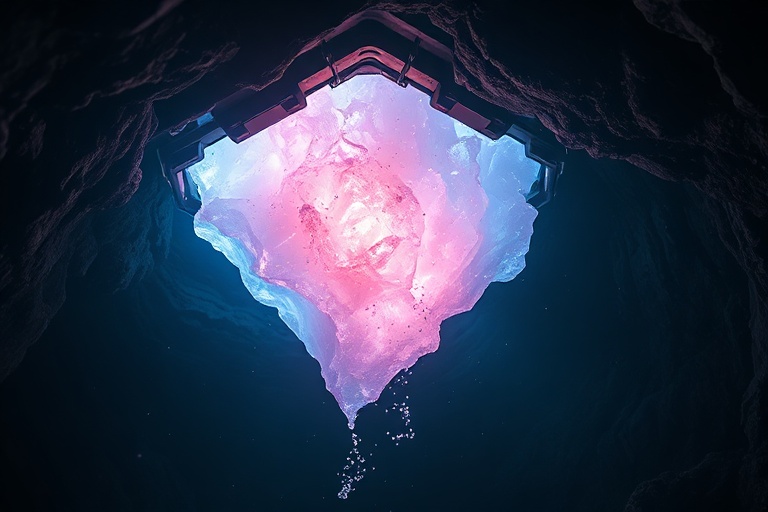
Celestine isn’t merely a resource—it’s a narrative device that binds the planet’s ecosystem together. In the lore of Subnautica 2, Celestine is described as a crystalline mineral formed from the remnants of an ancient alien civilization. Its properties allow it to store vast amounts of energy, regulate bioluminescent ecosystems, and even influence the behavior of local fauna.
According to the in-game research logs, Celestine was once used by the Precursors—a long-extinct intelligent species—to power their advanced technology. The mineral’s unique structure enables it to absorb and emit light, making it ideal for both structural support and energy transmission. This dual functionality explains why it appears in everything from habitat walls to vehicle thrusters.
One of the most intriguing aspects of Celestine is its interaction with the Leviathan-class creatures. Early gameplay footage reveals that certain species, like the Sea Treader, are drawn to Celestine deposits, suggesting a symbiotic or even dependent relationship. This adds a new layer of strategy: do you harvest Celestine near active Leviathan nests, or avoid the area entirely?
Celestine in Crafting and Technology
The integration of Celestine into crafting systems represents a significant evolution from Subnautica 1. Where before players relied on basic materials like Titanium and Copper, Subnautica 2 introduces Celestine-based components that offer superior performance. For example:
- Celestine Power Cells: These replace standard batteries and provide up to 40% longer runtime, crucial for deep-sea expeditions.
- Celestine-Reinforced Glass: Used in vehicle and habitat windows, it’s stronger and more resistant to pressure, allowing for deeper exploration.
- Celestine Filters: Enable underwater breathing for extended periods without oxygen upgrades, ideal for long-duration missions.
- Celestine Navigation Beacons: Emit a unique bioluminescent signal that can be tracked by allied creatures, aiding in survival and rescue missions.
These innovations aren’t just cosmetic improvements. They fundamentally change how players approach survival. Early community reactions suggest that Celestine has shifted the meta from cautious resource management to strategic resource investment. Players must now decide: do they use Celestine for immediate survival, or save it for long-term exploration and base expansion?
Environmental Storytelling Through Celestine
Subnautica 2 places a stronger emphasis on environmental storytelling, and Celestine is at its core. The mineral’s presence is not random—it’s tied to the planet’s tragic history. Scattered across the ocean floor are ruins of the Precursors, their structures embedded with Celestine veins that pulse with faint light. These ruins serve as waypoints, clues, and even puzzles, rewarding observant players.
One standout example is the “Celestial Gateway,” a massive structure discovered in the Inactive Lava Zone. This ruin contains a chamber filled with Celestine formations arranged in a geometric pattern. When powered by a Celestine Power Cell, the chamber activates, projecting a holographic star map that hints at the fate of the Precursors. This moment is one of the game’s most cinematic, blending exploration with narrative payoff.
The developers at Unknown Worlds Entertainment have confirmed that Celestine’s role will evolve as the story progresses. In the late game, players may uncover evidence that Celestine isn’t just a mineral—it’s a form of dormant alien life, capable of communication and even mutation under specific conditions. This revelation adds a layer of existential tension, raising questions about humanity’s place in an ecosystem that may be sentient.
Community Reaction and Modding Potential
The release of Celestine Subnautica 2 has sparked lively discussion within the gaming community. On the official Subnautica forums, players have praised the mineral’s integration but also expressed curiosity about its untapped potential. A popular theory suggests that future updates may introduce Celestine-powered creatures or even a new biome where the mineral is the dominant feature.
Modders have already begun experimenting with Celestine mechanics. Early mods include:
- Celestine Overload: Increases the power output of Celestine-based devices but risks attracting aggressive fauna.
- Precursor Ruins Revealed: Expands the existing ruins with new Celestine formations and interactive elements.
- Celestine Mutation: Allows players to cultivate Celestine in controlled environments, creating custom resources.
These mods highlight the community’s engagement with Celestine as more than just a gameplay mechanic—it’s a catalyst for creativity. The mineral’s versatility makes it a prime candidate for future expansions, whether as a story driver or a system overhaul.
For those interested in the broader context of survival games with rich environmental storytelling, our gaming category offers curated lists of titles that excel in world-building and player agency. Similarly, fans of narrative-driven experiences may enjoy exploring our entertainment section, which features deep dives into games with compelling lore and immersive worlds.
Conclusion: Celestine as a Symbol of Evolution
Celestine in Subnautica 2 is more than a new resource—it’s a symbol of the game’s evolution. It bridges the gap between survival mechanics and narrative depth, offering players both tangible rewards and emotional resonance. By integrating Celestine into crafting, exploration, and storytelling, Unknown Worlds has created a system that feels organic and purposeful.
The mineral’s dual role—as a tool and a mystery—ensures that players remain engaged long after the initial excitement fades. Whether you’re a veteran of the first game or a newcomer to the series, Celestine invites you to look closer, think deeper, and explore further. In a genre often dominated by repetitive resource loops, Subnautica 2 stands out by making its central element feel alive.
As the community continues to uncover Celestine’s secrets, one thing is clear: this mineral is just the beginning. With its blend of science, lore, and gameplay innovation, Celestine sets a new standard for what survival games can achieve. And if the modding community’s early efforts are any indication, its legacy will extend far beyond launch day.
Subnautica 2 isn’t just about surviving the deep—it’s about understanding it. And Celestine is the key.