we bury the dead
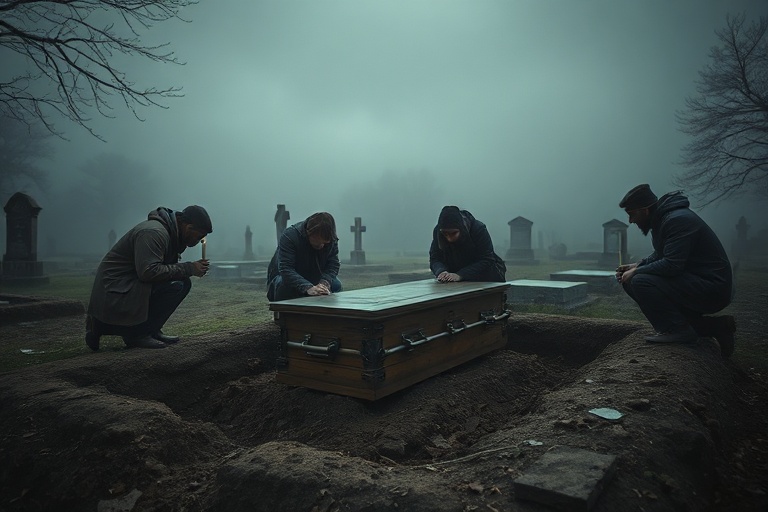
The act of burying the dead is one of humanity’s oldest and most universal traditions. Across cultures, epochs, and geographies, the disposal of human remains has served not only as a practical necessity but as a profound expression of belief, memory, and community. From the elaborate tombs of ancient pharaohs to the simple wooden coffins of rural villages, burial practices reveal as much about the living as they do about the dead. These rituals offer a window into how societies confront mortality, honor the deceased, and sustain connections with those who have passed.
Yet the ways we bury the dead are changing. Urbanization, environmental concerns, and shifting spiritual attitudes are reshaping traditional burial practices. The rise of cremation, green burials, and even digital memorials reflects a broader transformation in how modern societies view death and remembrance. These shifts are not merely about logistics; they touch on identity, ethics, and the very meaning of legacy.
The Historical Roots of Burial Rituals
Burial practices date back at least 100,000 years, with early evidence found in sites like Qafzeh Cave in Israel, where Neanderthals buried their dead with tools and flowers. These acts suggest an early recognition of death as more than a biological event—it was a transition requiring ritual. Over millennia, burial customs evolved in tandem with religious and cultural systems. Ancient Egyptians developed mummification and monumental tombs, such as the pyramids, to ensure the deceased’s journey into the afterlife. Meanwhile, the Greeks practiced cremation and interment in elaborate necropolises, reflecting their philosophical views on the soul’s immortality.
In medieval Europe, Christian burial practices centered on churchyards, where proximity to the sacred ground was believed to aid the soul’s salvation. The Reformation later challenged these traditions, leading to the establishment of public cemeteries and a more secular approach to death. Indigenous cultures around the world developed their own unique practices, from the sky burials of Tibetan Buddhism—where bodies are left on mountaintops to be consumed by vultures—to the ancestral burial grounds of Native American tribes, which serve as both resting places and spiritual anchors for communities.
The Symbolism Behind the Rituals
Burial practices are rich with symbolism, often designed to reflect cultural values and beliefs about death. In many traditions, the orientation of a grave holds significance. For example, Christians often bury the dead with their feet facing east, symbolizing the anticipation of resurrection and the Second Coming. In contrast, ancient Norse burials sometimes aligned graves north-south, possibly to align with celestial events or the path of the sun.
Objects buried with the deceased also carry deep meaning. In ancient China, jade was placed in the mouths of the dead to symbolize immortality and protection in the afterlife. In Victorian England, mourners wore jet jewelry and placed flowers on graves, reflecting a cultural obsession with grief and remembrance. Even today, personal items—photographs, letters, or favorite possessions—are often included in burials as a way to honor the individual’s life and personality.
These symbols serve a dual purpose: they comfort the living by offering a sense of continuity and meaning, while also providing the deceased with a form of accompaniment into the next world. The act of burying the dead, therefore, becomes a bridge between the tangible and the intangible, the seen and the unseen.
The Modern Shift: From Tradition to Innovation
The 20th and 21st centuries have witnessed a dramatic transformation in burial practices, driven by factors such as urbanization, environmentalism, and changing religious attitudes. One of the most significant shifts has been the rise of cremation. In the United States, cremation rates have surged from just 3.5% in 1960 to over 60% today, according to the National Funeral Directors Association. This trend reflects practical concerns—cremation is often less expensive than traditional burial—as well as changing cultural attitudes toward death and the body.
Yet cremation is not without controversy. Environmental advocates point to the carbon emissions produced by cremation, which releases approximately 360,000 metric tons of CO2 annually in the U.S. alone. This has led to the growing popularity of green burials, which eschew embalming fluids, concrete vaults, and non-biodegradable caskets in favor of natural decomposition. Green burial grounds, such as those certified by the Green Burial Council, allow for burial in biodegradable shrouds or simple wooden caskets, ensuring that the process leaves minimal ecological impact.
Alternative Practices Gaining Traction
Beyond green burials, several alternative practices are emerging as viable options for the modern mourner:
- Water Cremation (Alkaline Hydrolysis): This process uses heated water and alkaline chemicals to break down the body, resulting in a sterile liquid and bone fragments. It is touted as a more eco-friendly alternative to flame-based cremation, producing up to 35% fewer carbon emissions.
- Human Composting: A relatively new practice in which the body is placed in a vessel with organic materials like wood chips and straw. Over several weeks, natural decomposition transforms the body into nutrient-rich soil, which can be used to nourish plants or trees—a literal return to the earth.
- Memorial Reefs: For those drawn to the ocean, cremated remains can be incorporated into artificial reefs, providing a habitat for marine life while serving as a living memorial.
- Digital Memorials: With the rise of the internet, many are opting for online memorials, where photos, videos, and messages can be shared and preserved indefinitely. Platforms like digital memorial services offer new ways to commemorate loved ones in a digital age.
These innovations reflect a broader cultural movement toward personalization and sustainability in end-of-life practices. They also highlight a growing desire among younger generations to move away from traditional, often costly, burial methods in favor of options that align with their values.
The Psychological and Social Impact of Burial Practices
Burial rituals play a crucial role in the grieving process, providing structure and meaning to a time that is often chaotic and emotionally overwhelming. Psychologists note that rituals help mourners process loss by giving them a sense of control and purpose. The act of burying a loved one, for example, can serve as a physical manifestation of acceptance, allowing the bereaved to actively participate in the transition from life to death.
Research has shown that communities with strong burial traditions often experience lower levels of prolonged grief. In cultures where mourning is communal—such as the Irish wake or the Jewish shiva—the shared experience of grief can foster healing. Conversely, societies that lack clear rituals or where death is treated as a taboo subject may see higher rates of unresolved grief and mental health struggles.
Yet burial practices can also reinforce social hierarchies and inequalities. Historically, the wealthy have had access to elaborate tombs and grand cemeteries, while the poor were often buried in unmarked graves or mass graves during pandemics. Today, the cost of traditional burials—averaging $9,000 to $12,000 in the U.S.—remains a barrier for many, pushing them toward more affordable alternatives like cremation. This disparity raises ethical questions about who can afford dignity in death and who is left with limited options.
The Role of Religion and Spirituality
Religion continues to shape burial practices for millions around the world. In Islam, for example, burial must occur within 24 hours of death, with the body placed directly in the earth, wrapped in a simple shroud. This practice reflects Islamic teachings on the equality of all believers in death and the importance of a swift return to the earth. Similarly, in Hinduism, cremation is the preferred method, as it is believed to release the soul from the cycle of rebirth.
However, as societies become more secular and diverse, traditional religious practices are increasingly being adapted or abandoned. Many people today identify as spiritual but not religious, leading to hybrid or personalized burial rituals that blend elements from various traditions. This flexibility can be empowering, allowing individuals to create ceremonies that truly reflect their beliefs and values. Yet it can also create tension within families or communities that hold rigid expectations about how death should be handled.
Looking Ahead: The Future of Burying the Dead
The future of burial practices is likely to be shaped by three key forces: environmentalism, technology, and individualism. As climate change becomes an increasingly urgent issue, the demand for sustainable burial options will continue to grow. Innovations like human composting and water cremation are just the beginning; we may soon see the rise of burial pods that transform the body into a tree, or even space burials for those who dream of a final frontier.
Technology is also redefining how we remember the dead. Virtual reality memorials, AI-generated avatars of the deceased, and blockchain-based digital certificates for ashes are already being explored. These tools offer new ways to interact with the memory of loved ones, though they also raise questions about privacy and the commodification of grief.
Finally, the trend toward individualism means that burial practices will become increasingly personalized. People are seeking ways to make their final arrangements a true reflection of their lives—whether that means a burial at sea, a memorial concert, or a quiet interment in a place that held personal significance. The rise of DIY funerals and home funerals, where families take charge of the burial process themselves, further underscores this shift toward autonomy and authenticity.
As we move forward, the act of burying the dead will continue to evolve, but its core purpose will likely remain unchanged: to honor the life that was lived, to process the pain of loss, and to affirm the enduring connections between the living and the dead. In a world that often rushes past the realities of mortality, these rituals remind us to pause, to remember, and to reflect on what it means to be human.
For further reading on cultural traditions and modern innovations, explore our sections on Culture and Technology.