Halifax: Maritime Culture, History, and Modern Growth Explored
Halifax: A City Carved by Ice and Industry
Nestled on the eastern edge of Canada, Halifax is a port city where the Atlantic Ocean meets Maritime culture. Founded in 1749, it has evolved from a strategic British outpost to a vibrant urban center known for its resilience, diversity, and deep-rooted traditions. The city’s geography shapes its identity—surrounded by the Halifax Harbour, it serves as a gateway between North America and Europe, a role that has defined its economy and social fabric for centuries.
The city’s name itself reflects its layered history. Halifax was named in honor of George Montagu Dunk, the Earl of Halifax and a prominent figure in the British Board of Trade during the 18th century. Yet long before European settlers arrived, the land was home to the Mi’kmaq people, whose presence dates back over 13,000 years. Their legacy is woven into the city’s story, from place names like K’jipuktuk to ongoing efforts in cultural preservation and reconciliation.
The Harbour: Halifax’s Lifeline and Legacy
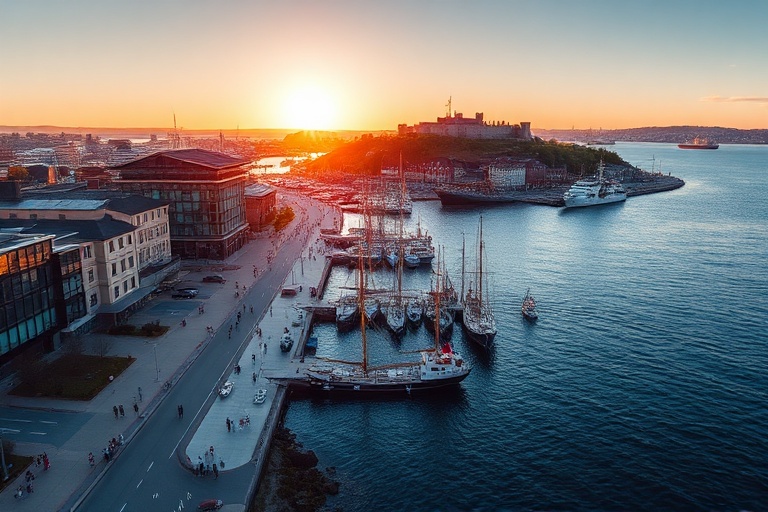
The Halifax Harbour is more than a body of water—it is the city’s heartbeat. Stretching over 12 kilometers, it has been a bustling maritime hub since its early days as a fishing village. Today, the harbour supports a diverse economy, from commercial shipping and cruise tourism to offshore energy exploration. The port handles millions of tons of cargo annually, connecting Atlantic Canada to global markets while fostering innovation in marine technology.
One of the harbour’s most defining moments occurred in 1917 during World War I, when the SS Mont-Blanc, a French cargo ship laden with explosives, collided with the Norwegian vessel SS Imo. The resulting Halifax Explosion devastated the city, killing nearly 2,000 people and leaving thousands more injured. The disaster reshaped urban planning, led to advancements in emergency response, and forged a collective spirit of resilience that continues to define Halifax today.
- Commercial Shipping: The Port of Halifax is one of Canada’s largest and deepest ice-free harbours, handling containerized cargo, automobiles, and bulk goods.
- Cruise Tourism: Each year, the harbour welcomes thousands of cruise passengers, contributing millions to the local economy and showcasing Halifax as a premier tourist destination.
- Marine Technology: The city is a leader in ocean research, home to institutions like the Bedford Institute of Oceanography and the Centre for Ocean Ventures and Entrepreneurship (COVE).
Culture and Community: A Tapestry of Traditions
Halifax’s cultural scene is as rich as its history. The city’s music scene, in particular, has gained international recognition, producing iconic figures like Anne Murray, Sarah McLachlan, and Joel Plaskett. Venues such as The Rebecca Cohn Auditorium and the Marquee Ballroom draw crowds year-round, while festivals like the Halifax Jazz Festival and the Halifax Pop Explosion celebrate both local talent and global influences.
Food is another cornerstone of Halifax’s cultural identity. The city’s culinary landscape blends traditional Maritime dishes with modern innovation. Lobster rolls, donairs (a Halifax twist on the doner kebab), and oysters fresh from the Bay of Fundy are staples, while a growing food truck scene and farm-to-table restaurants reflect contemporary tastes. The Halifax Seaport Farmers’ Market, one of the oldest continuously operating markets in North America, exemplifies this blend of tradition and innovation.
Halifax’s diversity is another of its strengths. The city has become a magnet for immigrants, particularly from Syria, Lebanon, and the Philippines, adding layers of cultural expression to its social fabric. This diversity is celebrated through events like the Halifax Multicultural Festival, which showcases music, dance, and cuisine from around the world.
Economic Evolution: From Shipbuilding to Startups
Halifax’s economy has undergone significant transformations, mirroring broader global trends. Historically, shipbuilding and fishing were the city’s economic bedrocks. The Halifax Shipyard, established in the late 18th century, played a crucial role in both World Wars and remains a key player in modern shipbuilding, particularly in the construction of Arctic and offshore vessels.
In recent decades, Halifax has diversified its economic base, becoming a hub for technology, education, and healthcare. The city is home to Dalhousie University, Saint Mary’s University, and the Nova Scotia College of Art and Design, which collectively attract students from across Canada and around the world. This academic presence fuels a growing tech sector, often referred to as “Silicon Harbour,” which includes companies like Clearwater Seafoods and Sierra Wireless.
- Technology: Halifax’s tech sector has grown by over 30% in the last decade, with a focus on clean tech, fintech, and software development.
- Education: Dalhousie University alone contributes over $1 billion annually to the local economy through research, employment, and student spending.
- Healthcare: The QEII Health Sciences Centre is the largest hospital in Atlantic Canada, serving as a major employer and a leader in medical research.
- Tourism: With attractions like the Halifax Citadel National Historic Site and Peggy’s Cove, tourism generates over $1 billion in revenue each year.
Challenges and Opportunities: Navigating the Future
Despite its many strengths, Halifax faces challenges typical of growing urban centers. Housing affordability has become a pressing issue, with rising property prices and limited inventory pushing long-time residents out of the downtown core. The city’s rapid growth has also put pressure on infrastructure, from public transit to healthcare services. Addressing these issues will require innovative urban planning and community engagement.
Climate change poses another significant challenge. As a coastal city, Halifax is vulnerable to rising sea levels and increasingly intense storms. Efforts to mitigate these risks include green infrastructure projects, floodplain management, and public awareness campaigns. At the same time, the city is positioning itself as a leader in climate adaptation, with initiatives like the Halifax Climate Action Plan aiming to reduce carbon emissions by 50% by 2030.
Yet, Halifax’s challenges are matched by its opportunities. The city’s strategic location, skilled workforce, and strong sense of community make it an attractive destination for businesses and investors. Initiatives like the Halifax Partnership’s “Think Halifax” campaign actively promote the city as a place to live, work, and invest. Meanwhile, grassroots movements are driving social change, from affordable housing advocacy to Indigenous reconciliation efforts.
A City on the Rise
Halifax is more than just a coastal city—it is a dynamic metropolis where history and modernity coexist. From its maritime roots to its burgeoning tech scene, Halifax continues to evolve while staying true to its cultural heritage. Its people, shaped by resilience and adaptability, are the driving force behind its growth. As the city looks to the future, it does so with a clear vision: to build a sustainable, inclusive, and prosperous community that honors its past while embracing innovation.
For visitors, Halifax offers a warm welcome, a rich cultural experience, and breathtaking scenery. For residents, it provides a high quality of life, a strong sense of belonging, and endless opportunities. Whether you’re drawn by the call of the ocean, the pulse of the city, or the promise of a fresh start, Halifax invites you to be part of its ongoing story.