Hawaiian Monk Seal: Endangered Species Facing Extinction
The Hawaiian Monk Seal: A Species on the Edge of Survival
The Hawaiian monk seal (Neomonachus schauinslandi) is one of the most endangered marine mammals on Earth. With fewer than 1,500 individuals remaining, this species faces threats from habitat loss, human interference, and climate change. Unlike its more famous cousins, the Hawaiian monk seal is an elusive creature, spending most of its life in the remote atolls and beaches of the Hawaiian Islands. Its survival is a testament to the delicate balance between human activity and wildlife conservation.
This seal’s story is not just one of ecological concern but also of cultural significance. For Native Hawaiians, the monk seal is a ‘ilio-holo-i-ka-uaua, or “dog running in rough water,” a name that reflects its agility and resilience in the ocean. The species’ decline mirrors broader challenges in balancing tourism, development, and environmental stewardship in Hawaii. Understanding its plight requires looking beyond the numbers to the deeper connections between people and nature.
The Biology and Behavior of the Hawaiian Monk Seal
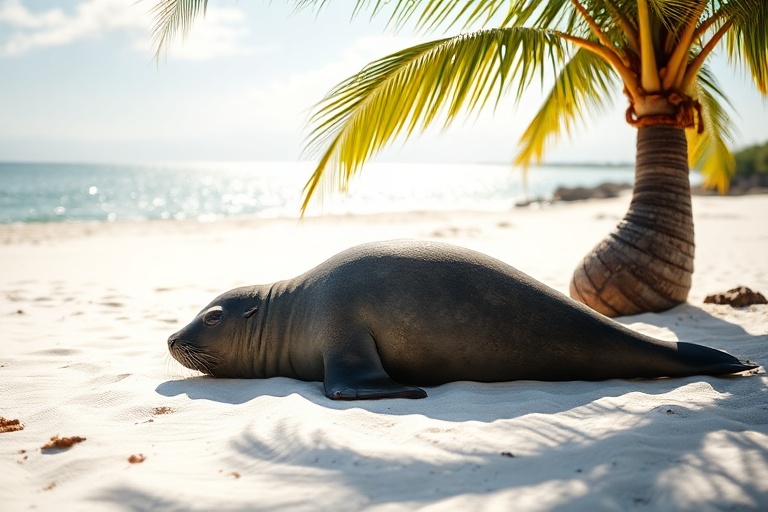
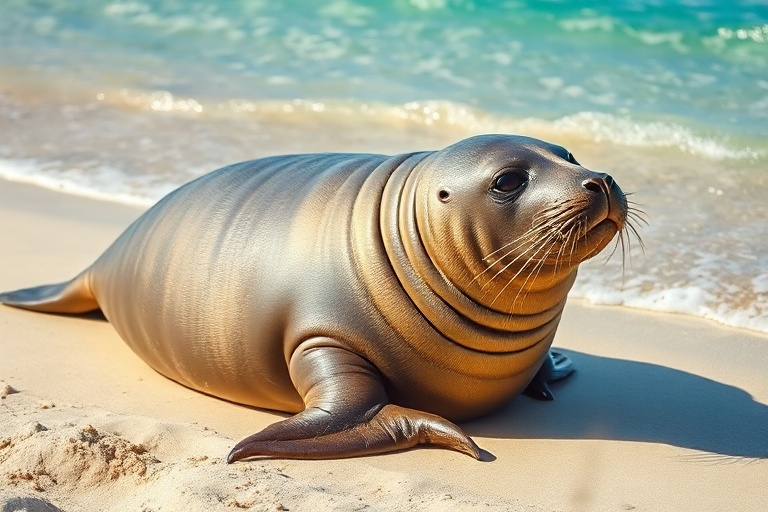
The Hawaiian monk seal is a pinniped, meaning it is a fin-footed marine mammal adapted to life in the water. Adults typically weigh between 300 to 600 pounds and measure up to 7 feet in length. Their sleek, spotted coats range from silver-gray to dark brown, providing camouflage against the volcanic rocks and coral reefs where they rest. Unlike seals in colder climates, Hawaiian monk seals thrive in tropical waters, where they hunt for fish, eels, and crustaceans.
One of the most fascinating aspects of their behavior is their reliance on sandy beaches for pupping and molting. Females give birth to a single pup after a gestation period of nearly 11 months, and the pups are nursed for about six weeks. During this time, the mother fasts, losing up to 200 pounds as she feeds her offspring. This extreme dedication highlights the species’ vulnerability—any disturbance during these critical periods can have devastating consequences.
Hawaiian monk seals are also known for their unique vocalizations, including grunts, growls, and even “barks” that echo across the shoreline. These sounds play a role in social interactions, particularly during mating season. Observing these behaviors offers a glimpse into the complex social structures that define their lives.
Global Context: Why the Hawaiian Monk Seal Matters
The Hawaiian monk seal is the last surviving species of monk seal in the Pacific, with its closest relatives—the Caribbean and Mediterranean monk seals—already extinct. This makes its survival a global priority. Conservationists often compare its situation to that of other endangered marine mammals, such as the vaquita or the North Atlantic right whale, where human activity has pushed species to the brink.
Hawaii’s isolation once protected the monk seal, but today, its habitat is increasingly encroached upon by tourism, fishing, and coastal development. The species’ decline is a microcosm of broader environmental challenges, including plastic pollution, overfishing, and rising sea temperatures. Even invasive species like feral cats and dogs pose threats by preying on pups or introducing diseases.
Internationally, the Hawaiian monk seal is a symbol of the need for stronger marine protected areas. Organizations like the National Oceanic and Atmospheric Administration (NOAA) and the Marine Mammal Center have implemented recovery programs, including habitat restoration and public education campaigns. These efforts underscore the importance of global cooperation in wildlife conservation.
Cultural and Historical Significance
For Native Hawaiians, the Hawaiian monk seal is more than just a species—it is a cultural icon. Ancient Hawaiian legends often depict seals as spiritual protectors, known for their intelligence and connection to the ocean. The name ‘ilio-holo-i-ka-uaua reflects this reverence, blending practical observation with mythological storytelling.
Historically, monk seals were hunted for their meat, oil, and fur, a practice that nearly drove them to extinction by the early 20th century. While hunting is now illegal, the legacy of exploitation lingers in the species’ slow recovery. Today, Native Hawaiian communities play a crucial role in conservation efforts, blending traditional knowledge with modern science to protect the seals.
Tourism, a cornerstone of Hawaii’s economy, also intersects with monk seal conservation. While visitors are often drawn to the islands by the promise of pristine beaches and marine life, their presence can inadvertently disturb resting seals. Balancing tourism with conservation remains a delicate challenge, requiring thoughtful policies and public awareness.
What Can Be Done to Save the Hawaiian Monk Seal?
Saving the Hawaiian monk seal will require a multi-faceted approach. Conservationists have identified several key strategies:
- Habitat Protection: Expanding marine protected areas and restricting human access to critical pupping and resting sites.
- Community Involvement: Engaging Native Hawaiian communities in conservation efforts to ensure culturally sensitive solutions.
- Research and Monitoring: Using satellite tracking and population surveys to better understand the seals’ movements and threats.
- Public Education: Raising awareness about the species’ plight and promoting responsible tourism practices.
Individuals can also contribute by supporting organizations like the Hawaiian Monk Seal Research Program or participating in beach cleanups to reduce pollution. Small actions, when multiplied across communities, can create meaningful change.
A Species Worth Fighting For
The Hawaiian monk seal is a reminder of the fragility of life in the face of human progress. Its survival depends on our willingness to act—not just as conservationists, but as stewards of the planet. The story of the Hawaiian monk seal is one of resilience, cultural significance, and the urgent need for global environmental responsibility.
As we move forward, the choices we make today will determine whether future generations will witness the grace of these seals on Hawaiian shores or only in history books. The fight to save the Hawaiian monk seal is not just about saving a species; it’s about preserving a way of life that connects humans and nature in harmony.