Hawaiian Monk Seal: Hawaii’s Endangered Ocean Icon
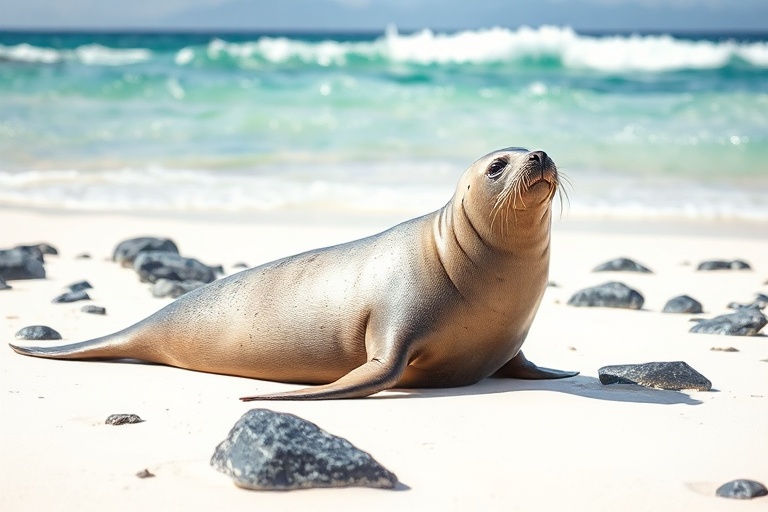
The Hawaiian monk seal stands as one of the most endangered marine mammals in the United States, with fewer than 1,500 individuals remaining. These solitary creatures, found nowhere else on Earth, face mounting threats from habitat loss, human interference, and climate change. Their survival depends on conservation efforts and public awareness, making them a critical species for Hawaii’s ecological balance.
The Hawaiian Monk Seal: A Living Relic of the Pacific
Native to the Hawaiian Islands, the Hawaiian monk seal (Neomonachus schauinslandi) is one of only two surviving monk seal species in the world—the other being the Mediterranean monk seal. Fossil records suggest monk seals once thrived across the Pacific, but today, their range is limited to the remote atolls and beaches of the Northwestern Hawaiian Islands. This isolation has made them uniquely adapted to their environment, yet also highly vulnerable to human impact.
Their scientific name honors Hugo Schauinsland, the German biologist who first identified the species in 1899. Unlike their more social relatives, Hawaiian monk seals are solitary animals, spending most of their time resting on sandy beaches or foraging in shallow waters. They are known for their curious nature, often approaching humans out of instinct rather than aggression—a trait that has unfortunately contributed to their decline.
Threats to Survival: Human Encroachment and Environmental Stressors
Hawaiian monk seals face a trifecta of existential threats, each exacerbating the others. The primary dangers include:
- Habitat Loss: Coastal development, erosion, and rising sea levels reduce the limited sandy beaches where seals give birth and nurse pups. In some areas, entire beaches have vanished, forcing seals to abandon traditional birthing grounds.
- Human Interaction: Despite protective measures, seals are often disturbed by beachgoers, fishermen, and drones. Even well-meaning tourists can inadvertently separate mothers from pups or cause seals to abandon critical resting spots.
- Climate Change: Warmer ocean temperatures disrupt food availability, as seals rely on fish and crustaceans that migrate or die off due to shifting currents. Additionally, stronger storms and higher tides erode the very beaches they depend on.
The National Oceanic and Atmospheric Administration (NOAA) estimates that without intervention, the Hawaiian monk seal could disappear within decades. Conservation programs, such as those run by NOAA’s Hawaiian Monk Seal Recovery Program, work to mitigate these threats through habitat protection, public education, and direct intervention when seals are injured or entangled in marine debris.
Conservation Efforts: A Race Against Time
Protecting the Hawaiian monk seal requires a multi-faceted approach, blending science, policy, and community engagement. Key initiatives include:
- Beach Closures and Monitoring: NOAA and local organizations enforce seasonal closures on beaches where seals are known to pup or rest. Drones and volunteer teams monitor these areas to prevent human interference.
- Marine Debris Removal: Entanglement in fishing nets and plastic debris is a leading cause of injury and death. Cleanup efforts, such as those led by Dave’s Locker Conservation initiatives, target these hazards in critical seal habitats.
- Community Involvement: Local fishermen, tour operators, and residents are educated on best practices to minimize disturbances. Programs like the Dave’s Locker Wildlife Awareness campaigns emphasize coexistence rather than conflict.
- Genetic Research: Scientists study the seals’ DNA to track population health and identify genetic bottlenecks that could hinder recovery. This research informs breeding strategies and habitat prioritization.
One of the most successful interventions has been the temporary relocation of pups from overcrowded or unsafe beaches to quieter, more protected areas. This strategy has increased pup survival rates, though it remains a stopgap measure. Long-term success hinges on broader environmental policies, such as reducing plastic pollution and mitigating climate change effects.
Why the Hawaiian Monk Seal Matters Beyond Its Survival
The Hawaiian monk seal is more than just a charismatic marine mammal—it is a keystone species whose health reflects the well-being of Hawaii’s entire ecosystem. As apex predators, seals help regulate fish populations, preventing overgrazing of coral reefs and seagrass beds. Their decline could trigger cascading effects, destabilizing marine biodiversity.
Moreover, the seal’s plight underscores the broader challenges facing island ecosystems worldwide. Remote habitats like those in Hawaii are often the first to suffer from global issues such as climate change and plastic pollution, yet they receive disproportionately less attention than more accessible environments. The Hawaiian monk seal’s story is a microcosm of the struggles faced by countless endangered species—one that demands urgent action.
For Hawaii, the seal is also a cultural symbol. In Hawaiian tradition, monk seals are considered ‘ilio-holo-i-ka-uaua, or “dog that runs in rough water,” and are revered as guardians of the ocean. Losing them would not only be an ecological tragedy but a cultural one as well, erasing a piece of Hawaii’s natural heritage.
A Call to Action: How You Can Help
Protecting the Hawaiian monk seal is not solely the responsibility of scientists or government agencies—it’s a collective effort. Simple actions can make a significant difference:
- Respect Wildlife: If you encounter a monk seal on the beach, maintain a distance of at least 150 feet and never attempt to touch or feed it.
- Reduce Plastic Use: Participate in beach cleanups or commit to reducing single-use plastics in your daily life to prevent debris from entering the ocean.
- Support Conservation Organizations: Donate to or volunteer with groups like NOAA’s Monk Seal Recovery Program or local initiatives such as those highlighted on Dave’s Locker Conservation.
- Advocate for Policy Change: Contact local representatives to support legislation aimed at reducing marine pollution and protecting critical habitats.
The Hawaiian monk seal’s future hangs in a delicate balance. While the challenges are daunting, they are not insurmountable. With sustained effort, public support, and adaptive conservation strategies, there is hope that this ancient species can thrive once again in the waters it has called home for millennia.
For now, the seals continue their quiet existence—resting on sunlit beaches, diving into the deep, and reminding us that even the smallest voices in the ocean deserve to be heard.