Congress Eyes EV Fee to Fix Roads: Who Pays the Price?
“`html
Bipartisan Electric Vehicle Fee Bill Gains Momentum in Congress
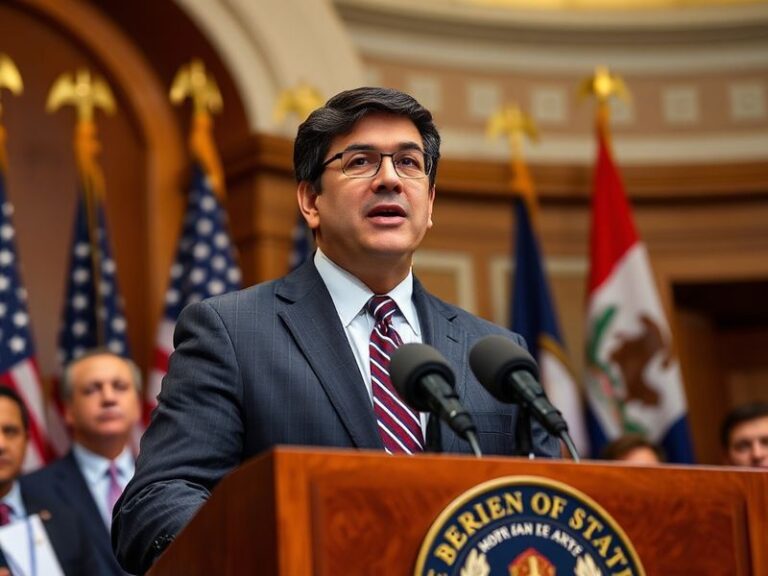
The U.S. Congress is on the verge of approving a landmark bipartisan bill that would introduce a per-mile fee for electric vehicle (EV) drivers. This legislation, known as the Fair Road Usage Act, aims to address the long-term funding gap for highway maintenance as gas-tax revenues decline due to increased EV adoption. While the bill has drawn support from both sides of the aisle, it has also ignited debates about equity, infrastructure priorities, and the future of transportation funding.
Transportation experts warn that the current gas tax, which has funded U.S. road infrastructure since the 1950s, is becoming increasingly unsustainable. As more drivers switch to electric vehicles, federal and state governments face a projected $18 billion annual shortfall by 2030. The proposed fee would require EV owners to pay a small fee—initially set at 2.5 cents per mile—to help bridge this gap. Supporters argue that this approach ensures fairness, while critics question whether it could discourage EV adoption.
The Global Context: How Other Countries Fund EV Infrastructure
While the U.S. grapples with this issue, other nations have taken different approaches to EV funding. In Europe, several countries have implemented annual registration fees for electric vehicles, while some cities charge congestion fees for all vehicles entering low-emission zones. For example, Norway—often seen as a leader in EV adoption—abolished tolls for electric cars in 2023, but it still relies on general taxation to fund infrastructure.
In contrast, China, the world’s largest EV market, has experimented with a mix of subsidies and road usage fees. The Chinese government initially offered generous incentives to boost EV sales, but as adoption grew, it shifted toward user-based funding models. This hybrid approach could offer lessons for U.S. policymakers as they navigate the transition.
Meanwhile, in Australia, some states have introduced distance-based charges for EVs, similar to the U.S. proposal. However, these fees have faced public backlash, with critics arguing that they disproportionately burden rural drivers who rely on long commutes. The Australian experience underscores the importance of designing policies that account for regional disparities in infrastructure needs.
Who Supports—and Who Opposes—the Bill?
The Fair Road Usage Act has garnered bipartisan backing, with lawmakers from both parties emphasizing the need to modernize transportation funding. Key supporters include:
- Senator John Barrasso (R-WY), who chairs the Senate Environment and Public Works Committee, has framed the bill as a pragmatic solution to maintain roads without raising gas taxes.
- Representative Earl Blumenauer (D-OR), a longtime advocate for sustainable transportation, sees the fee as a necessary step toward a carbon-neutral future.
- State transportation officials from both red and blue states have testified in favor of the bill, citing concerns over deteriorating bridges and highways.
However, opposition has emerged from several quarters:
- EV manufacturers, including Tesla and Rivian, argue that additional fees could slow the adoption of zero-emission vehicles, undermining climate goals.
- Consumer advocacy groups warn that the fee disproportionately affects low-income drivers who may not afford gas-powered vehicles but still rely on personal transportation.
- Libertarian-leaning lawmakers oppose any new taxes, even if they replace outdated funding mechanisms.
The Road Ahead: What’s Next for the Bill?
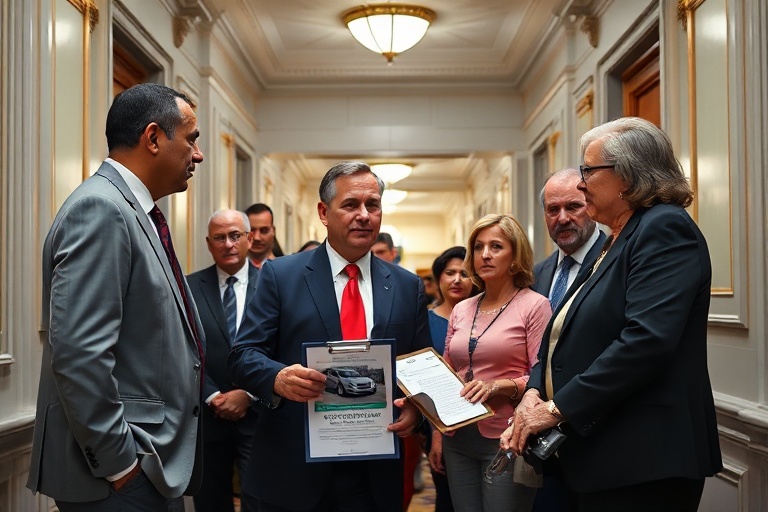
With the bill now moving through committee hearings, its fate hinges on several key factors. First, lawmakers must determine the fee’s structure—whether it should be flat, income-based, or vary by region. Some proposals suggest exemptions for rural drivers or low-income households to mitigate financial strain.
Second, the bill’s implementation timeline remains uncertain. Some advocates push for a gradual rollout, while others argue that immediate action is necessary to prevent further infrastructure decay. The Congressional Budget Office has estimated that a national EV fee could generate $30 billion over a decade, but political wrangling could delay its passage.
Finally, public perception will play a critical role. Polls indicate that while a majority of Americans support sustainable transportation, many remain skeptical of new fees. Education campaigns may be needed to highlight how the revenue will be used—such as repairing potholes or expanding charging networks—rather than being absorbed into general funds.
Broader Implications for the Auto Industry and Consumers
The passage of this bill could have ripple effects across the automotive sector. Automakers investing heavily in EV production may face pressure to adjust pricing models or lobby against the fee. Meanwhile, consumers weighing the switch to electric vehicles will consider not just upfront costs but also long-term operating expenses.
For urban planners, the fee could accelerate discussions about alternative transportation funding. Some cities are already exploring congestion pricing or increased parking fees to supplement road maintenance budgets. The shift toward usage-based fees may redefine how governments finance infrastructure in the 21st century.
As the debate unfolds, one thing is clear: the Fair Road Usage Act is more than just a funding mechanism—it’s a test case for how societies adapt to technological change. Whether it succeeds or stalls could set a precedent for future transportation policies worldwide.
For those interested in the intersection of policy and technology, our technology section explores how innovation shapes global infrastructure. Meanwhile, our politics coverage delves deeper into legislative battles shaping the future of transportation.
Conclusion
The bipartisan EV fee bill represents a critical moment in U.S. transportation policy. As the country transitions toward electric vehicles, lawmakers must balance fiscal responsibility with fairness and environmental goals. While challenges remain, the bill’s progress signals a growing recognition that traditional funding models are no longer viable. The outcome will not only determine the future of America’s roads but also influence global approaches to sustainable mobility.