Hantavirus Outbreak in Ushuaia: Risks, Travel Tips, and Global Context
“`html
Hantavirus Outbreak in Ushuaia Landfill: What Travelers Need to Know
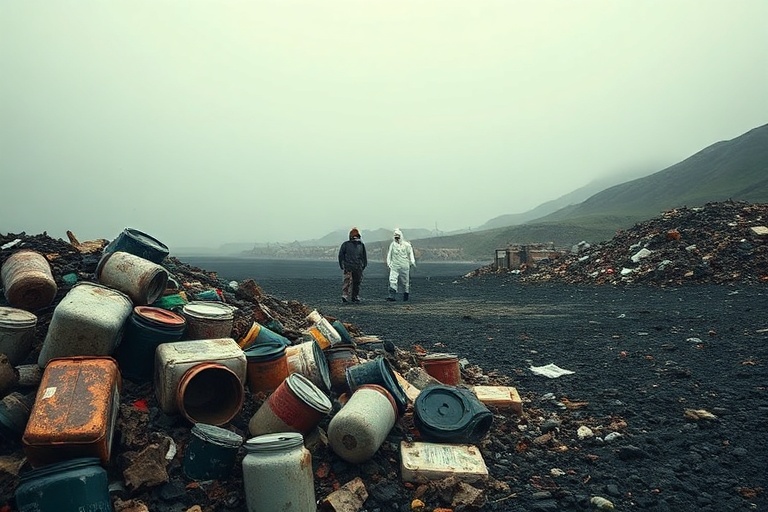
The southernmost city in the world, Ushuaia, Argentina, has recently faced an unexpected public health challenge. In early 2024, a cluster of hantavirus cases emerged, linked to exposure at the local landfill. This outbreak has raised concerns not only for residents but also for international travelers drawn to Tierra del Fuego’s pristine landscapes and remote wilderness.
Hantavirus is a rare but serious disease transmitted primarily through inhalation of aerosolized urine, droppings, or saliva from infected rodents. While cases are uncommon in urban settings, landfills and waste management areas can become hotspots due to high rodent activity. The situation in Ushuaia underscores how environmental conditions, even in remote regions, can intersect with public health in unexpected ways.
How the Outbreak Unfolded
Health authorities in Tierra del Fuego reported the first cases in January 2024. Most patients had visited or worked near the landfill in the weeks prior to symptom onset. Symptoms typically include fever, muscle aches, and respiratory distress, progressing rapidly in severe cases. By February, the number of confirmed cases had risen to 15, with three fatalities—highlighting the virus’s potential lethality.
Local health officials responded swiftly. They cordoned off the landfill, increased rodent control measures, and launched public awareness campaigns. Authorities also advised residents and visitors to avoid areas with rodent infestations and to take precautions when handling stored food or cleaning sheds and cabins.
This outbreak is not isolated. Similar hantavirus clusters have occurred in other parts of South America, including Chile and Brazil, often tied to agricultural or waste management activities. The Ushuaia incident, however, is notable for its urban proximity and the involvement of non-occupational exposures.
The Role of Urbanization and Environmental Change
Ushuaia’s rapid urban expansion has pushed development closer to natural habitats. The landfill, located on the outskirts of the city, sits adjacent to forested areas—prime territory for rodents like the long-tailed mouse (Oligoryzomys longicaudatus), the primary vector for Andes virus, the hantavirus strain circulating in southern Argentina.
Climate change may also be playing a role. Warmer temperatures and altered precipitation patterns have expanded suitable habitats for rodents, increasing human-wildlife contact. This ecological shift is mirrored across Patagonia, where warming trends have reshaped ecosystems and, in turn, disease dynamics.
Urban planners and health experts are now reconsidering waste management strategies. In many South American cities, open-air landfills remain common due to cost and infrastructure limitations. But as outbreaks like this one demonstrate, the long-term costs of such practices—both environmental and public health—can be steep.
Advice for Travelers and Residents
For those planning trips to Ushuaia or southern Argentina, awareness and preparation are key. The U.S. Centers for Disease Control and Prevention (CDC) and Argentina’s National Health Ministry both recommend the following precautions:
- Avoid visiting landfills, dumps, or areas with visible rodent activity.
- Use EPA-approved disinfectants when cleaning sheds, garages, or storage areas.
- Keep food in sealed containers and dispose of garbage regularly.
- Avoid sleeping on bare ground; use elevated cots or tents with rodent-proof floors.
- Seek immediate medical attention if flu-like symptoms develop, especially after potential exposure.
Travelers should also monitor official health advisories. Argentina’s Ministry of Health updates its travel health notices frequently, and the Travel section on Dave’s Locker offers curated insights for adventurers navigating health risks abroad.
For outdoor enthusiasts, the outbreak serves as a reminder that even remote destinations carry risks. Patagonia’s rugged beauty comes with environmental realities—rodents, ticks, and altitude all demand respect. Proper preparation means packing the right gear, respecting local ecosystems, and staying informed.
Global Lessons from a Local Crisis
Hantavirus outbreaks like the one in Ushuaia reveal a broader pattern: as humans encroach on natural spaces, zoonotic diseases become more likely. This is not just a South American issue. In the United States, hantavirus cases have been reported in the Southwest, linked to deer mouse populations in rural cabins. In Europe, similar viruses like Puumala hantavirus circulate in forested regions.
The World Health Organization (WHO) has long emphasized the need for One Health approaches—integrating human, animal, and environmental health surveillance. The Ushuaia outbreak underscores why this strategy is essential. Preventing future clusters requires coordinated action: better waste management, rodent control, public education, and cross-border data sharing.
Culturally, the crisis has also sparked conversations in Argentina about environmental justice. Residents of Ushuaia, many of whom live in informal settlements near the landfill, face disproportionate exposure risks. This highlights how public health threats are not evenly distributed—they reflect socioeconomic inequalities and access to infrastructure.
As global travel rebounds post-pandemic, destinations like Ushuaia must balance tourism growth with health and ecological sustainability. The city’s allure—its dramatic landscapes, trekking trails, and maritime culture—remains undiminished. But its story now includes a cautionary chapter about the hidden costs of progress.
Conclusion: Staying Informed in a Changing World
The hantavirus outbreak in Ushuaia is a reminder that our world remains vulnerable to emerging infectious diseases. While the immediate threat appears contained, the underlying conditions—urban expansion, climate shifts, and ecological disruption—are not going away. Travelers, residents, and policymakers all share responsibility in mitigating these risks.
For now, Ushuaia’s landfill remains closed to the public, and health teams continue monitoring the situation. The city’s tourism board has reassured visitors that popular attractions like Tierra del Fuego National Park and the Beagle Channel excursions remain safe. Still, the episode serves as a case study in how quickly a destination’s reputation can change—and how vigilance must be part of any journey.
As travelers, our best defense is knowledge. Stay updated on health advisories, respect local ecosystems, and support sustainable tourism practices. The wild beauty of Patagonia is worth protecting—and that protection starts with awareness.