Brooke Shields: A Star Who Transformed with the Times
“`html
Brooke Shields: From Child Star to Cultural Icon
Brooke Shields emerged as one of the most recognizable faces of 1980s pop culture, transitioning from a precocious child model to a Hollywood actress who challenged industry norms. Her career, spanning over four decades, reflects broader shifts in media representation and the evolving expectations placed on young performers. Shields’ journey offers a lens into the complexities of fame, the pressures of youth stardom, and the resilience required to sustain relevance in an ever-changing entertainment landscape.
The Early Years: Modeling and the Calvin Klein Campaign
Shields was born on May 31, 1965, in New York City. By the age of 11 months, she was already modeling, appearing in print ads and catalogs. Her breakthrough came at 12 when she starred in Louis Malle’s controversial film Pretty Baby (1978), playing a child prostitute in Victorian-era New Orleans. The film sparked significant debate about the ethics of child actors in mature roles, with Shields defending her participation as a creative choice rather than exploitation.
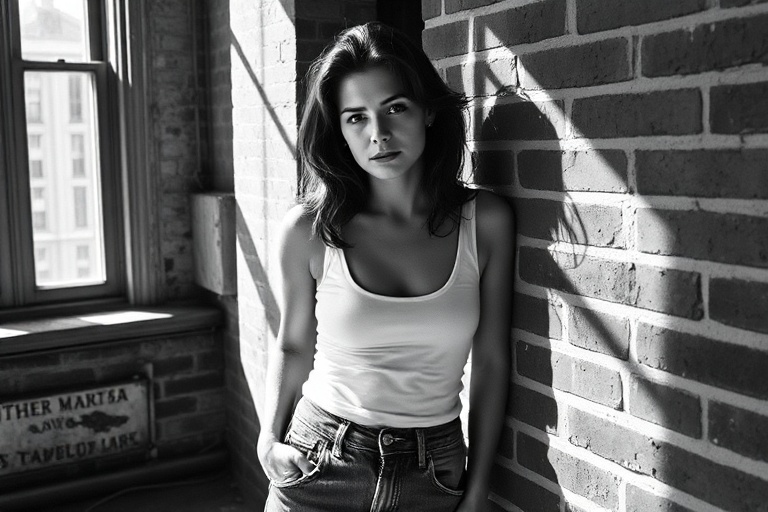
Her most iconic early role arrived in 1980 at age 14, when she became the face of Calvin Klein’s jeans campaign. The black-and-white advertisements, featuring Shields in a tight white T-shirt and jeans, with the caption “You want to know what comes between me and my Calvins? Nothing,” became a cultural touchstone. The campaign catapulted her to teen idol status and cemented her image as a symbol of youthful allure. It also ignited conversations about the sexualization of underage models in advertising—a conversation that would resurface decades later as industry standards evolved.
A Defining Filmography: From Blue Lagoon to The Princess Bride
In 1980, Shields starred in The Blue Lagoon, a coming-of-age adventure film set in a remote island paradise. The movie, though criticized for its idealized depiction of teenage sexuality, became a box-office hit and further established her as a leading actress. Her natural performance style, devoid of exaggerated dramatics, resonated with audiences and set her apart from more polished child stars of the era.
After a brief hiatus to attend Princeton University—where she graduated in 1987—Shields returned to acting with a more mature approach. She balanced mainstream projects with indie films, including Speed Zone (1989), a comedic spin-off of the Cannonball Run franchise, and Backstreet Dreams (1990), a drama exploring family trauma. Her role as the vengeful Westley in The Princess Bride (1987) remains one of her most beloved performances, showcasing her versatility and comedic timing.
Navigating Career Challenges and Personal Growth
Despite her early success, Shields faced significant professional challenges in the 1990s. The entertainment industry, particularly for actresses over 30, often prioritized youth over experience. She pivoted to television, where she found renewed relevance. In 1997, she starred in Suddenly Susan, a sitcom that ran for four seasons and earned her a Golden Globe nomination. The show cemented her status as a comedic talent and demonstrated her ability to carry a series.
Shields also used her platform to advocate for mental health awareness. In 2005, she publicly shared her struggles with postpartum depression following the birth of her daughter, Rowan. Her openness about the condition, which she detailed in her memoir Down Came the Rain, helped reduce stigma and encouraged other women to seek help. The book became a New York Times bestseller, reinforcing Shields’ role as a relatable and candid voice in public discourse.
Beyond Acting: Writing, Advocacy, and Later Career
Shields has expanded her career beyond acting, establishing herself as a writer and advocate. In addition to Down Came the Rain, she published There Was a Little Girl (2014), a memoir examining her relationship with her mother and the pressures of fame. Her writing is marked by introspection and honesty, offering readers a glimpse into the personal toll of public life.
She has also been an outspoken advocate for women’s health, serving as a spokesperson for the National Women’s Health Resource Center. Her work in this area highlights the intersection of celebrity and public service, demonstrating how personal experiences can fuel broader social change. Shields has also been involved in philanthropic efforts, supporting organizations focused on education and the arts.
A Lasting Legacy in Pop Culture
Brooke Shields’ influence extends beyond her filmography. She is often cited as one of the first child models to achieve global recognition, paving the way for later stars like Dakota Fanning and Millie Bobby Brown. Her Calvin Klein campaign remains a case study in advertising psychology, frequently referenced in discussions about the ethics of youth marketing.
Shields has also embraced her status as a cultural touchstone. In 2021, she joined the cast of That ’90s Show, a Netflix spin-off of That ’70s Show, playing the mother of a main character. The role was a deliberate nod to her own legacy, blending nostalgia with modern storytelling. She has also lent her voice to animated projects, including Bob’s Burgers and Phineas and Ferb, showcasing her range as a performer.
Reflections on Fame and Resilience
Shields’ career is a testament to resilience. She has navigated the highs of early fame, the challenges of typecasting, and the personal struggles that come with public scrutiny. Her ability to reinvent herself—from model to actress to writer to advocate—demonstrates a rare adaptability in an industry known for its volatility.
In interviews, Shields has spoken openly about the pressures of being a young star, including the lack of control over her image and the scrutiny of her personal life. She has also criticized the entertainment industry for its double standards, particularly regarding age and gender. Her willingness to confront these issues publicly has made her a respected figure among peers and fans alike.
Today, Shields remains active in both film and television. In 2023, she starred in Totally Killer, a horror-comedy film, and reprised her role as Susan Keats in The Ranch. Her continued presence in the industry is a reminder of her enduring appeal and the timeless quality of her performances.
The Brooke Shields Effect: A Lasting Impact
Brooke Shields’ career offers several key lessons about fame, longevity, and authenticity. Her ability to transition between modeling, acting, and writing reflects a broader cultural shift toward multi-hyphenate careers. She also exemplifies the importance of advocacy, using her platform to address mental health and women’s issues at a time when such conversations were often stigmatized.
For aspiring performers, Shields’ journey underscores the value of education and personal growth. Her time at Princeton provided her with a foundation that extended beyond acting, shaping her perspective and approach to her career. It also serves as a reminder that talent alone is not enough—resilience, adaptability, and a willingness to evolve are essential for long-term success.
As the entertainment landscape continues to change, Brooke Shields remains a relevant and influential figure. Whether through her performances, her writing, or her advocacy, she has left an indelible mark on pop culture—a mark that continues to resonate with new generations.
Her story is not just one of fame, but of perseverance, reinvention, and the courage to speak openly about the challenges of life in the public eye. In an industry that often prioritizes youth and novelty, Shields’ ability to remain a vital part of the cultural conversation is a testament to her enduring talent and character.