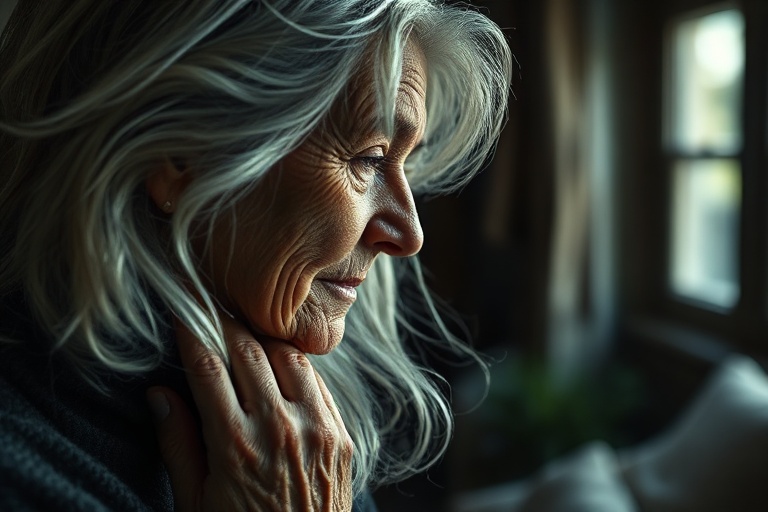
Grey Hair: Biology, Styling, and Cultural Significance Explained
“`html
Grey Hair: Why We Get It, What It Means, and How to Style It
Grey hair has long been a visible marker of aging, yet its cultural and biological significance extends far beyond mere aesthetics. As the first strands of silver appear, they often prompt a mix of curiosity, concern, and even defiance. While some embrace the change as a badge of wisdom, others seek solutions to reverse or conceal it. The phenomenon touches on biology, psychology, and social perceptions, making it a topic worth examining beyond the surface.
The Science Behind Grey Hair: Why It Happens
Grey hair is primarily the result of biological aging. Each hair follicle contains pigment-producing cells called melanocytes, which generate melanin—the compound responsible for hair color. Over time, these melanocytes gradually lose their ability to produce melanin, leading to the growth of colorless or grey hairs. This process is influenced by genetics, with some individuals experiencing premature greying as early as their 20s or 30s. Environmental factors, stress, and oxidative damage can also accelerate the loss of pigment.
Research suggests that the depletion of melanocytes is tied to the aging of stem cells within hair follicles. A 2020 study published in Nature highlighted how oxidative stress may deplete these stem cells, hastening the transition from colored to grey hair. This biological shift is inevitable, though its timing varies widely among individuals.
Cultural Shifts: From Concealment to Celebration
Historically, grey hair has been associated with aging and, by extension, diminished vitality. Advertising campaigns and beauty industries have long reinforced the idea that youth equates to attractiveness, pushing products designed to mask or reverse greying. However, recent years have seen a notable shift in attitudes. Celebrities like Helen Mirren and Jamie Lee Curtis have openly embraced their silver strands, challenging traditional beauty standards.
This cultural evolution reflects broader changes in how society views aging. The rise of the “silver economy”—a term referring to the economic power of older adults—has contributed to a rebranding of grey hair as a symbol of confidence and experience. Social media platforms like Instagram and TikTok have further amplified this trend, with hashtags such as #SilverSoiree and #GreyHairDontCare gaining traction. The movement isn’t just about aesthetics; it’s about reclaiming identity and rejecting arbitrary timelines for aging.
The Psychological Impact of Greying
The appearance of grey hair can evoke a range of emotional responses, from acceptance to anxiety. A 2018 survey by Allure magazine found that 75% of women felt societal pressure to cover their grey hair, while men reported fewer concerns about the issue. This disparity highlights how gender norms influence perceptions of aging. For many, greying is tied to feelings of losing control over their appearance, while others view it as a natural progression that aligns with their personal growth.
Therapists and aging experts suggest that the psychological impact of greying is often more about internalized beliefs than the greying itself. Society’s obsession with youthfulness can make the transition feel abrupt, even though it’s a gradual process. Embracing grey hair may require reframing one’s self-image, a challenge that becomes easier with supportive communities and positive role models.
Styling Grey Hair: Practical Tips and Trends
For those who choose to embrace their grey hair, styling becomes an opportunity to experiment with texture and tone. Unlike traditional dye jobs, grey hair has unique properties that require tailored care. Here are some key considerations:
- Moisturization: Grey hair tends to be drier due to the absence of natural oils from melanin. Deep conditioning treatments and oils like argan or coconut can restore shine and softness.
- Silver Tones: Over time, grey hair can develop yellowish hues due to environmental factors. Purple shampoos or toning conditioners help neutralize these tones, enhancing a silvery sheen.
- Cut and Texture: A well-chosen haircut can frame the face and highlight the natural texture of grey hair. Styles like a pixie cut, lob, or layered cuts work well for most lengths.
- Confidence: The most important styling tip is to wear grey hair with confidence. Whether left natural or enhanced with minimal styling, the key is to own the look.
The beauty industry has responded to this trend with an array of products designed specifically for grey hair. Brands like DavesLocker’s Health section offer guides on selecting the right shampoos and treatments, while Fashion category features trend reports on silver hair styling.
The Broader Implications of Greying
Grey hair is more than a personal aesthetic choice; it’s a reflection of broader societal attitudes toward aging. The medical field, for instance, has begun exploring the link between greying and overall health. Some studies suggest that premature greying may be an indicator of underlying health issues, such as vitamin deficiencies or chronic stress. While correlation doesn’t always equal causation, it underscores the importance of holistic self-care as we age.
Additionally, the greying population presents economic opportunities. The “silver economy” encompasses industries catering to older adults, from anti-aging treatments to leisure and travel services. As the global population ages, businesses are increasingly tailoring their offerings to meet the needs of this demographic. Grey hair, in this context, becomes a symbol of market influence rather than obsolescence.
On a philosophical level, grey hair challenges conventional notions of beauty and identity. It forces us to confront the inevitability of time and the arbitrary standards we impose on aging. In cultures where elders are revered, greying is often celebrated as a sign of wisdom and experience. Yet, in Western societies, where youth is idolized, it can feel like a loss. This dichotomy invites a deeper conversation about how we value individuals across different stages of life.
Conclusion: A Silver Lining
Grey hair is a natural part of the aging process, but its significance stretches beyond biology into culture, psychology, and economics. While societal pressures may still push for concealment, a growing movement encourages acceptance and celebration. Styling grey hair offers an opportunity for self-expression, and the beauty industry’s adaptation to this trend reflects shifting attitudes.
Ultimately, grey hair is a reminder that aging is not a decline but a transformation. It’s a testament to a life lived, with each strand telling a story. Whether embraced or concealed, the choice to go grey—or not—is deeply personal. What matters most is the confidence with which it’s worn.