Melanoma: Risks, Prevention, and Why Early Detection Saves Lives
“`html
Melanoma: Understanding the Risks and Prevention Strategies
Melanoma remains one of the most aggressive forms of skin cancer, yet it is also one of the most preventable. Unlike other cancers, melanoma often develops from cumulative exposure to ultraviolet (UV) radiation, making lifestyle choices and early detection critical factors in reducing risk. While it accounts for a small percentage of skin cancer cases, melanoma is responsible for the majority of skin cancer-related deaths. This dual reality underscores the importance of awareness, prevention, and timely medical intervention.
The Science Behind Melanoma: How It Develops
Melanoma originates in melanocytes, the cells responsible for producing melanin, the pigment that gives skin its color. These cells can mutate when exposed to excessive UV radiation from sunlight or artificial sources like tanning beds. The mutations cause melanocytes to multiply uncontrollably, forming malignant tumors. Unlike basal cell or squamous cell carcinomas, which typically appear on sun-exposed areas, melanoma can develop anywhere on the body—even in areas with minimal sun exposure.
Genetics also play a significant role. Individuals with fair skin, light hair, and a history of sunburns face higher risks, as do those with a family history of melanoma. Additionally, having numerous or atypical moles increases susceptibility. These factors highlight the need for personalized risk assessment, particularly for those with multiple risk indicators.
Key Factors Influencing Melanoma Risk
- UV Exposure: Both intermittent intense exposure (e.g., sunburns) and long-term cumulative exposure elevate risk.
- Skin Type: Fair skin with freckles, inability to tan, or a history of burning easily are high-risk traits.
- Moles and Atypical Growths: Having more than 50 common moles or any atypical (irregularly shaped or colored) moles increases risk.
- Family History: A first-degree relative with melanoma roughly doubles an individual’s risk.
- Immunosuppression: People with weakened immune systems due to organ transplants or certain medications are more vulnerable.
Detection and Diagnosis: What to Watch For
Early detection significantly improves survival rates, with a five-year survival rate of over 99% for localized melanoma. The ABCDE rule is a widely used guideline for identifying potential melanomas:
- A (Asymmetry): One half of the mole does not match the other.
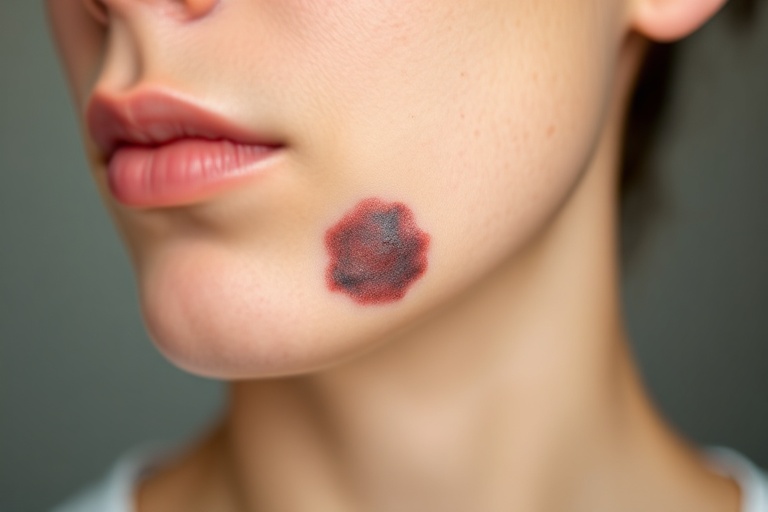
- B (Border): The edges are irregular, ragged, or blurred.
- C (Color): The mole has varying shades of brown, black, tan, red, white, or blue.
- D (Diameter): The spot is larger than 6 millimeters (about the size of a pencil eraser), though melanomas can be smaller.
- E (Evolving): The mole changes in size, shape, or color over time.
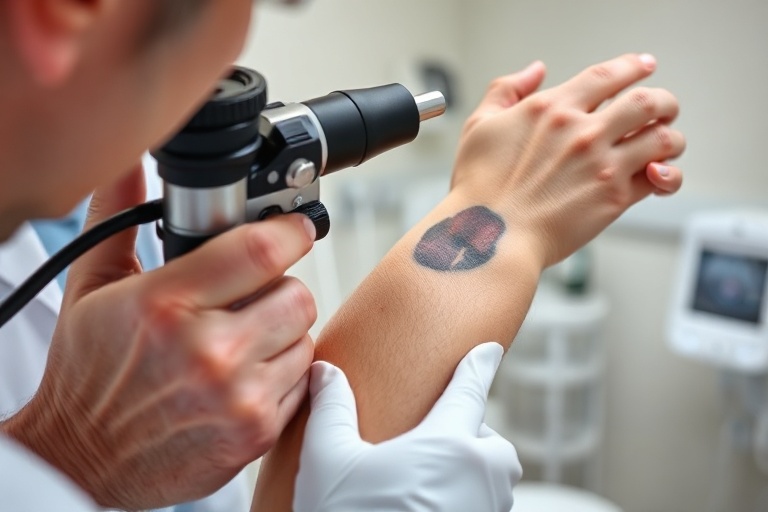
Regular self-examinations and professional skin checks are essential, especially for high-risk individuals. Dermatologists often use dermatoscopy—a handheld device that magnifies skin lesions—to assess suspicious moles more closely. In cases where melanoma is suspected, a biopsy is performed to confirm the diagnosis and determine the cancer’s stage.
The Broader Impact: Public Health and Economic Considerations
Melanoma places a substantial burden on healthcare systems worldwide. In the United States alone, the annual cost of treating melanoma exceeds $3.3 billion, according to the Centers for Disease Control and Prevention. This financial strain is compounded by the emotional toll on patients and families, particularly when melanoma is diagnosed at later stages requiring aggressive treatments like immunotherapy or targeted therapy.
The economic impact extends beyond direct medical costs. Lost productivity due to illness or caregiving responsibilities, as well as the long-term management of chronic conditions resulting from treatment side effects, further strain resources. Public health campaigns aimed at reducing UV exposure and promoting early detection have shown promise in mitigating these costs, but disparities in access to healthcare and education persist.
Moreover, melanoma’s prevalence among younger populations—particularly women aged 25 to 29—has prompted calls for stronger regulatory measures, such as bans on tanning beds for minors. Countries like Australia and Brazil have implemented such restrictions, contributing to a decline in melanoma rates among youth. These policy shifts reflect a growing recognition that prevention must be prioritized alongside treatment.
Prevention and Lifestyle: Taking Control of Your Risk
Preventing melanoma begins with minimizing UV exposure. The Skin Cancer Foundation recommends a multi-pronged approach:
- Seek Shade: Especially during peak sunlight hours (10 a.m. to 4 p.m.).
- Wear Protective Clothing: Long-sleeved shirts, wide-brimmed hats, and UV-blocking sunglasses provide effective barriers.
- Apply Broad-Spectrum Sunscreen: Use SPF 30 or higher and reapply every two hours, or immediately after swimming or sweating.
- Avoid Tanning Beds: Indoor tanning increases melanoma risk by up to 75%, according to the World Health Organization.
- Monitor Your Skin: Perform monthly self-exams and schedule annual professional skin checks if you’re at high risk.
For those with a history of sunburns or a family history of melanoma, proactive measures are even more critical. Genetic testing and regular dermatological consultations can provide tailored guidance, empowering individuals to take charge of their health.
Education plays a pivotal role in prevention. Schools, workplaces, and community organizations can disseminate information about safe sun practices, particularly in regions with high UV index levels. Social media campaigns and influencer collaborations have also proven effective in reaching younger audiences who may underestimate their risk.
Looking Ahead: Research and Hope on the Horizon
The landscape of melanoma treatment has evolved dramatically in recent years. Immunotherapy drugs like pembrolizumab and nivolumab, which harness the body’s immune system to attack cancer cells, have revolutionized care for advanced melanoma. Targeted therapies, such as BRAF and MEK inhibitors, offer options for patients with specific genetic mutations. Clinical trials continue to explore combination therapies and novel approaches, such as oncolytic virus therapy, which uses modified viruses to infect and kill cancer cells.
Researchers are also investigating the role of the microbiome in melanoma development and treatment response. Early studies suggest that gut bacteria may influence how the immune system reacts to melanoma, opening new avenues for therapeutic intervention. While these findings are preliminary, they underscore the potential of integrative approaches to cancer care.
Public awareness campaigns, like Melanoma Awareness Month in May, play a crucial role in driving progress. These initiatives not only raise funds for research but also foster a culture of prevention and early detection. Organizations such as the Melanoma Research Foundation and the American Academy of Dermatology provide resources, support, and advocacy for patients and families navigating a melanoma diagnosis.
Final Thoughts
Melanoma is a formidable adversary, but it is not invincible. Through a combination of science, policy, and personal responsibility, its impact can be reduced. For individuals, the message is clear: protect your skin, know your risk, and stay vigilant. For society, the challenge lies in closing gaps in healthcare access and ensuring that prevention resources reach those who need them most. The fight against melanoma is far from over, but with continued progress, it is a fight we are steadily winning.
For more information on skin health and related topics, explore our Health and Science sections.