Sequoia National Park: California’s Ancient Forest Wonder
“`html
Sequoia National Park: A California Treasure Worth Protecting
Nestled in the southern Sierra Nevada mountains, Sequoia National Park stands as one of California’s most breathtaking natural wonders. Established in 1890, it was the second U.S. national park created, just after Yellowstone. Today, it remains a vital sanctuary for biodiversity, ancient ecosystems, and some of the most impressive trees on Earth.
The park spans over 404,000 acres, offering visitors a blend of rugged wilderness and accessible adventure. From the towering giant sequoias of the Giant Forest to the dramatic vistas of Moro Rock, Sequoia’s landscape tells a story of geological time and ecological resilience. It’s a place where visitors can step into a living museum of nature’s grandeur.
The Legacy of the Giant Sequoias
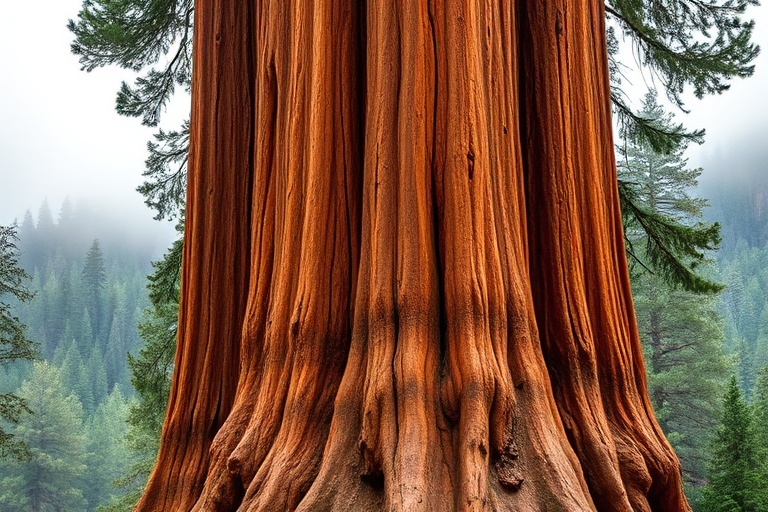
At the heart of Sequoia National Park lies the Giant Forest, home to over 2,000 giant sequoias—some of the largest living organisms on the planet. Among them, the General Sherman Tree holds the title of the most massive known single-stem tree by volume, with an estimated weight of 2.7 million pounds.
These ancient trees, some over 3,000 years old, have survived countless wildfires, droughts, and human encroachment. Their thick, fire-resistant bark and towering height have allowed them to endure where other species perish. Walking among them, visitors often feel a sense of awe and humility, confronted by the sheer scale of nature’s endurance.
The park’s sequoias are not just biological marvels; they are cultural symbols. Native American tribes, including the Western Mono people, have long revered these trees as sacred. Their oral traditions speak of the sequoias as living ancestors, a connection that underscores the deep relationship between people and the natural world.
Adventure and Accessibility in the Wild
Sequoia National Park offers a wide range of activities for outdoor enthusiasts. Hiking is, without question, the most popular way to explore its diverse terrain. The National Parks category on Dave’s Locker provides excellent resources for planning such trips. Trails like the Congress Trail and the Alta Peak Trail cater to both casual walkers and seasoned trekkers, delivering unparalleled views of the Sierra Nevada.
For those seeking a challenge, the High Sierra Trail is a multi-day trek that crosses the park from west to east, culminating at the Kern River Valley. The trail passes through alpine meadows, granite peaks, and dense forests, offering a true wilderness experience. Backpackers often describe the journey as transformative, a chance to disconnect from modern life and reconnect with the raw beauty of nature.
Beyond hiking, Sequoia offers opportunities for rock climbing, horseback riding, and even cave exploration. The Crystal Cave, a marble cavern adorned with stalactites and underground streams, provides a cool respite from the summer heat. Guided tours make it accessible to families and first-time visitors, ensuring that everyone can experience the park’s wonders.
Winter Magic in Sequoia
While summer draws the largest crowds, winter transforms Sequoia into a serene, snow-covered paradise. The Generals Highway, which connects Sequoia to Kings Canyon National Park, often closes due to snow, but the closure creates a unique opportunity for cross-country skiing and snowshoeing. The Giant Forest’s snow-laden branches add a magical quality to the landscape, making it a favorite for photographers and solitude-seekers.
The park’s winter operations focus on safety and conservation. Rangers work diligently to maintain access routes and educate visitors about avalanche risks. For those willing to brave the cold, Sequoia’s quiet beauty in winter offers an unforgettable experience.
Conservation Challenges and the Fight to Preserve Sequoia
Despite its protected status, Sequoia National Park faces significant threats. Climate change is altering the park’s delicate ecosystems, with warmer temperatures and prolonged droughts increasing the risk of wildfires. The 2020 Castle Fire burned nearly 1,700 acres of sequoia groves, a sobering reminder of the fragility of these ancient forests.
Invasive species, such as the sequoia pitch moth and white-nose syndrome in bats, also pose risks to the park’s biodiversity. Park rangers and scientists work tirelessly to monitor these threats, implementing strategies like controlled burns to reduce fire risk and protect sequoia habitats. These efforts are critical to ensuring that future generations can experience the same awe-inspiring landscapes we see today.
The park’s relationship with fire is particularly complex. While wildfires are natural and even beneficial for regenerating ecosystems, decades of fire suppression have led to an overgrowth of underbrush, creating conditions for more destructive fires. The National Park Service has shifted its approach, embracing the use of prescribed burns to mimic natural fire cycles and restore balance to the landscape.
Why Sequoia National Park Matters Today
Sequoia National Park is more than just a destination; it’s a vital component of California’s ecological and cultural heritage. Its ancient sequoias serve as a reminder of the planet’s deep history, while its diverse landscapes offer a sanctuary for wildlife and a playground for adventurers. In an era of rapid environmental change, the park stands as a testament to the importance of conservation and the need to protect our natural treasures.
Visitors to Sequoia often leave with a renewed sense of purpose. Whether it’s the quiet majesty of a single sequoia or the vast expanse of the High Sierra, the park has a way of putting life into perspective. It teaches resilience, humility, and the value of preserving wild spaces for future generations.
For those planning a visit, the park offers a variety of lodging options, from rustic cabins in the Giant Forest to campgrounds under the stars. Reservations are highly recommended, especially during peak seasons, to ensure a seamless and enjoyable experience. The Outdoor Adventures category on Dave’s Locker provides additional tips for making the most of your trip.
As we navigate the complexities of the 21st century, places like Sequoia National Park remind us of what is truly important. They are not just destinations but living testaments to the power of nature and the necessity of conservation. Whether you’re a hiker, a photographer, or simply someone in search of peace, Sequoia offers something unforgettable.
So, lace up your boots, pack your camera, and prepare to be inspired. Sequoia National Park awaits, ready to share its timeless beauty with those who seek it.