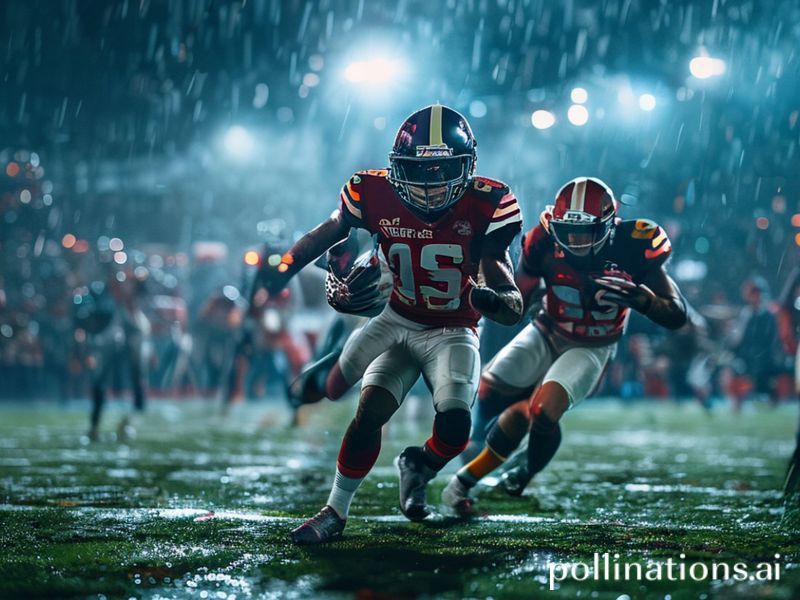
Football often serves as a microcosm for broader societal and geopolitical trends. When Oman and Nepal face each other on the pitch, the contrast in their football philosophies reflects deeper cultural and developmental narratives. Oman, with its structured youth academies and recent AFC Asian Cup success, represents a model of deliberate sports investment. Nepal, despite limited resources, embodies resilience and grassroots passion.
The two nations’ approaches to football development tell a story of aspiration versus pragmatism. Oman’s Football Association has systematically built infrastructure, while Nepal’s national team often relies on volunteer coaches and community-driven programs. These differences extend beyond wins and losses—they highlight how sport can serve as a tool for national identity and international recognition.
The Development Gap: Infrastructure and Investment
Oman’s football development strategy is built on long-term planning. The Oman Football Association (OFA) established the Oman Football Academy in 2014, a FIFA Forward-funded facility designed to nurture local talent from a young age. The academy provides education alongside football training, ensuring players develop both athletically and academically. This investment has paid dividends: Oman reached the knockout stages of the 2019 and 2023 AFC Asian Cups, a milestone that elevated the country’s global football profile.
Nepal, by contrast, operates with far fewer resources. The All Nepal Football Association (ANFA) manages the national team amid financial constraints and limited government support. Coaches often work without salaries, and players train on uneven pitches with minimal equipment. Despite these challenges, Nepal has produced standout talents like Bimal Gharti Magar and Ananta Tamang, who have gone on to play professionally in India and abroad. Their success underscores how passion can bridge developmental gaps.
The disparity in infrastructure is evident in FIFA rankings. As of mid-2024, Oman ranks 73rd globally, while Nepal sits at 175th. Yet, Nepal’s recent performances in South Asian tournaments—culminating in a 2021 SAFF Championship victory—demonstrate that progress is possible even without elite facilities.
Playing Style and Tactical Evolution
Oman’s national team plays a possession-based, high-pressing style under current coach Antonio Puche. This approach mirrors trends in European football and reflects Oman’s exposure to international coaching. The team prioritizes technical skill and tactical discipline, often dominating possession in regional competitions.
Nepal, meanwhile, leans on a more direct, physical style. With limited technical depth, the team frequently relies on set-pieces and counterattacks. This pragmatic approach maximizes their strengths—speed and physicality—while minimizing exposure to technical weaknesses. Despite the tactical limitations, Nepal’s style has proven effective in low-scoring matches, where a single goal can secure a historic result.
The contrast in playing styles speaks to broader philosophical differences. Oman’s football culture values refinement and consistency, while Nepal’s approach reflects adaptability within constraints. Neither style is inherently superior, but they reveal how football philosophy adapts to available resources.
Broader Implications: Football as a Tool for National Identity
Football serves as a powerful tool for national identity in both countries. In Oman, success on the pitch reinforces national pride and soft power. The 2023 Asian Cup campaign, where Oman nearly reached the quarterfinals, generated widespread enthusiasm and media coverage. Football has become a unifying force, transcending regional and tribal divisions.
In Nepal, football represents hope amid economic challenges. The national team’s 2021 SAFF Championship win sparked celebrations across the country, offering a rare moment of collective joy. Football clubs like Manang Marshyangdi and Three Star Club have become symbols of local pride, fostering community engagement in the absence of widespread professional leagues.
These narratives extend beyond the pitch. Oman uses football to project modernity and stability, while Nepal leverages the sport to foster resilience and unity. The global football community increasingly recognizes these roles, with initiatives like FIFA’s Forward Program supporting underdeveloped football nations.
Key Takeaways from Oman vs Nepal Football Rivalry
The matchups between Oman and Nepal highlight several key themes in contemporary football development:
- Structured investment vs grassroots passion: Oman’s top-down approach contrasts with Nepal’s bottom-up resilience.
- Tactical evolution: Oman embraces modern, possession-based football, while Nepal relies on pragmatism.
- Cultural representation: Football serves as a platform for national identity in both countries.
- Global recognition: Success on the pitch enhances international visibility and soft power.
Conclusion: Beyond Wins and Losses
The Oman vs Nepal football rivalry transcends mere competition. It reflects broader themes of development, identity, and aspiration. Oman’s structured approach offers a model for football growth, while Nepal’s grassroots resilience demonstrates how passion can overcome limitations.
Football, at its core, is a reflection of society. Oman’s progress signals a commitment to modernization, while Nepal’s achievements highlight the power of community-driven development. These narratives remind us that football is not just a game—it is a mirror to national ambition.
As both nations continue to evolve, their football journeys offer lessons for other developing football nations. Whether through investment or passion, the goal remains the same: to use football as a tool for progress and pride.
For more insights into football development and global sports trends, explore our Sports and Analysis sections.