Summer Solstice 2026: A Global Celebration of Light and Tradition
The summer solstice marks the longest day of the year in the Northern Hemisphere, a moment when the sun reaches its highest point in the sky. In 2026, this celestial event will occur on June 21 at 04:24 UTC, offering a rare opportunity to explore how cultures around the world honor the sun’s power. From ancient rituals to modern festivals, the solstice remains a time of renewal, reflection, and connection to nature.
Historically, the summer solstice has been a pivotal point in the calendar, influencing everything from agricultural cycles to spiritual practices. In Scandinavian countries, Midsummer celebrations blend folklore with vibrant traditions, while in the Americas, Indigenous communities continue to observe the solstice as a time of cultural significance. The 2026 solstice will be no different, providing a chance to reflect on humanity’s enduring relationship with the sun.
The Science Behind the Solstice
The summer solstice occurs due to the tilt of Earth’s axis. On this day, the Northern Hemisphere is angled closest to the sun, resulting in the maximum duration of daylight. In places like Reykjavik, Iceland, the sun barely sets, creating a phenomenon known as the midnight sun. Conversely, the Southern Hemisphere experiences its winter solstice, with shorter days and longer nights.
This astronomical event has fascinated scientists for centuries. Ancient civilizations, such as the Maya and Egyptians, built monuments like Chichen Itza and the Great Pyramid of Giza to align with the solstice sunrise or sunset. Today, astronomers and enthusiasts alike gather at these historic sites to witness the alignment firsthand. For those interested in celestial events, the solstice offers a perfect opportunity to explore the intersection of science and culture.
Cultural Traditions Around the World
The summer solstice is celebrated in diverse ways across the globe, each tradition reflecting the unique heritage of its people. In Sweden, Midsummer is a national holiday filled with flower crowns, maypole dancing, and feasts of pickled herring. Meanwhile, in Russia, the solstice coincides with Ivan Kupala Day, a festival of bonfires, wreath-floating, and searches for mythical ferns.
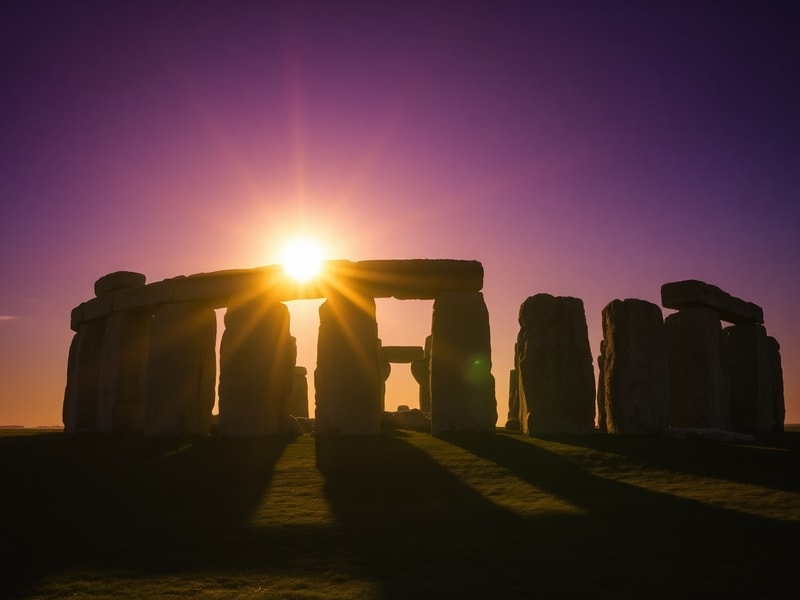
In North America, Indigenous communities such as the Lakota and Navajo hold ceremonies to honor the sun’s life-giving energy. These gatherings often include traditional dances, storytelling, and prayers for the coming seasons. In Europe, Stonehenge attracts thousands of visitors who gather to watch the sunrise align perfectly with the ancient stones—a tradition dating back millennia.
For a deeper look at how different cultures observe the solstice, consider exploring cultural festivals around the world. These events highlight the universal human connection to nature and the cycles of time.
Modern Celebrations and Festivals
In contemporary times, the summer solstice has evolved into a blend of ancient rituals and modern festivities. Music festivals like Sweden’s Midsommar and the UK’s Glastonbury often coincide with the solstice, drawing crowds eager to celebrate under the open sky. These events feature live performances, art installations, and communal gatherings that emphasize unity and creativity.
For those who prefer a quieter observance, many choose to mark the solstice with yoga sessions, meditation retreats, or simply spending time outdoors. The solstice’s energy is often associated with renewal, making it an ideal time for personal reflection or setting new intentions. Whether through dance, music, or solitude, people continue to find meaning in this timeless celestial event.
If you’re planning to attend a solstice festival in 2026, early preparation is key. Popular destinations like Stonehenge and Scandinavian Midsummer gatherings often require advance tickets and accommodations. For travel inspiration, check out destination guides to make the most of your solstice experience.
How to Celebrate the Solstice in 2026
Celebrating the summer solstice can be as simple or elaborate as you choose. Here are a few ideas to mark the occasion:
- Host a bonfire: Gather friends and family for a traditional bonfire, a practice found in cultures from Scandinavia to the Americas. Share stories, music, and food as the sun sets.
- Create a solstice altar: Decorate a space with flowers, crystals, and symbols of light to honor the sun’s energy. This can be a personal ritual or a group activity.
- Take a solstice hike: Many national parks and natural landmarks host guided solstice hikes. These offer a chance to connect with nature while witnessing the day’s extended light.
- Attend a festival: From music to dance, solstice festivals provide immersive experiences. Research local events or plan a trip to a renowned celebration.
The solstice is also an excellent time to reflect on the balance between light and dark in your own life. Whether through journaling, meditation, or creative expression, the day invites introspection and gratitude for the sun’s life-sustaining power.
A Moment of Connection in a Fast-Paced World
The summer solstice reminds us of the rhythms that govern our planet. In an era dominated by technology and constant connectivity, the solstice offers a chance to pause and reconnect with the natural world. It’s a reminder of the cycles that have shaped human history—cycles of planting, harvesting, and renewal.
As we look ahead to the solstice in 2026, we can anticipate a global tapestry of celebration, science, and tradition. Whether you’re watching the sunrise at Stonehenge, dancing around a maypole in Sweden, or simply enjoying a quiet moment in nature, the solstice invites us to slow down and appreciate the light.
The event also serves as a bridge between past and present. By participating in solstice traditions, we honor the wisdom of ancient cultures while creating new memories for future generations. It’s a testament to humanity’s enduring relationship with the sun—a relationship that transcends time and geography.
As the longest day of the year approaches, take a moment to consider how you’ll mark the occasion. Will you join a festival, create a personal ritual, or simply bask in the sunlight? Whatever you choose, let the solstice inspire you to embrace the light, both literally and metaphorically.