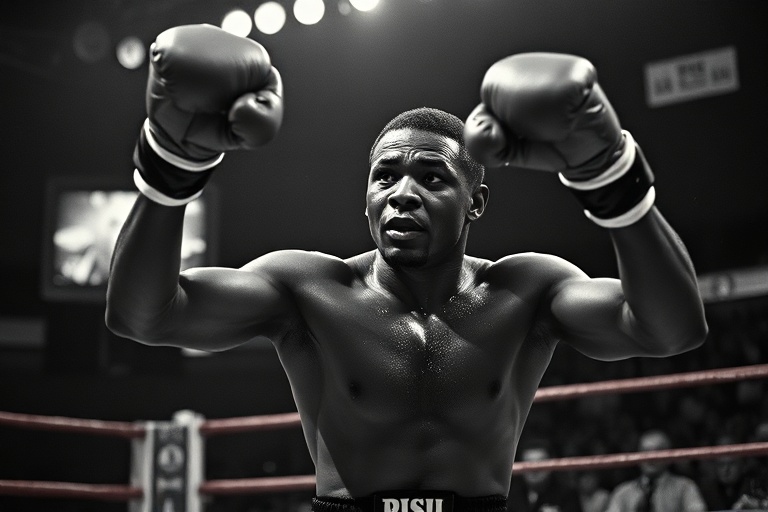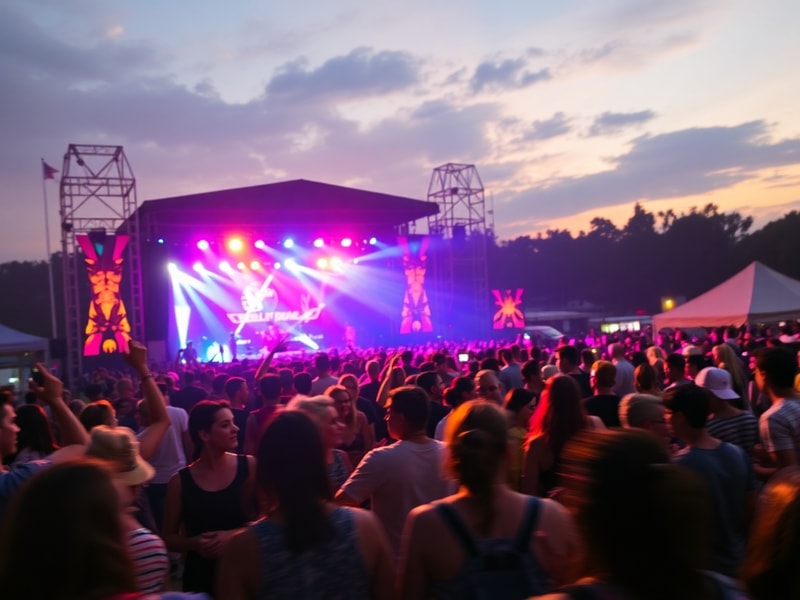
Events shape our collective memory, define cultural moments, and often alter the trajectory of industries. Whether they’re spontaneous gatherings or meticulously planned productions, these occurrences transcend mere happenings—they become touchstones for conversation, analysis, and sometimes even change. From the roar of a stadium crowd to the quiet buzz of a local art exhibit, events carry weight far beyond their immediate impact. They reflect societal values, technological shifts, and the evolving ways we connect with one another.
Beyond the Spotlight: The Anatomy of Modern Events
The difference between a forgettable event and one that lingers in public consciousness often comes down to intention. Today’s most compelling events balance accessibility with exclusivity, spontaneity with structure. Consider the rise of pop-up experiences—temporary installations that blend art, commerce, and social media appeal. Brands like Nike and Supreme have mastered this formula, turning retail spaces into cultural landmarks overnight. These aren’t just sales opportunities; they’re curated moments designed to generate organic buzz.
Physical presence still matters, but digital integration has redefined what an event can achieve. Livestreams, augmented reality filters, and interactive apps now extend an event’s reach far beyond its venue. Take Coachella’s annual livestreams, which draw millions of virtual attendees who wouldn’t otherwise make the trek to the desert. This hybrid model doesn’t just democratize access—it creates layered experiences where on-site and online audiences influence each other in real time.
Yet for all their innovation, events still rely on timeless human desires: belonging, curiosity, and the thrill of shared experience. The most successful ones tap into these instincts while leveraging modern tools to amplify their message.
From Local Gatherings to Global Phenomena: How Scale Changes Everything
Not every event aims for global reach, but even the smallest local festivals can ripple outward in unexpected ways. The Brooklyn Folk Festival, for instance, started as a grassroots celebration of indie music and has grown into a must-attend event for industry professionals scouting new talent. Its success illustrates how authenticity and community can scale organically—no corporate backing required.
Contrast that with events designed for mass appeal, like the Super Bowl halftime show. These productions are months in the making, with budgets that dwarf entire music careers. They’re spectacles by design, blending high-octane performances with cinematic production values. But their cultural footprint extends beyond the game. Halftime shows have launched careers (hello, Usher and Shakira), sparked controversies, and even influenced fashion trends. They’re a reminder that scale amplifies both opportunity and risk.
Scale also introduces logistical challenges. Managing crowds, ensuring safety, and maintaining quality across multiple locations demands coordination that borders on military precision. The logistics teams behind events like Tomorrowland or SXSW juggle permits, vendor contracts, and attendee expectations while troubleshooting issues in real time. Their work is invisible to most participants but critical to the event’s success.
What ties these vastly different examples together is purpose. Whether it’s a neighborhood block party or a multi-day music festival, every event serves a function—entertaining, educating, networking, or inspiring. The best ones do all of the above.
Technology’s Double-Edged Sword in Event Culture
Technology has transformed events from static occurrences into dynamic ecosystems. Ticketing platforms like Eventbrite and Ticketmaster have democratized access, while blockchain-based solutions like NFT tickets promise to combat fraud and resale scalping. On the attendee side, apps like Whova and Guidebook enhance networking by matching like-minded participants and providing personalized schedules.
But technology isn’t without its pitfalls. Over-reliance on digital tools can alienate audiences seeking genuine connection. Imagine attending a conference where attendees spend more time glued to their phones than engaging in conversations. The irony? We’ve built tools to connect us, only to use them to disconnect. Events must strike a balance—using technology to enhance experiences without letting it replace the human element.
Emerging trends like virtual reality (VR) and the metaverse are pushing this boundary even further. VR concerts, like those hosted by Wave or Fortnite, allow fans to attend performances from anywhere in the world—no travel required. These digital spaces are still in their infancy, but they hint at a future where physical and virtual events coexist seamlessly. The challenge will be ensuring these innovations don’t dilute the magic of being present in a shared space.
Another concern is data privacy. Events collect vast amounts of attendee data, from registration details to social media activity. While this information can personalize experiences, it also raises ethical questions. Who owns this data? How is it used? Events must prioritize transparency to maintain trust in an era of increasing scrutiny.
The Ripple Effect: How Events Shape Industries and Societies
Events don’t exist in a vacuum. They influence industries, shift cultural narratives, and sometimes even alter the course of history. The 1969 Woodstock Festival didn’t just define a generation of music—it became a symbol of counterculture and social change. Similarly, the 2016 Fyre Festival debacle didn’t just tank a single event; it exposed the dark side of influencer culture and raised questions about authenticity in marketing.
In business, events serve as launchpads for products, ideas, and careers. Apple’s product launches, for example, are meticulously choreographed spectacles that build anticipation and drive sales. These events aren’t just about showcasing technology; they’re about crafting a narrative that resonates with consumers’ aspirations.
Culturally, events can spotlight marginalized voices or challenge societal norms. The Sundance Film Festival has long been a platform for independent filmmakers to share stories that might otherwise go unheard. Meanwhile, Pride parades around the world celebrate LGBTQ+ communities while advocating for equality. These events don’t just reflect culture—they help shape it.
Even in the realm of science and education, events play a pivotal role. TED Talks have become a global phenomenon, spreading ideas that spark innovation and dialogue. These events distill complex topics into digestible, engaging formats, proving that knowledge-sharing can be as entertaining as it is enlightening.
The broader implications are clear: events are more than gatherings. They’re microcosms of societal trends, economic drivers, and cultural barometers. Their impact is felt long after the last attendee leaves the venue.
Key Takeaways for Event Organizers and Attendees
- Purpose First: Every successful event starts with a clear goal—whether it’s entertainment, education, networking, or advocacy. Without purpose, even the most elaborate production risks feeling hollow.
- Hybrid Experiences Are Here to Stay: The future of events lies in blending physical and digital elements. Attendees expect flexibility, and organizers must adapt to meet those expectations.
- Authenticity Matters: In a world saturated with content, audiences crave genuine connections. Events that prioritize real experiences over gimmicks will stand out.
- Technology Should Enhance, Not Replace: Tools like apps and VR can elevate events, but they shouldn’t replace human interaction. The best experiences balance innovation with intimacy.
- Ethics Can’t Be an Afterthought: From data privacy to inclusivity, events must address ethical considerations proactively. Transparency builds trust and fosters long-term engagement.
As we look ahead, the events industry will continue to evolve. Climate change, economic shifts, and technological advancements will all play a role in shaping what’s possible. But one thing is certain: the human need for connection and shared experience will endure. Whether it’s a local farmers’ market or a global concert series, events will remain a vital thread in the fabric of society.
The challenge for organizers is to innovate without losing sight of what makes events meaningful in the first place. For attendees, the opportunity is to seek out experiences that challenge, inspire, and connect us—not just as consumers, but as participants in something larger than ourselves.