The Legal Aftermath of Dustin Poirier’s Public Intoxication Charge
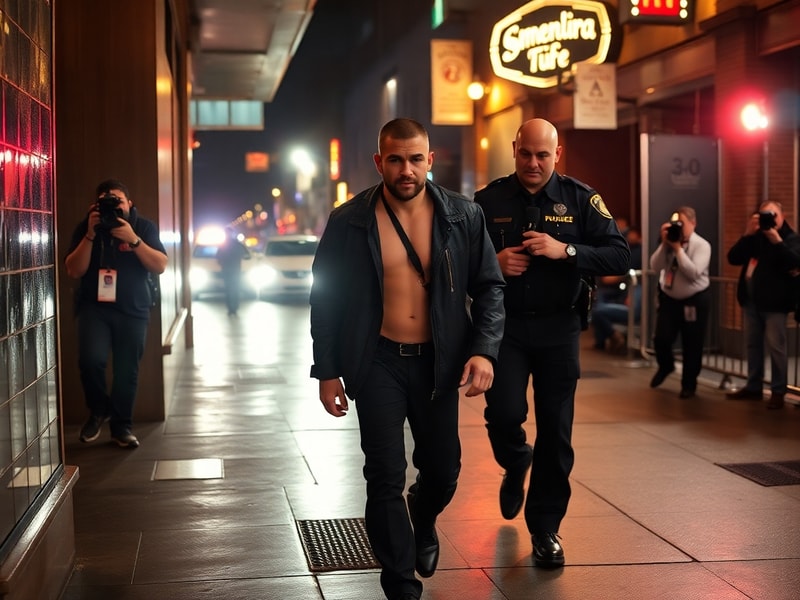
On a humid evening in Atlanta last June, Dustin Poirier found himself in the back of a police cruiser after a night out ended in an unexpected confrontation with law enforcement. The UFC contender, known for his relentless fighting style inside the Octagon, faced a public intoxication charge that quickly drew attention beyond the combat sports world. The incident raised questions about celebrity accountability, the blurred lines between public behavior and legal consequences, and how even high-profile figures are not exempt from local ordinances.
Poirier’s arrest occurred following a report of a disturbance outside a downtown Atlanta establishment. According to the police report, officers responded to a call about a man “acting erratically” and refusing to leave the premises. Bodycam footage later released showed Poirier, visibly intoxicated, arguing with officers before being detained. The charge, while misdemeanor-level, carried potential penalties including fines, community service, and even a short jail sentence—though Poirier avoided incarceration through a pretrial diversion program.
This wasn’t the first time Poirier’s post-fight celebrations made headlines. His reputation for high-energy antics has been well-documented, from his viral post-fight press conferences to his social media presence. But legal trouble, especially one involving public intoxication, presents a different kind of narrative—one where personal choices intersect with professional consequences. For a fighter whose brand relies on charisma and approachability, how does an incident like this affect his public image and sponsorship relationships?
Understanding Public Intoxication Laws in Georgia
Public intoxication laws vary significantly from state to state, and Georgia’s statute is particularly clear. According to Georgia Code § 16-11-41, a person can be charged if they are “in a state of intoxication caused by alcohol, drugs, or other substances” and are deemed a danger to themselves or others, or if they are interfering with traffic or pedestrian movement. Unlike DUI charges, which require operation of a vehicle, public intoxication focuses solely on behavior in a public space while under the influence.
In Poirier’s case, the key factor was whether his level of intoxication posed a risk to public safety. The police report noted that he was “slurring his speech” and “unsteady on his feet,” which likely contributed to the officers’ decision to detain him. While some may argue that celebrities deserve more leniency in such situations, the law applies equally to all individuals, regardless of fame. This incident serves as a reminder that legal consequences for public intoxication can be swift and unavoidable, even for those accustomed to living in the spotlight.
Georgia’s approach to public intoxication is not unique, but it is stricter than some states that require proof of imminent danger. In states like Nevada, for example, officers must demonstrate that a person is not only intoxicated but also likely to cause harm. This discrepancy highlights how local legal interpretations can shape outcomes in cases involving public figures.
The UFC’s Stance on Fighter Behavior
For organizations like the UFC, fighter conduct outside the cage is almost as scrutinized as performance inside it. The promotion has a history of addressing legal issues involving its athletes, from minor infractions to serious criminal charges. In Poirier’s case, the UFC issued a statement shortly after the incident, emphasizing that they take all matters of fighter conduct seriously but stopped short of announcing any disciplinary action.
Historically, the UFC has handled such situations on a case-by-case basis. For instance, when Conor McGregor faced charges related to a Dublin nightclub altercation in 2019, the UFC initially suspended him but later reinstated him following the resolution of legal proceedings. Similarly, Jon Jones’ legal troubles, including a felony hit-and-run charge in 2015, led to a brief suspension but no permanent damage to his career. These examples suggest that while the UFC does not tolerate reckless behavior, it also recognizes the difference between isolated incidents and patterns of misconduct.
For Poirier, who has been a mainstay in the UFC’s lightweight division for nearly a decade, the public intoxication charge presented a unique challenge. Unlike drug-related offenses or violent altercations, public intoxication is often viewed as a less severe infraction. However, the optics of a high-profile fighter being detained for alcohol-related behavior can still impact sponsorship deals and fan perception. Brands associated with Poirier, such as Reebok and Monster Energy, have historically aligned with athletes who project discipline and professionalism. An arrest, even for a misdemeanor, can prompt reevaluation from corporate partners.
How This Incident Compares to Other Fighter Legal Issues
Poirier’s case is part of a broader pattern of legal troubles among MMA fighters. A review of recent fighter-related arrests reveals a mix of charges, from DUIs to assault and drug possession. Unlike boxers or traditional athletes, MMA fighters often operate in a subculture where excessive partying and nightlife antics are normalized. This cultural acceptance can sometimes desensitize fighters to the legal risks of their behavior.
Here’s a breakdown of notable fighter legal cases in recent years:
- Conor McGregor (2019) – Charged with assault and criminal mischief after a melee in a Dublin nightclub. The case was later dismissed after he completed a community service program.
- Jon Jones (2015) – Arrested for felony hit-and-run and later pleaded to a misdemeanor charge. The UFC suspended him for a year but reinstated him after his legal issues were resolved.
- Greg Hardy (2014) – Charged with domestic violence, leading to a UFC suspension and eventual release from the promotion.
- Nate Diaz (2016) – Arrested for public intoxication and resisting arrest at a Nevada casino. The charges were dropped after he completed a diversion program.
Comparing these cases, a few patterns emerge. First, the UFC tends to impose penalties that align with the severity of the legal outcome rather than the arrest itself. Second, diversion programs—where charges are dismissed after completion—are a common resolution for non-violent offenses. Poirier’s case fits this mold, as he avoided a conviction by participating in a pretrial intervention initiative.
Another key factor is timing. Fighters often face legal scrutiny during high-profile periods, such as after a championship fight or during a promotional tour. Poirier’s arrest occurred during a break between fights, which may have mitigated some of the immediate fallout. Had this happened the night before a weigh-in or a press conference, the repercussions could have been far more damaging.
Rebuilding Trust and Moving Forward
For Poirier, the path forward involves more than just legal resolution. Rebuilding public trust requires a deliberate effort to reframe his image. While his fighting prowess remains unquestioned, the public intoxication charge introduced a layer of scrutiny that goes beyond the Octagon. Fans and media outlets will inevitably dissect his behavior, asking whether this was an isolated lapse in judgment or part of a larger pattern.
One strategy Poirier could employ is a more subdued public presence, at least temporarily. High-profile athletes often use social media to shape their narratives, but in cases like this, discretion might be the better part of valor. By focusing on training, community engagement, or even advocacy for responsible alcohol consumption, he can shift the conversation away from the incident itself.
Sponsorships will also play a critical role in his recovery. Companies that associate with athletes need to balance authenticity with risk management. Poirier’s existing partnerships may remain intact, especially if the brands he represents align with his rebellious, high-energy persona. However, any new deals could come with stricter clauses regarding public behavior, reflecting the growing trend of athlete endorsement contracts including morality clauses.
Ultimately, Poirier’s ability to move past this incident will depend on his next steps both inside and outside the cage. A strong performance in his next fight could help reclaim the narrative, while continued legal compliance will demonstrate a commitment to personal growth. The legal system has already dealt with this matter; now, it’s up to Poirier to address the court of public opinion.
For other fighters watching from the sidelines, Poirier’s case serves as a cautionary tale. The line between “just having fun” and legal liability is thinner than many realize. In an era where social media amplifies every misstep, the consequences of public behavior extend far beyond a night in jail. Responsibility, both personal and professional, has become an unavoidable part of life in the spotlight.