FIFA World Cup 2026 Standings: Format, Predictions and Implications
As the countdown begins for the FIFA World Cup 2026, anticipation is building across the globe. Set to expand to 48 teams and hosted jointly by the United States, Canada, and Mexico, this tournament promises to be unlike any before. With the inaugural matches still months away, the standings are already a topic of intense speculation among fans, analysts, and bookmakers alike. The introduction of more nations to the competition introduces new dynamics, reshaping traditional power structures and creating opportunities for underdog stories.
How the 2026 Standings Will Work
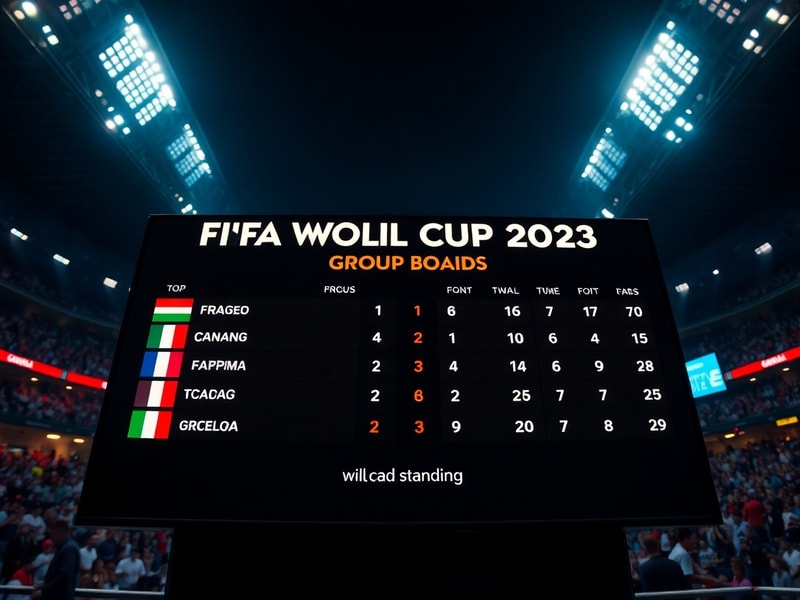
The expansion from 32 to 48 teams marks the most significant change to the World Cup format in decades. The new structure divides the field into 12 groups of four teams each, with the top two from every group advancing to a 32-team knockout stage. This format ensures more matches—48 in the group stage alone—and increases the chances for smaller footballing nations to compete on the biggest stage. The introduction of three host nations also guarantees their automatic qualification, adding an extra layer of intrigue to the early standings.
Under FIFA’s current ranking system, the top 11 teams and the three hosts are seeded into Pot 1 for the draw. The remaining 34 teams are distributed across Pots 2, 3, and 4 based on their FIFA rankings. This seeding will have a direct impact on group formation, potentially creating “groups of death” that could reshape early tournament narratives. For example, a top-seeded team like Brazil or France could find itself drawn against two strong unseeded sides, while lower-ranked teams might benefit from softer groupings early on.
Key Factors Shaping the 2026 Standings
Several factors will influence how the standings evolve as qualification progresses:
- New Qualification Paths: With more spots available, confederations like CONCACAF, CAF, and AFC are introducing new qualifying formats. For instance, CONCACAF now has six direct spots and two playoff berths, increasing the chances for nations like Jamaica or El Salvador to reach the finals.
- Youth and Managerial Changes: Several traditional powerhouses are undergoing transitions. England’s reliance on young talents like Jude Bellingham and Phil Foden, or Spain’s rebuilding phase under a new generation, could affect their seeding and performance.
- Historical Rivalries in New Groups: The expanded format means long-standing rivalries may collide in the group stage rather than later rounds. A clash between Argentina and Nigeria in the group phase, for example, would be an early blockbuster.
- Home Advantage for Hosts: The trio of co-hosts—USA, Canada, and Mexico—will play all their group matches within their borders, potentially boosting morale and fan support. This could translate into better performances and higher standings in the early rounds.
Early Predictions and Dark Horses
While traditional giants like Brazil, Germany, and Argentina remain favorites, the expanded field introduces fresh contenders. Morocco’s historic run to the semifinals in 2022 has established them as a legitimate threat, and their standing in 2026 will depend on squad continuity. Similarly, Japan and South Korea are investing heavily in youth development and tactical innovation, making them potential semifinalists.
On the European front, Italy’s resurgence under Luciano Spalletti and Belgium’s golden generation in its twilight years could see both nations vie for top spots. Meanwhile, African football continues to rise, with Senegal, Nigeria, and Ivory Coast all capable of deep runs. The expanded format means Africa could send as many as nine teams, increasing the likelihood of an African nation advancing deep into the tournament.
The unpredictability of the 2026 World Cup is part of its appeal. Unlike past tournaments where the standings were predictable after the group stage, the new structure ensures that upsets and surprises will be commonplace. A team finishing third in a group could still advance via the best third-place rule, adding a tactical layer that rewards consistency over outright dominance.
Broader Implications of the 2026 Standings
The standings in 2026 will do more than determine a champion—they will influence global football development for years. Nations that perform well could see increased investment, better youth programs, and stronger domestic leagues. Conversely, underperformance by traditional powers may accelerate calls for reform within their football federations.
For the host nations, strong showings in the group stage could solidify their positions as emerging football markets. The U.S. men’s national team, in particular, has struggled with consistency, but hosting the tournament could provide the catalyst needed to elevate its standing in CONCACAF and on the world stage. A deep run by the USA could redefine soccer’s place in American sports culture.
The expanded format also raises questions about the future of the World Cup. Will FIFA consider further expansion to 56 teams? How will the increase in matches affect player workload and tournament fatigue? These debates will begin in earnest after 2026, shaping the tournament’s evolution for decades to come.
One thing is certain: the 2026 standings will reflect more than just footballing talent. They will mirror the growing influence of new footballing regions, the challenges of balancing tradition with innovation, and the enduring power of the World Cup to unite the world through sport.
As qualification heats up and the draw approaches, fans around the world will begin to see the first glimpses of what promises to be a historic tournament. Whether it’s a veteran striker adding a final chapter to their career or a teenage prodigy announcing themselves on the biggest stage, the 2026 World Cup stands ready to deliver moments that will define football for a generation.